Physical Address
304 North Cardinal St.
Dorchester Center, MA 02124
Physical Address
304 North Cardinal St.
Dorchester Center, MA 02124

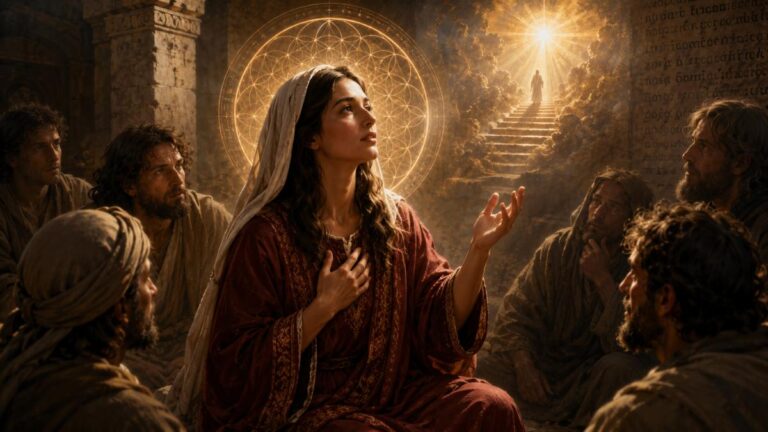
Most people carry a version of Mary Magdalene assembled for them by two thousand years of institutional curation: the forgiven sinner, the loyal mourner, the first witness at the empty tomb. It is a moving portrait. It is also a fraction of the story.
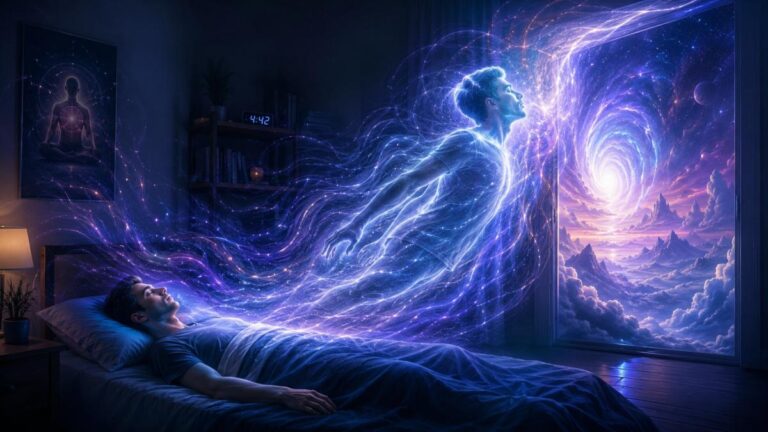
If you have read anything about astral projection, you have almost certainly come across the vibrational state, usually mentioned in passing as a curious sensation that shows up shortly before separation. What rarely gets said clearly is
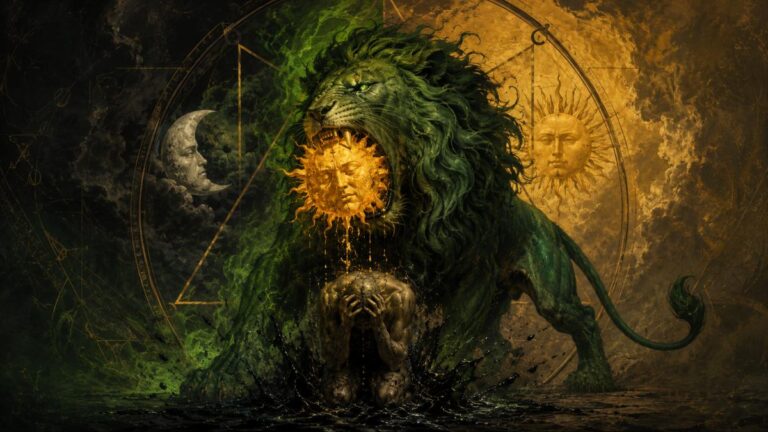
Shakespeare gave envy its most famous costume when Iago warned of the green-eyed monster. What almost nobody notices is that Renaissance occultists were already working with a green beast of their own, and theirs was not a warning. It was an instruction. In alchemical manuscripts from the same era, a green lion appears again and again, jaws locked around the sun, swallowing it whole. The image looks like catastrophe. The alchemists insisted it was the beginning of gold.
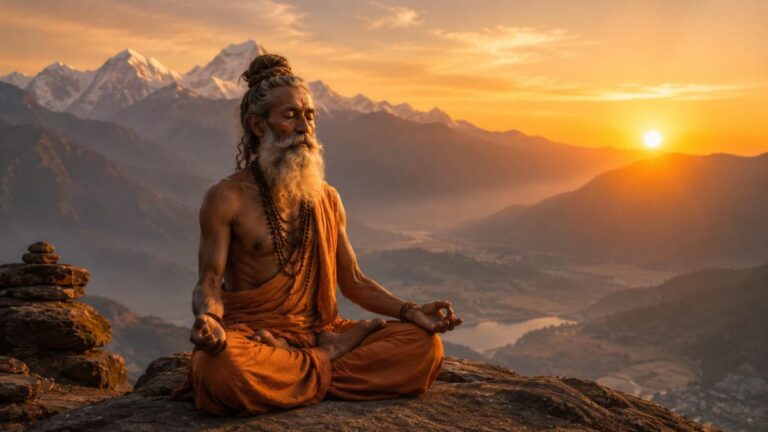
Open any meditation app and you will find the same promise repeated in soothing pastel tones: less stress, better sleep, a calmer commute. The pitch works. The global meditation apps market was valued at around 2.2 billion dollars in 2025 and continues to climb as millions of people reach for their phones to find a moment of peace.

Chronic pain has a way of shrinking a life. When discomfort lingers for months or years, it stops being a signal and becomes a resident, coloring sleep, mood, relationships, and the simple willingness to move through a day. For a long time the standard answers were pharmaceutical, and for a long time those answers carried a heavy cost. So it is worth paying close attention when a practice as old and as freely available as meditation turns out to hold up under rigorous scientific scrutiny.

You already own the vehicle you will use after death. That is the startling claim at the heart of both Theosophical and Rosicrucian teaching, and it turns the popular image of the astral body on its head. Most people who have heard the term at all think of it as a ghostly double, something you slip into for a night flight during an out of body experience. The older esoteric traditions saw it as something far more consequential: a subtle anatomy that records everything you are, carries the essence of your experience through death, and hands the blueprint to your next incarnation.

There is a moment familiar to anyone who has stepped inside a great cathedral, an ancient temple, or the shadow of the Giza plateau. The chatter of the mind quiets. The breath deepens without being asked to. Something in the body recognizes the space before the intellect has formed a single thought about it. We usually credit the silence, the scale, or the weight of history. But what if the recognition runs deeper than atmosphere?

Here is a puzzle that should bother anyone who takes the afterlife seriously. The world’s religions describe wildly different destinations after death. One promises a garden with rivers and companions. Another offers reunion with ancestors, or absorption into a formless absolute, or a throne room, or a wheel of rebirth.
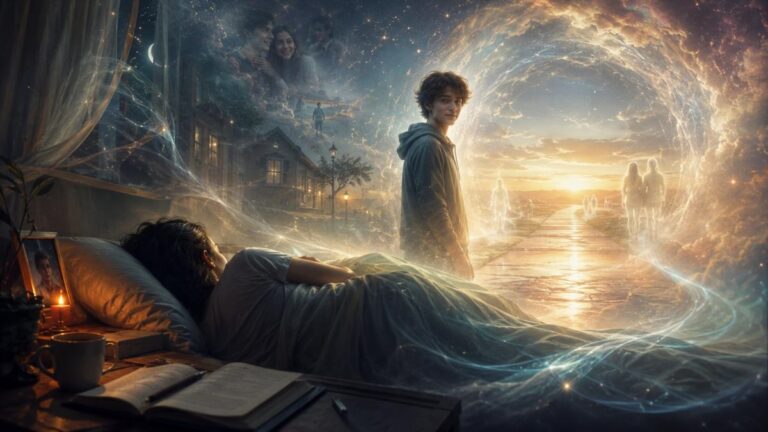
There is a particular kind of dream that refuses to fade by breakfast. You are standing in a kitchen, a street, a half-remembered house, and someone who died young is simply there. Not as a ghost. Not as a memory. Alive, ordinary, mid-sentence, as though the death never happened and you were the one who got the timeline wrong. You wake with your chest tight and a question you cannot quite shape into words.
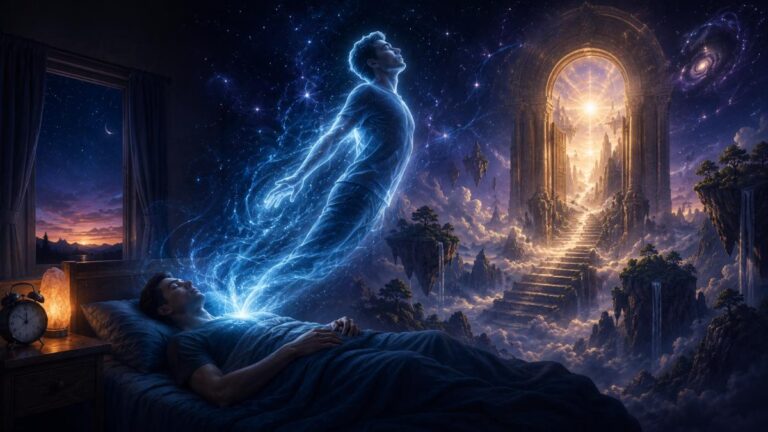
Wake Back to Bed, almost always shortened to WBTB, is the method that solves the....