Physical Address
304 North Cardinal St.
Dorchester Center, MA 02124
Physical Address
304 North Cardinal St.
Dorchester Center, MA 02124

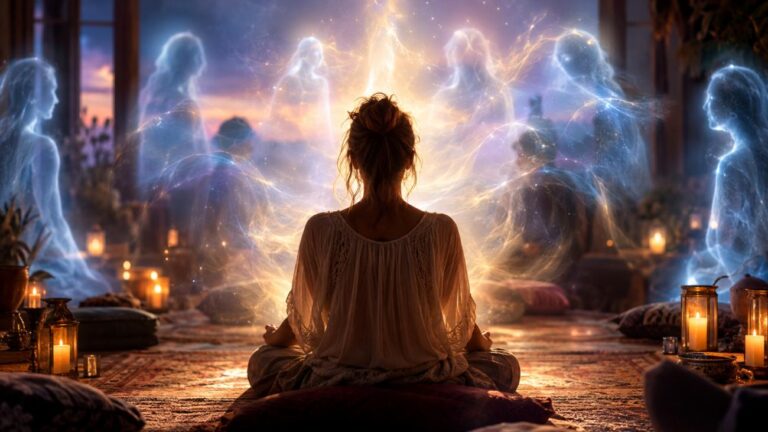
Ask ten developing mediums what sitting in the power is and you will likely hear ten different answers, several of them vague. Some will call it a type of meditation. Others will describe it as "opening up." It is one of those terms passed around development circles far more often than it is actually explained.

Many people who describe themselves as spiritually sensitive tell the same story. They grew up in a home that did not make sense. There was shouting, coldness or chaos, or love that was handed out on strict conditions. Years later...
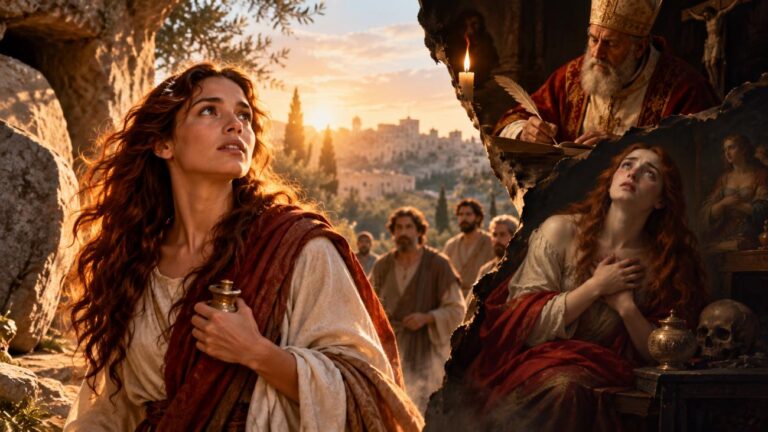
For fourteen centuries, most people in the Western world could tell you one thing about Mary Magdalene. She had been a prostitute. Painters gave her loose red hair, streaming tears, an ointment jar and sometimes a skull...
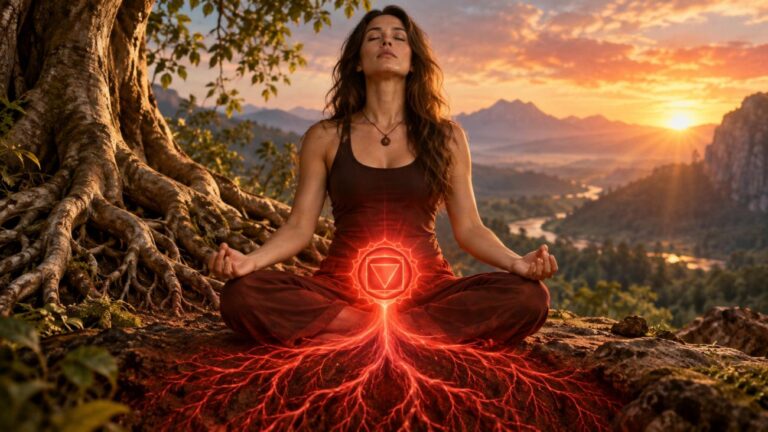
Most root chakra advice sounds the same. Stand barefoot on the grass. Picture red light at the base of your spine. Eat root vegetables. Repeat "I am safe" until you believe it...
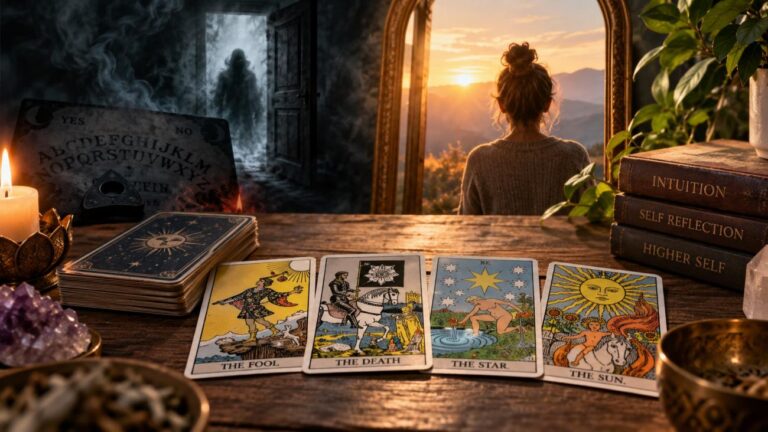
Ask a room full of people about tarot cards and you will get two completely different reactions. Half will treat the deck like a harmless journaling tool. The other half will refuse to have one in the house, convinced that a stack of illustrated cardboard is somehow a doorway to something dark. Both reactions usually come from the same place: nobody ever actually explained what tarot is, where it came from, or what makes it different from something that genuinely does carry risk, like a...
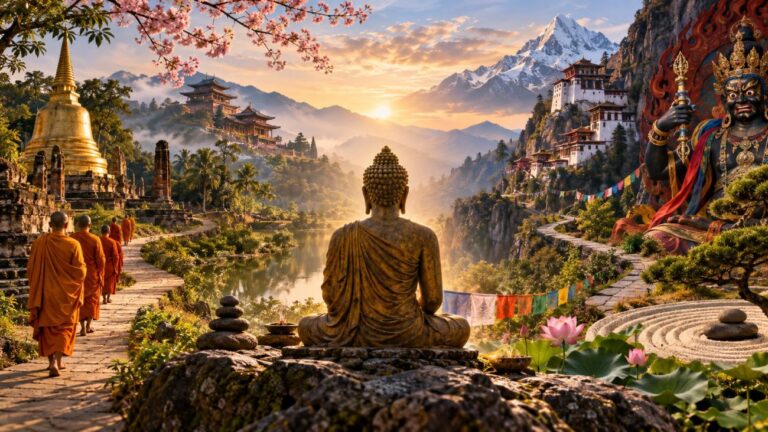
Ask most people in the West what Buddhism looks like and you will get a remarkably uniform picture: a robed figure, eyes half closed, sitting in serene stillness somewhere high and quiet. It is a lovely image, but it hides something far more interesting. Buddhism is not one voice. It is a conversation that has been running for about two and a half thousand years, and the participants have never fully agreed.
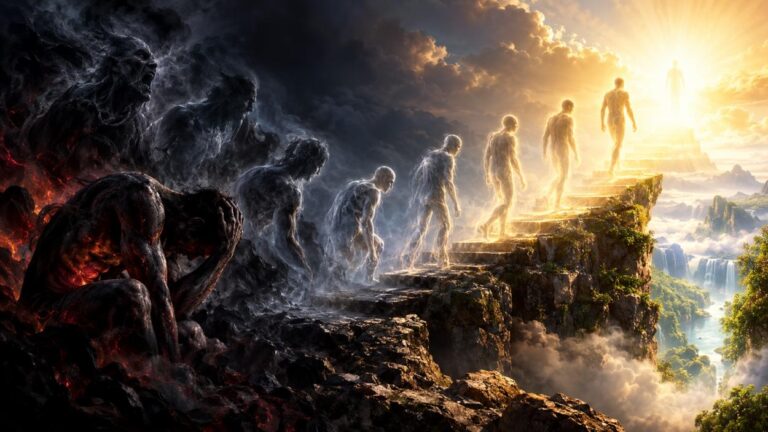
Most religious traditions treat demons as a lost cause. They are painted as a separate species of monster, locked into an eternal war against God, doomed to endless torment with no way out. It is a tidy, frightening picture, and it has shaped Western imagination for centuries.
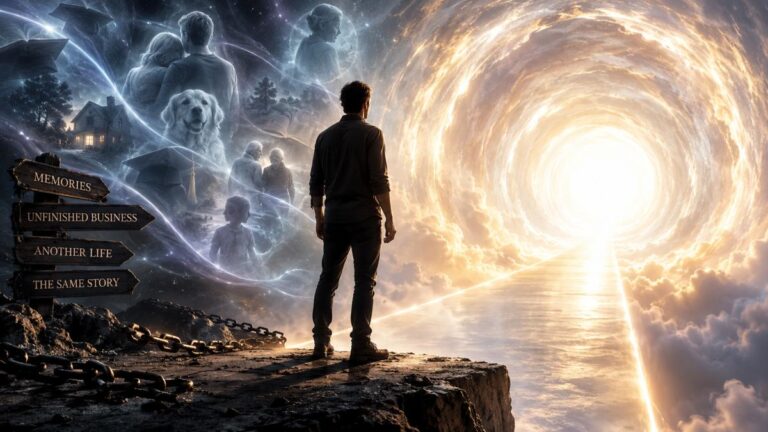
There is a version of the afterlife question that has been circulating for about thirty years now, and it goes like this. When you die, you will see a tunnel of light. Do not go into it. The light is a recycling mechanism. Walk toward it and you will be stripped of memory and pushed back into another body, another name, another eighty years of confusion.

There is a particular kind of grief that has nothing to do with the funeral or the paperwork. It shows up months later, at 3am, when a friend casually mentions that her mother came to her in a dream last week, and you realize with a small jolt that your own father, gone almost as long, has never once shown up in your sleep. You start to wonder if it means something about how he felt about you. It almost never does.
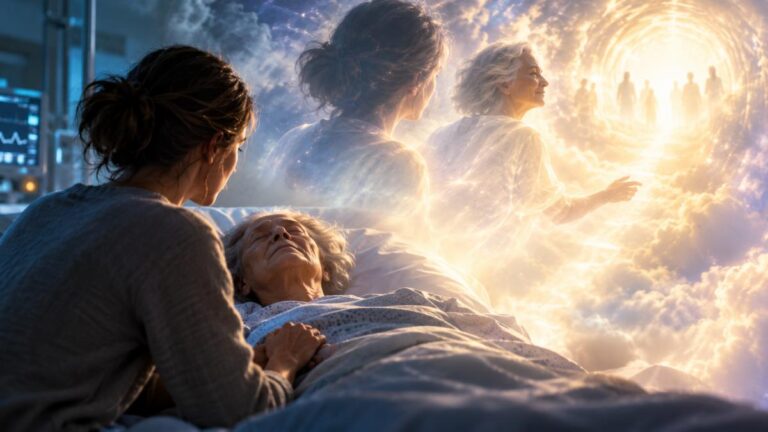
For decades, near-death experiences have made their way into mainstream conversation. Tunnels of light, out-of-body moments, a sense of overwhelming peace, these accounts are familiar enough that most people have heard at least one version of the story. But there's a quieter, stranger cousin to the near-death experience that has only recently started getting serious attention: the shared death experience, or SDE.