Physical Address
304 North Cardinal St.
Dorchester Center, MA 02124
Physical Address
304 North Cardinal St.
Dorchester Center, MA 02124

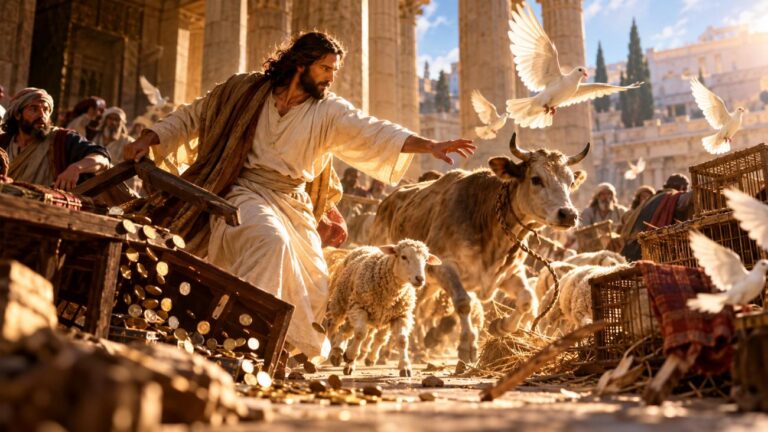
Some films entertain you for an evening. Others follow you around for weeks. Christspiracy: The Spirituality Secret belongs firmly in the second group. It asks a question so simple that most of us have never thought to ask it, and then it refuses to let us look away from the answer.

If you have spent any time sitting in stillness, watching thoughts rise and pass without grabbing onto them, you already know something that most Reiki students take years to arrive at. The witness behind the mind and the energy that moves through the body are not separate projects.

There is a specific kind of tiredness that comes from spending all day inside your own head. The problems repeat, the plans loop, the inner narrator never stops commentating. Most of us reach for another screen to drown it out, and the screen makes the narrator louder. What a growing body of research suggests...
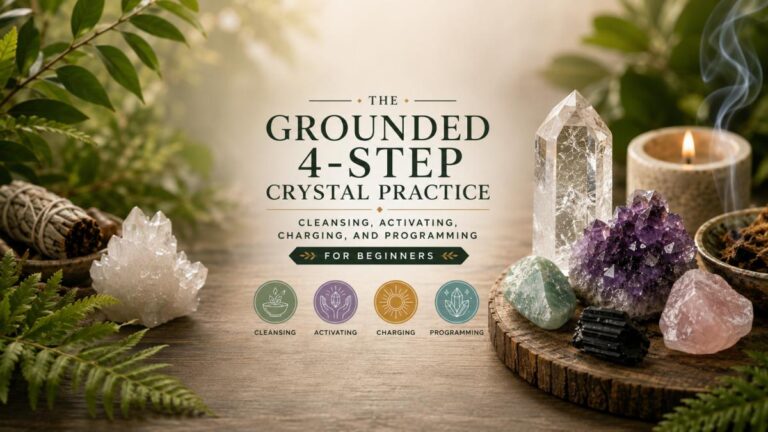
Long before crystals showed up on wellness influencers' desks, they were already part of daily life across the ancient world. The Egyptians, the Sumerians, the Greeks, practitioners of traditional Chinese medicine, and early Ayurvedic healers all worked with stones and minerals as tools for balance and support....

Every few months a video surfaces in which someone describes practising Trauma Release Exercises for a year or two and reports back on what changed. The view counts on these are wildly out of proportion to the size of the practice itself. That gap tells you something worth noticing. A very large number of people have quietly concluded that whatever is wrong with them is not going to be reached by talking about it, and they are looking for a door that opens from the body's side.
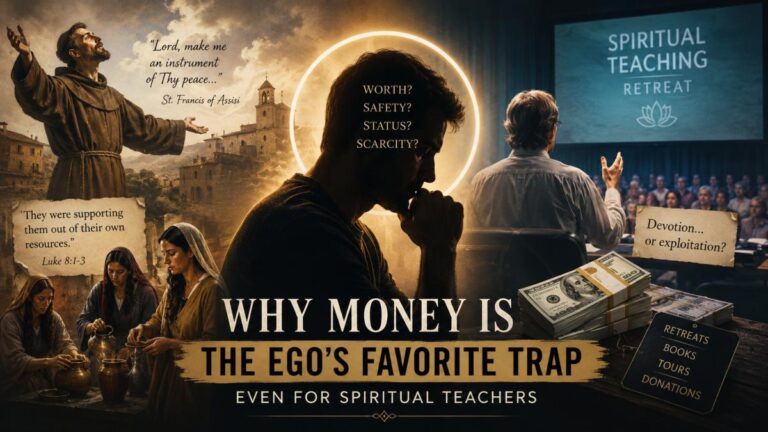
Few subjects unravel a person's composure faster than money. Ask someone about their childhood and they might stay calm. Mention their ex. Mention politics. But bring up an unexpected bill, a friend who charged "too much," or a guru who asks for a fee, and something older than reason tends to flare up.

There is a moment, usually about forty seconds into a genuine act of forgiveness, when something in the chest drops. Not metaphorically. Physically. The breath goes lower, the shoulders come down half an inch, and the low hum you had stopped noticing goes quiet...

There is a question that sits underneath almost every account of transformation, whether the language used is spiritual, therapeutic, or purely clinical: how does a single experience leave a mark that outlives itself?
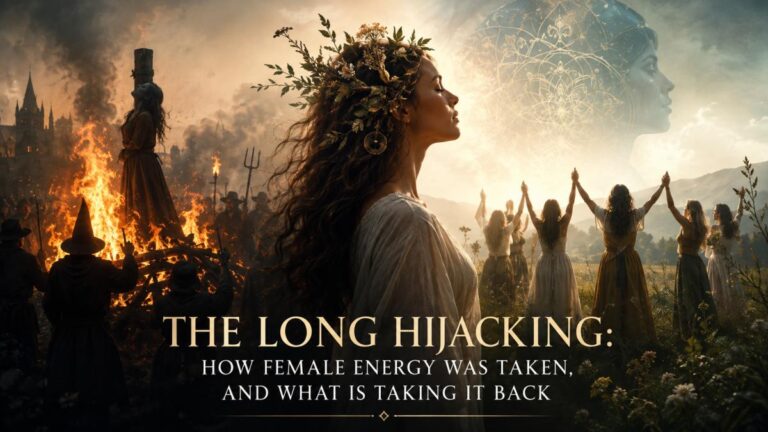
Read the human record end to end and it does not read like the story of a wise species. It reads like a case file. Chronic delusion, cyclical violence, a compulsive hunger for dominance that never once resolved into satisfaction. Eckhart Tolle's diagnosis in A New Earth is that this is not metaphor. It is literal collective mental illness, and its engine is the ego, the mind-made self that can only sustain itself through separation.

There is a particular kind of exhaustion that comes from being told nothing is wrong with you. You have had the scans. You have seen the specialists, and some of them disagreed with each other, and none of them could name the thing that has been living in your lower back or your neck or your gut for the past three years. The muscle is hard. You can feel it. Your physiotherapist can feel it. And yet the imaging comes back clean, and you leave the appointment carrying the strange humiliation of a body that hurts without permission.