Physical Address
304 North Cardinal St.
Dorchester Center, MA 02124
Physical Address
304 North Cardinal St.
Dorchester Center, MA 02124

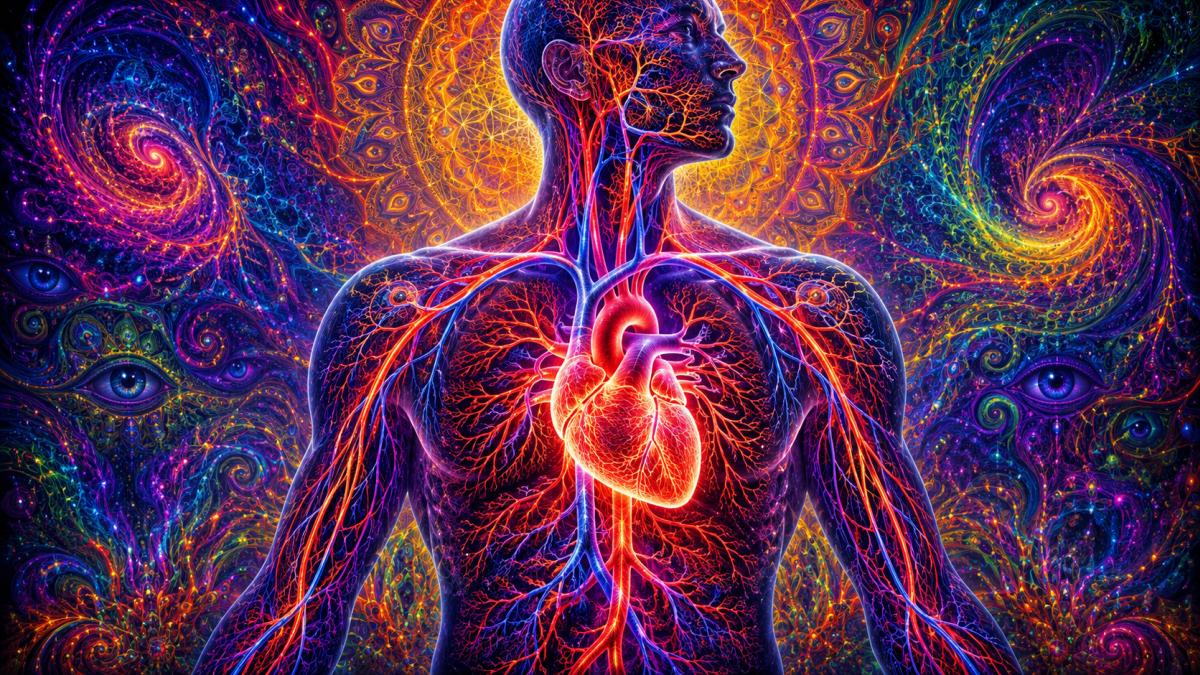
The conversation around psilocybin mushrooms has never been richer. Clinical trials are delivering remarkable results for depression, PTSD, and end-of-life anxiety. Spiritual communities around the world are rediscovering what indigenous traditions have known for thousands of years. Microdosing has entered mainstream wellness culture. And a growing wave of legal reform is making access to these experiences more possible than at any time in the modern era.
The conversation around psilocybin mushrooms has never been richer. Clinical trials are delivering remarkable results for depression, PTSD, and end-of-life anxiety. Spiritual communities around the world are rediscovering what indigenous traditions have known for thousands of years. Microdosing has entered mainstream wellness culture. And a growing wave of legal reform is making access to these experiences more possible than at any time in the modern era.
Yet in the enthusiasm surrounding this psychedelic renaissance, one conversation is almost entirely absent. While researchers, therapists, guides, and plant medicine advocates discuss set, setting, integration, dosing, and intention at length, very few are talking about what psilocybin does to the cardiovascular system. For the majority of healthy adults, this is a manageable and temporary physiological response. For a significant subset of the population, however, it represents a genuine risk that deserves honest, clear, and compassionate discussion.
This article is that conversation.
Psilocybin is primarily understood through its action on the brain, particularly its binding to serotonin 5-HT2A receptors, which underlies its profound effects on perception, emotion, and consciousness. What is less widely discussed is that this same receptor activity triggers a broader sympathomimetic response throughout the body, meaning it activates the sympathetic nervous system, the branch responsible for the classic fight-or-flight stress response.
The practical result is a measurable and dose-dependent increase in both blood pressure and heart rate. This is not a rare reaction or an individual sensitivity. It is a predictable physiological response documented across clinical research. A safety pharmacology study published in ScienceDirect found that hypertension, defined as systolic blood pressure above 140 mmHg, was observed in fully 50% of psilocybin administrations across its participant pool. That is not a minor or exceptional finding. It is a baseline expectation.
At a standard threshold or moderate dose, which most experienced practitioners would describe as somewhere between one and two grams of dried mushrooms, the cardiovascular response is real and measurable. Blood pressure can rise by a clinically significant margin. Heart rate increases. Body temperature may elevate slightly. Pupils dilate. These responses are transient in healthy individuals, resolving as the experience progresses and the sympathetic activation subsides. But transient does not mean trivial, and it certainly does not mean safe for everyone.
Hypertension, or persistently elevated blood pressure, affects a staggering number of people globally. According to the WHO hypertension fact sheet, an estimated 1.4 billion adults aged 30 to 79 worldwide currently live with hypertension, and critically, around 44% of them are completely unaware they have the condition. Many of those people are precisely the demographic drawn to plant medicine exploration: middle-aged adults carrying chronic stress, seeking relief from anxiety or depression, or pursuing deeper spiritual inquiry after years of conventional approaches falling short.
Here is the concern. When blood pressure is already elevated at baseline, even well-managed and medicated, a psilocybin-induced sympathetic surge adds to a system that has less reserve to absorb it. The vessels are already under strain. The cardiovascular system is already working harder than it should. A meaningful spike during a journey does not simply feel uncomfortable, it can push blood pressure into ranges that carry real risk of cardiovascular event, including hypertensive crisis, which is characterised by blood pressure readings above 180/120 and which can lead to stroke, heart attack, or damage to the kidneys and eyes.
This is not a reason to close the door entirely on plant medicine for people with hypertension. It is a reason to open the conversation with a cardiologist first, to ensure blood pressure is genuinely well-controlled, and to approach dosing with considerably more caution than a healthy individual might.
Beyond blood pressure, there is a second cardiovascular concern that receives almost no attention in plant medicine circles: myocarditis, which is inflammation of the heart muscle itself.
Myocarditis can arise from viral infections, autoimmune conditions, or certain medications and substances. In many cases it resolves without the individual ever knowing it occurred. In some cases it leaves lasting damage to the heart muscle. And critically, it can be entirely asymptomatic, meaning a person can have active or recent myocarditis without any obvious symptoms at all.
The risk is this: an inflamed heart muscle is a compromised heart muscle. It has reduced capacity to respond to the additional demands placed on it by sympathetic activation. When psilocybin triggers an increase in heart rate and blood pressure, a healthy heart absorbs that demand comfortably. An inflamed heart may not.
A 2023 Mayo Clinic review on exercise after acute myocarditis notes that patients are typically advised to abstain from physical exertion for three to six months following diagnosis, precisely because the inflammatory state creates dangerous vulnerability to arrhythmia and sudden cardiac events under cardiovascular stress. While psilocybin is not physical exercise, the sympathomimetic activation it produces places comparable demand on a heart that may not be equipped to handle it.
For people who have recently had COVID-19, influenza, or any significant viral illness, the possibility of subclinical myocarditis is worth taking seriously before embarking on a psilocybin journey. For anyone with a history of cardiac inflammation or any diagnosed heart condition, a conversation with a cardiologist is not optional, it is essential.
One of the most dangerous cardiovascular scenarios in the plant medicine world involves the combination of psilocybin with monoamine oxidase inhibitors, commonly known as MAOIs.
MAOIs are found in several plant medicines that overlap with psilocybin circles. Ayahuasca, for example, contains a potent MAOI in the form of the Banisteriopsis caapi vine. Syrian rue is another MAOI source used in some neo-shamanic practices. Certain antidepressants also belong to the MAOI class.
The dangers of this combination are no longer theoretical. A Cleveland Clinic case report published in November 2025 documented what may be the first formally published hypertensive emergency arising from psilocybin mushrooms combined with an MAOI. A 42-year-old man taking the MAOI tranylcypromine consumed just one gram of Psilocybe cubensis and developed severe hypertension with chest pain, palpitations, and headache within thirty minutes. His blood pressure reached 220/140 mmHg. He was diagnosed with a myocardial infarction and required emergency cardiac catheterisation.
The researchers identified phenylethylamine, a trace compound with amphetamine-like activity found in Psilocybe cubensis, as the likely driver of the crisis when combined with the MAOI. The implications are significant. Anyone who is currently taking antidepressants, participating in ayahuasca ceremonies, or working with other plant medicines should research MAOI interactions thoroughly before considering psilocybin. The effects of this combination can be life-threatening.
Sit with this for a moment. The plant medicine community speaks at great length about psychological preparation. Integration circles, breath work, somatic grounding, the importance of a trusted guide, the value of silence and nature, the necessity of surrender. These are all genuinely important. And yet the physical preparation conversation, beyond basic reminders to avoid mixing with SSRIs, is largely absent.
Part of this is cultural. The psychedelic renaissance has emerged partly as a reaction against overly medicalised, fearful frameworks around these substances. There is a real and understandable desire to reclaim plant medicine from the clinical setting and restore it to its sacred, personal, and communal roots. But in the process, some genuinely important physical safety information has been left by the wayside.
Part of it is also the demographics of who has traditionally led this conversation. Younger, healthy practitioners and advocates, for whom the cardiovascular response is simply part of the journey, have not had reason to think carefully about the experience of someone whose heart and vascular system are already under strain.
None of this is intended to inspire fear. Psilocybin has an extraordinary safety profile compared to most recreational substances, and its therapeutic and spiritual potential is well-supported by a rapidly growing body of evidence. The Johns Hopkins Centre for Psychedelic and Consciousness Research has done more than almost any other institution to establish both the safety and the profound efficacy of psilocybin-assisted therapy in controlled settings.
The point is simply that honest preparation includes honest physical self-assessment. Before any journey, regardless of dose, the following questions are worth sitting with:
Do you have diagnosed or suspected hypertension, even well-controlled? Have you had a significant viral illness in the past three to six months? Do you have any history of cardiac conditions, arrhythmia, or heart inflammation? Are you currently taking any MAOI-class medication or participating in any plant medicine practice that involves MAOIs? Do you know your current resting blood pressure?
If the answer to any of these is yes, the path forward is not necessarily closed. It is simply one that requires more information, more care, and ideally a conversation with a physician who is open to discussing plant medicine in a non-judgmental context.
The psychedelic renaissance is one of the most important developments in modern consciousness research and mental healthcare. Part of ensuring it endures, and that it earns the trust it deserves, is being willing to have the conversations that are uncomfortable or inconvenient. Cardiovascular safety is one of those conversations. It is time it became a standard part of how we prepare people for these experiences.
This article is for informational purposes only and does not constitute medical advice. Always consult a qualified healthcare professional before using any psychoactive substance, particularly if you have a pre-existing medical condition.