Physical Address
304 North Cardinal St.
Dorchester Center, MA 02124
Physical Address
304 North Cardinal St.
Dorchester Center, MA 02124

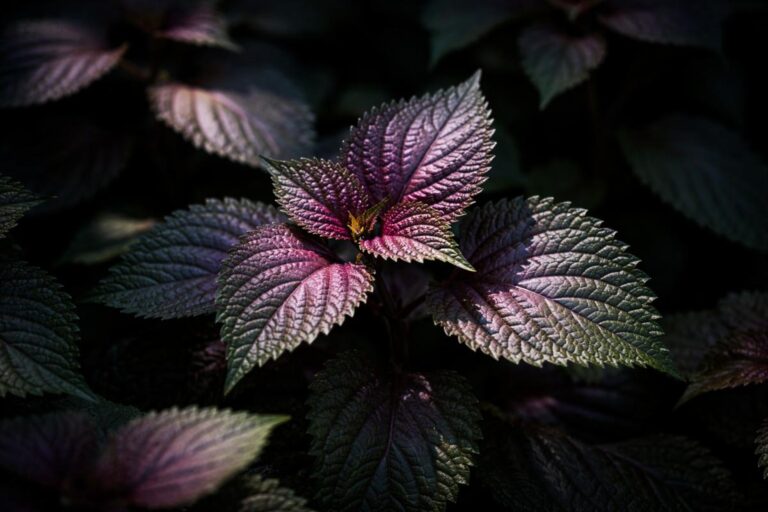
There is a leafy herb growing across Asia right now that contains up to 64% alpha-linolenic acid in its pressed seed oil. That is the highest concentration of plant-based omega-3 fatty acids ever measured in any species. It self-seeds aggressively, requires almost no maintenance, and has been feeding and healing communities continuously for over two thousand years. Its name is perilla. And if you live in the Western world, there is a very good chance you have never once heard of it.
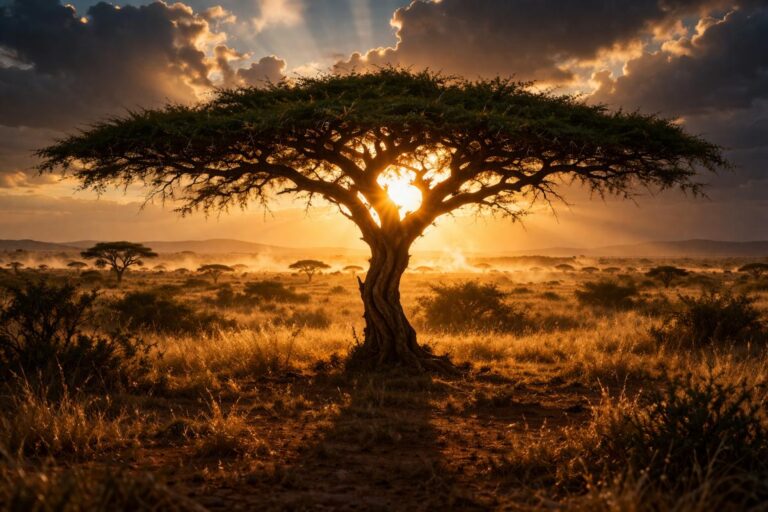
Across the sun-baked savannas and dry woodlands of Africa, a thorny, flat-topped tree grows in conditions that would defeat most other plants. Rooted in cracked, mineral-poor soil and enduring months of drought without complaint, Acacia nilotica, commonly known as the African thorn tree, babool tree, or gum arabic tree, has served as one of the most medicinally rich plants on the continent for thousands of years. Its bark, seeds, leaves, pods, and gum have been used by traditional healers across East Africa, the Sahel, and the Indian subcontinent to address conditions as varied as Type 2 diabetes, stomach ulcers, slow-healing wounds, HPV, and even cancer progression.
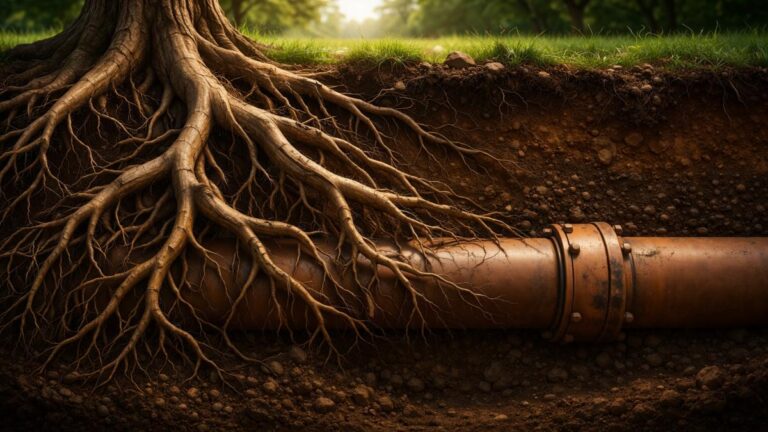
There is a TikTok clip doing the rounds from Hulkroganclips that stops you cold mid-scroll. A researcher calmly explains that plants do not just passively absorb sunlight and water. They have twenty distinct senses. They hear predators approaching. Their roots navigate mazes to reach fertiliser. They remember. They can be rendered unconscious. If that sounds like science fiction layered over spirituality, the remarkable thing is that it is neither. It is peer-reviewed biology, and it is turning our understanding of consciousness inside out.
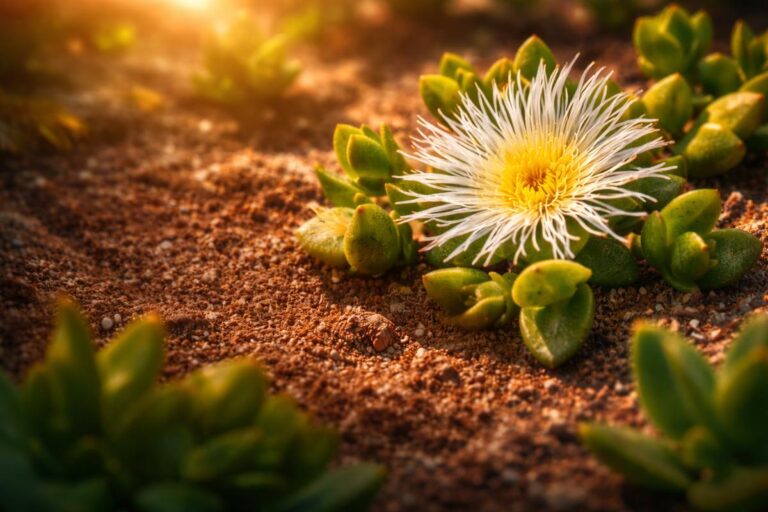
Sceletium tortuosum has been quietly growing in the rocky soils of Namaqualand and the Karoo for millennia, chewed by San hunter-gatherers before long hunts and traded by the Khoikhoi as a plant of extraordinary value. Today, renewed scientific interest and a global wave of curiosity around microdosing are converging on this small South African succulent in a way that feels less like a trend and more like a remembering.
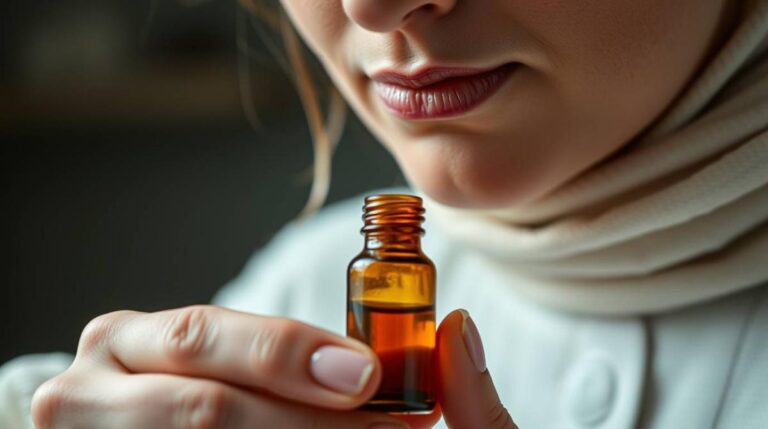
There is something quietly profound about making your own medicine. You gather a plant, immerse it in a solvent, and wait. Over weeks, the liquid slowly pulls out the plant's active compounds, its resins, alkaloids, and volatile oils, concentrating them into a few potent drops. Long before the pharmacy existed, herbalists understood that plants hold intelligence. A tincture is simply one of the most reliable ways to unlock it.
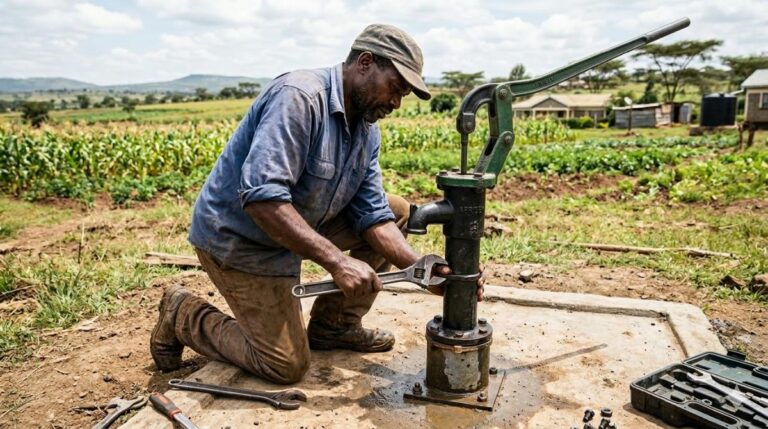
There is something deeply satisfying about sourcing your own water straight from the earth beneath your feet. Whether you are building toward greater self-sufficiency, preparing for emergencies, or simply want a free and reliable water source for your garden and livestock, installing your own sandpoint well is one of the most rewarding projects you can take on. The best part? You do not need heavy machinery, a professional driller, or a massive budget. With a few basic tools, some determination, and a free afternoon, you can have water flowing from the ground by the end of the day.
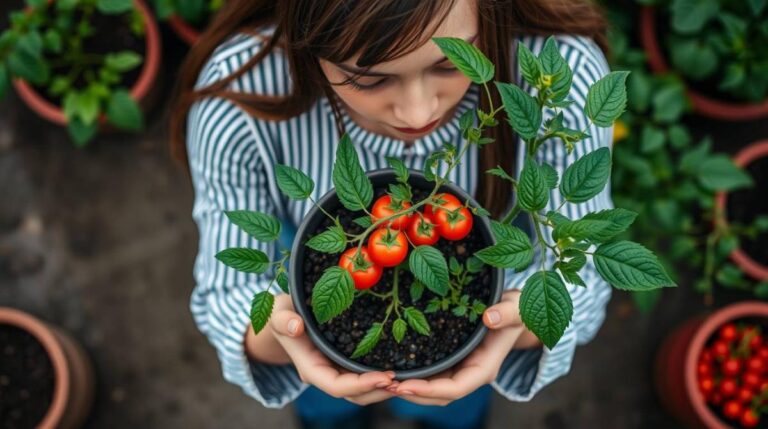
Somewhere along the way, growing food became complicated. We started believing it required land, raised beds, a greenhouse, a composting system, a PhD in horticulture, or at the very least a sprawling backyard and a lot of free time. The truth is quieter and far more accessible than that. It starts with one pot. One container, one seed, one small act of reconnection with the earth. That is all it takes to begin.

There is a kind of knowing that arrives before the evidence does. Sensitives feel it first. Seers name it. And eventually, the world catches up. Right now, that knowing is impossible to ignore, and channeler and psychic Gaia Sophia is one of many voices in the conscious community saying plainly what many of us are already quietly feeling: something large is shifting, and it is asking everything of us.

We are living through a paradox. The United States spends more on healthcare than any nation in history, yet chronic disease is skyrocketing, autoimmune disorders are everywhere, cancer rates are rising in younger and younger populations, and depression and anxiety have become so common they barely register as warnings anymore. Something is deeply wrong with a model that keeps people sick while calling it care.

Anyone who has quit smoking knows the immediate consequence: weight gain. Within weeks of stubbing out that final cigarette, the scale begins its relentless climb upward. But why does this happen? The answer lies in nicotine's profound and surprisingly sophisticated influence on human metabolism, a biological relationship that extends far beyond simple appetite suppression.