Physical Address
304 North Cardinal St.
Dorchester Center, MA 02124
Physical Address
304 North Cardinal St.
Dorchester Center, MA 02124

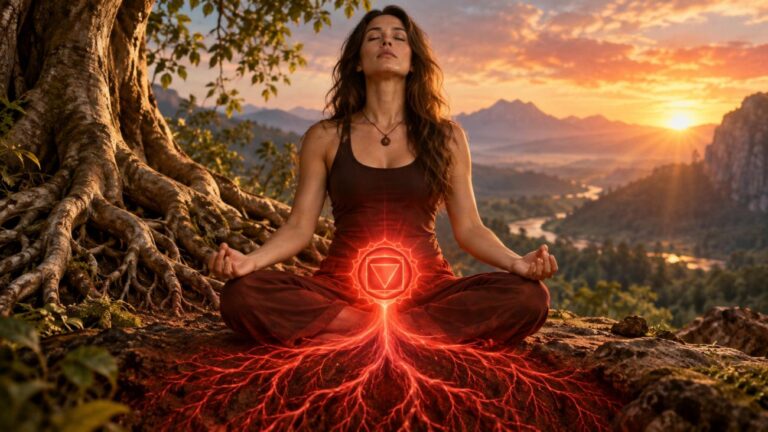
Most root chakra advice sounds the same. Stand barefoot on the grass. Picture red light at the base of your spine. Eat root vegetables. Repeat "I am safe" until you believe it...
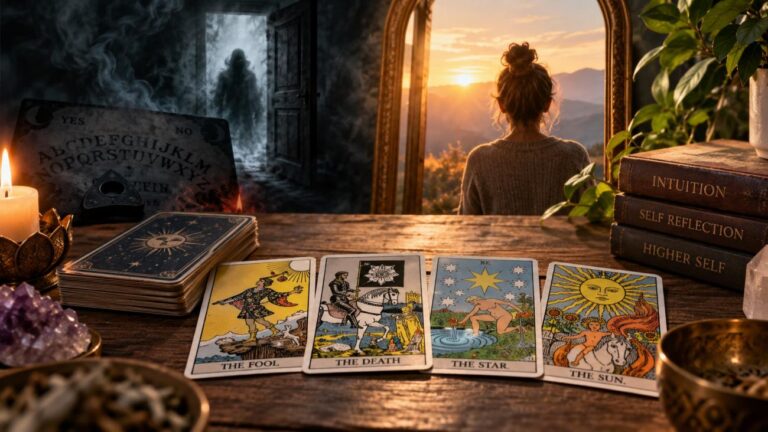
Ask a room full of people about tarot cards and you will get two completely different reactions. Half will treat the deck like a harmless journaling tool. The other half will refuse to have one in the house, convinced that a stack of illustrated cardboard is somehow a doorway to something dark. Both reactions usually come from the same place: nobody ever actually explained what tarot is, where it came from, or what makes it different from something that genuinely does carry risk, like a...

Twice a year the Earth reaches a kind of pause in its breathing. The sun sits directly over the equator, neither hemisphere is leaning toward it, and for a brief moment the whole planet receives light on equal terms. This week is one of those moments. The September equinox arrives at 00:06 UTC on September 23, 2026, which means readers in the Americas will feel it on the evening of September 22, while Europe, Africa and Asia meet it in the early hours of the 23rd.
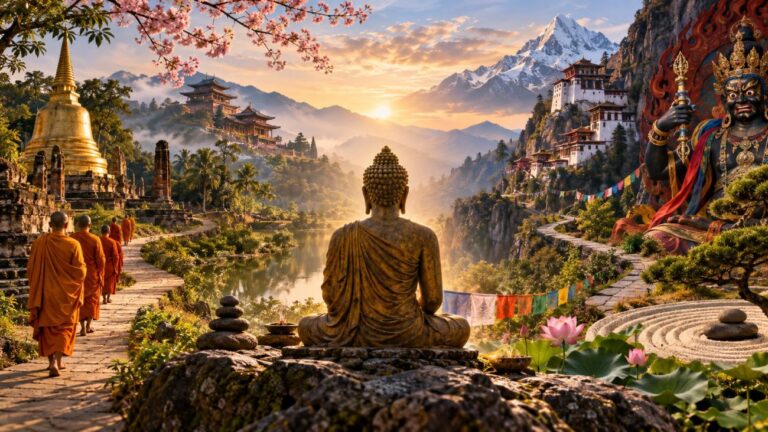
Ask most people in the West what Buddhism looks like and you will get a remarkably uniform picture: a robed figure, eyes half closed, sitting in serene stillness somewhere high and quiet. It is a lovely image, but it hides something far more interesting. Buddhism is not one voice. It is a conversation that has been running for about two and a half thousand years, and the participants have never fully agreed.
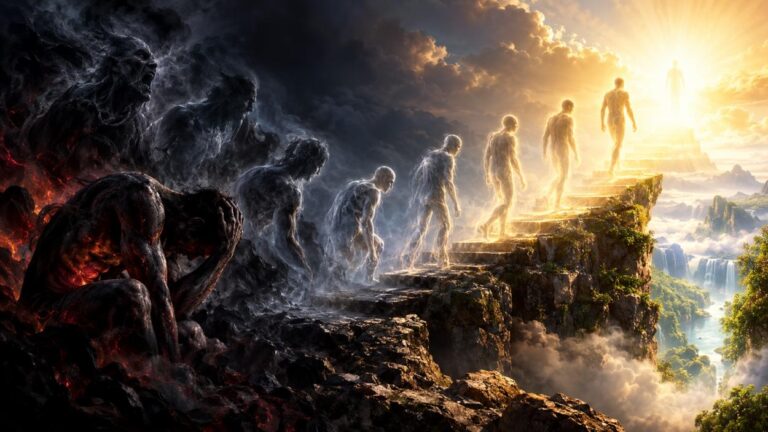
Most religious traditions treat demons as a lost cause. They are painted as a separate species of monster, locked into an eternal war against God, doomed to endless torment with no way out. It is a tidy, frightening picture, and it has shaped Western imagination for centuries.
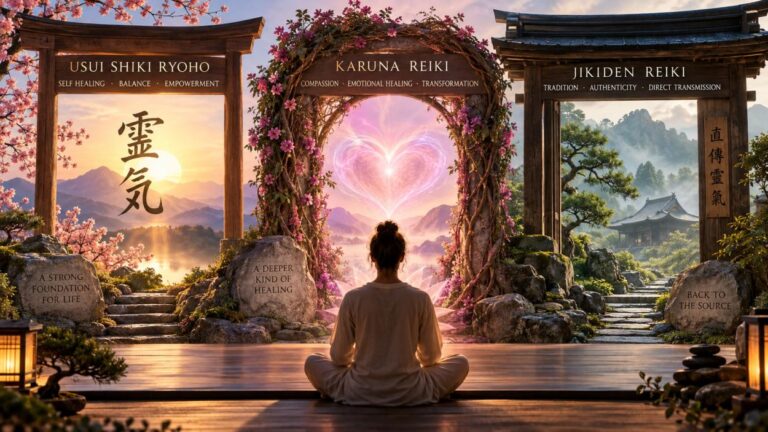
If you have spent any time sitting in stillness, watching thoughts rise and pass without grabbing onto them, you already know something that most Reiki students take years to arrive at. The witness behind the mind and the energy that moves through the body are not separate projects.
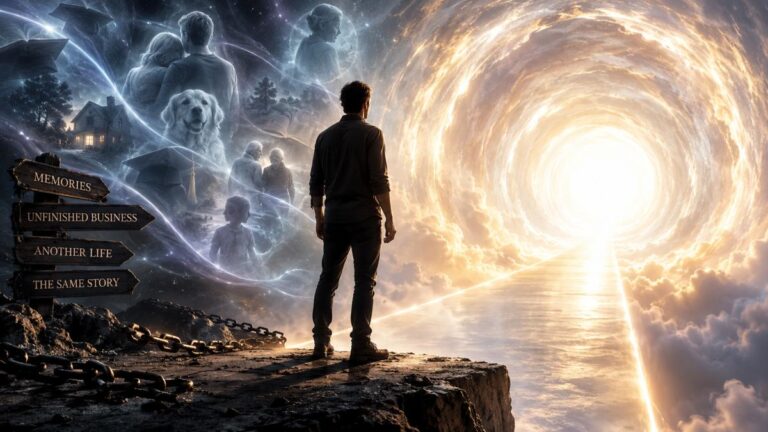
There is a version of the afterlife question that has been circulating for about thirty years now, and it goes like this. When you die, you will see a tunnel of light. Do not go into it. The light is a recycling mechanism. Walk toward it and you will be stripped of memory and pushed back into another body, another name, another eighty years of confusion.
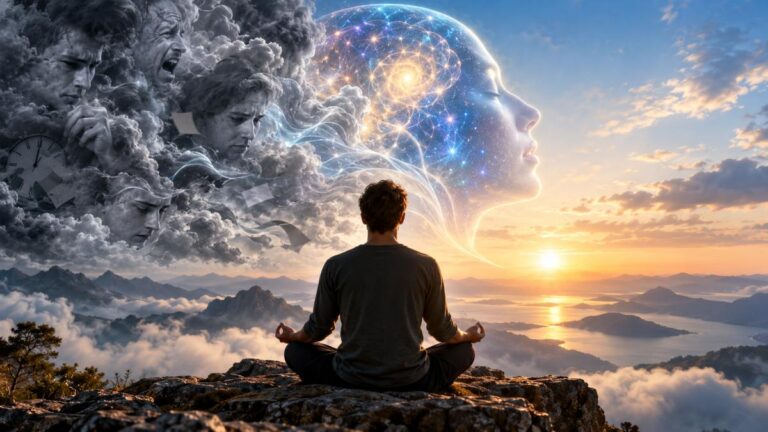
Every few months another teacher steps forward promising to reveal what the "watcher" in you truly is. Eckhart Tolle calls it presence. Rupert Spira calls it awareness knowing itself. Both point at the same quiet fact: behind every thought, feeling, and sensation, there is something...
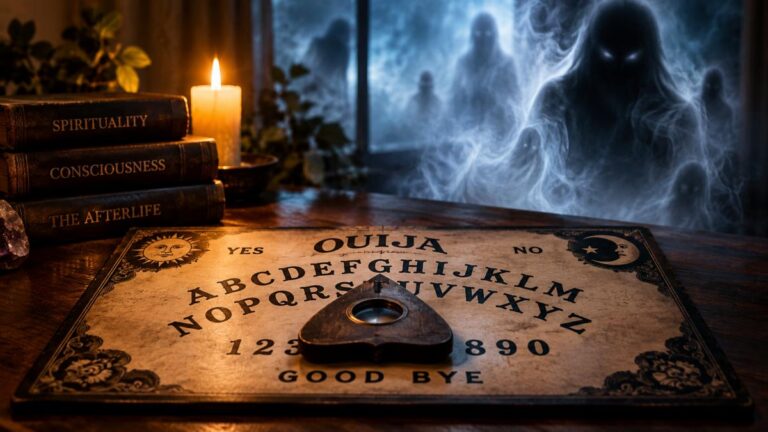
Professional mediums build entire careers on the claim that the veil between the living and the dead is thin enough to cross. Yet ask almost any working medium about the Ouija board, the cardboard "talking board" sold in the toy aisle of every big box store, and the answer is nearly always the same....
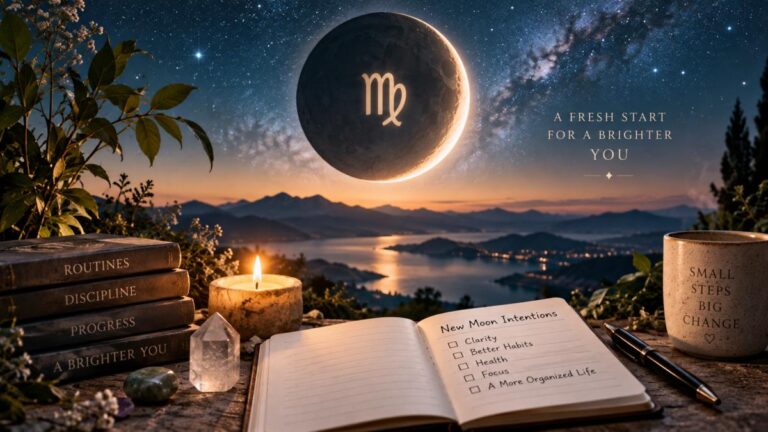
Every new moon opens a fresh page, but not every new moon suits every kind of wish. Last night's new moon landed in Virgo, and Virgo is the sign of the zodiac most closely tied to organization, study habits, attention to detail, and the quiet discipline it takes to actually finish what you start. If your intention for this lunar cycle involves an exam, a certification, a new routine, or simply getting your daily life into better order, you were handed close to ideal timing.