Physical Address
304 North Cardinal St.
Dorchester Center, MA 02124
Physical Address
304 North Cardinal St.
Dorchester Center, MA 02124

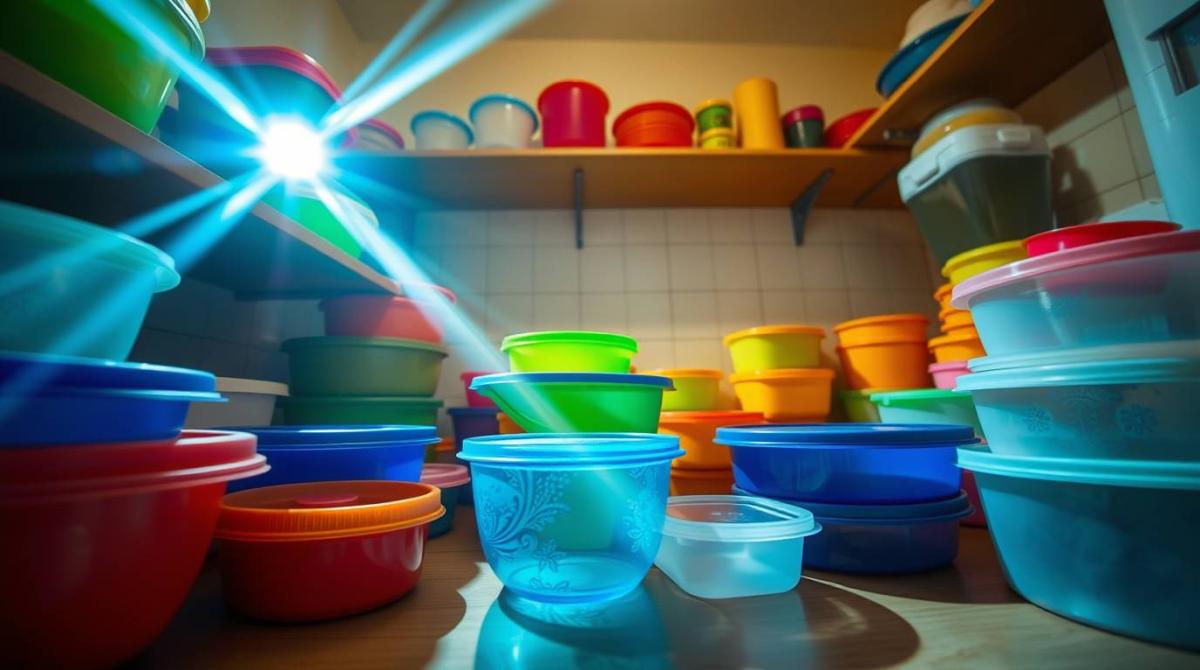
In the heart of every home lies the kitchen—a space where nourishment begins and family memories are made. Yet beneath the surface of our modern culinary convenience lurks an invisible threat that's reshaping how we think about food safety. Microplastics and toxic chemicals have quietly infiltrated our kitchens, embedding themselves in everything from the pans we cook with to the containers storing our leftovers.
In the heart of every home lies the kitchen—a space where nourishment begins and family memories are made. Yet beneath the surface of our modern culinary convenience lurks an invisible threat that’s reshaping how we think about food safety. Microplastics and toxic chemicals have quietly infiltrated our kitchens, embedding themselves in everything from the pans we cook with to the containers storing our leftovers.
Recent scientific research reveals a startling reality: plastic is omnipresent in our kitchens, “hanging out before, during and after every meal.” These microscopic invaders, along with chemicals like PFAS, BPA, lead, and other heavy metals, are finding their way into our food chain with concerning regularity. But here’s the empowering truth—by making strategic, simple swaps, you can dramatically reduce your family’s exposure to these potentially harmful substances.
Microplastics are fragments smaller than five millimeters that shed from larger plastic items over time. These tiny particles don’t stay confined to kitchen surfaces; they migrate into our food, infiltrate the air we breathe, and ultimately enter our bodies through digestion and respiration. Once inside, they’ve been detected in critical areas including our gut, bloodstream, organs, tissues, and even the human placenta.
The health implications are deeply concerning. High concentrations of microplastics in brain tissue have been linked to increased rates of Alzheimer’s disease and dementia. Throughout the body, these particles are associated with rising cases of irritable bowel syndrome, increased colon cancer rates in people under 50, and declining sperm counts. The underlying mechanisms—oxidative stress and inflammation—create pathways for chronic diseases, cardiovascular problems, and endocrine disruption.
Perhaps most alarming is emerging research suggesting microplastics may contribute to antibiotic-resistant superbugs. These particles form stronger bonds with bacteria, creating protective barriers that prevent medications from effectively eliminating harmful microorganisms.
Fortunately, nearly every plastic kitchen product has safer alternatives made from materials like wood, borosilicate glass, food-grade silicone, or stainless steel. These replacements are often surprisingly affordable and widely available, making the transition both practical and economical.
Plastic spatulas and cooking utensils face constant exposure to high temperatures from griddles, pans, and boiling water. Heat accelerates chemical leaching and microplastic release, with black plastic tools showing particularly concerning rates of particle shedding when exposed to high temperatures.
The Solution: Replace plastic utensils with food-safe silicone, wood, or metal alternatives. Silicone, while technically a form of plastic, has a different chemical structure that makes it less likely to release microparticles. Wooden utensils like the Earlywood wooden spatula offer versatility for various cooking tasks, while silicone sets such as GIR Essentials provide an ideal balance of flexibility and durability.
The choice of pots and pans represents one of the most critical decisions in kitchen detoxification. Nonstick cookware often contains PFAS (per- and polyfluoroalkyl substances) or other dangerous chemicals. PTFE coatings, commonly known as Teflon, break down over time, especially when scratched or overheated, releasing millions of microplastic and nanoplastic particles directly into food.
Even seemingly safer options require scrutiny. Some ceramic and enameled cast iron pieces contain lead or other toxic heavy metals, while marketing terms like “eco” or “green” lack legal definitions and can mislead consumers.
The Solution: Embrace tried-and-true materials with proven safety records: stainless steel, cast iron, and glass. For nonstick needs, quality ceramic cookware like Caraway’s non-toxic ceramic skillet provides effective performance. Consider investing in heirloom-quality pieces such as Le Creuset Enameled Cast Iron Dutch Ovens, which feature Teflon-free enamel coatings and cast iron centers for even heating. Other excellent options include SolidTeknics Noni skillets made with high-quality, low-nickel ferritic stainless steel, Made-in carbon steel pans, and premium stainless steel stock pots from manufacturers like HomiChef.
These materials develop natural nonstick surfaces over time, last for decades, and keep microplastics far from your meals.
Plastic cutting boards present high microplastic exposure risks due to constant cutting and surface abrasion that sheds particles directly into food. Even bamboo boards, often perceived as safer alternatives, can be problematic when made from multiple pieces assembled with formaldehyde-containing glues—a chemical linked to rashes, eye irritation, lung function changes, and potential carcinogenicity. Some bamboo boards contain toxic melamine-formaldehyde resins associated with kidney problems, endocrine disruption, and neurological issues.
The Solution: Choose cutting boards made from single pieces of wood without glue assembly, or opt for glass alternatives. Companies like Treeboard specialize in single-piece wooden boards with safe finishes. When properly cleaned, wooden boards don’t harbor more bacteria than plastic versions while offering natural aesthetics and superior longevity.
Plastic food containers become significant microplastic sources, particularly when used for reheating leftovers in microwaves. Temperature changes trigger microplastic release, contaminating the very food meant to nourish your family.
The Solution: Switch to microwave-safe glass or ceramic containers. Glass options like Bentgo Signature Leakproof Glass Food Storage and Caraway 14-Piece Food Storage Glass Container Sets offer superior functionality—they don’t crack when packing hot ingredients, clean easily due to streamlined designs, and eliminate microplastic concerns entirely.
Disposable plastic bags and cling wrap are particularly vulnerable to degradation from sun exposure, heat, tears, and repeated opening and closing, making them major microplastic sources.
The Solution: Explore reusable options like silicone storage bags, beeswax wraps, or waxed paper. Silicone bags such as W&P Porter products are durable, dishwasher-safe, and ideal for freezing without cracking or shedding. Beeswax wraps like Bees Wrap Reusable offer natural, compostable alternatives lasting 6-12 months, forming secure seals with hand warmth.
Water Bottles: Replace hard plastic bottles with glass or metal alternatives from brands like Yeti or HydroFlask.
Electric Kettles: Choose metal or glass electric kettles, such as the Fellow Corvo EKG Pro Studio Edition, over plastic versions that can leach chemicals into hot water.
Tea Bags: Recent studies show some tea bags lined with polymers like nylon-6 or polypropylene release billions of particles when steeped. Switch to loose-leaf tea with metal infusers like the OXO Brew Tea Infuser Basket.
Microfiber Towels: These synthetic fiber towels contribute to microplastic pollution, releasing particles with every wash. Replace them with 100% cotton kitchen towels that absorb spills effectively while breaking down naturally.
The prospect of eliminating all plastic simultaneously can feel overwhelming. Experts recommend a gradual, item-by-item approach, replacing products as they wear out while prioritizing those in direct food contact. Remember to recycle disposed plastic items responsibly.
Think of your kitchen as a sophisticated filter system, and these swaps as upgrading its mesh. Instead of allowing tiny, harmful particles to slip through and contaminate your healthy meals, you’re installing a finer, more robust screening system. Each replacement strengthens this protective barrier, ensuring what reaches your plate is pure nourishment, free from the unwanted byproducts of modern convenience.
These simple changes offer profound benefits: reduced health risks for your family, decreased environmental pollution in oceans and waterways, and the empowering knowledge that you’re taking control of what ends up on your table. In a world where invisible threats seem beyond our control, transforming your kitchen represents a powerful act of protection and care for those you love most.