Physical Address
304 North Cardinal St.
Dorchester Center, MA 02124
Physical Address
304 North Cardinal St.
Dorchester Center, MA 02124

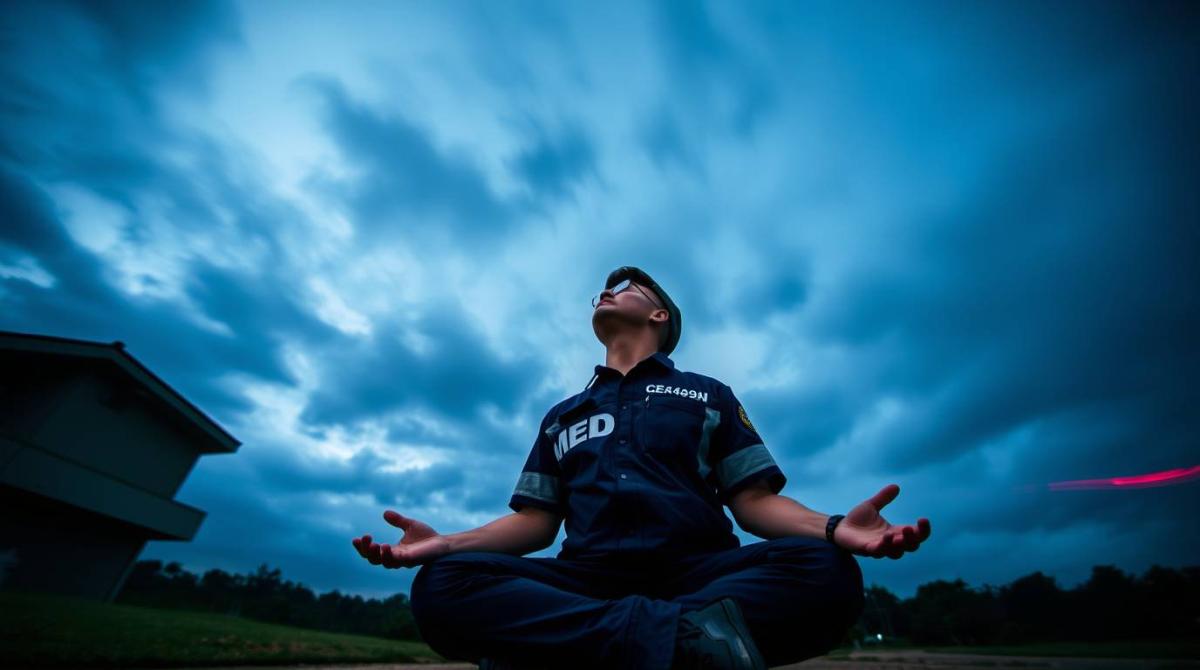
The demands on paramedicine students go far beyond memorizing medical facts. These aspiring healthcare professionals constantly face the responsibility of making critical decisions under immense pressure. Over time, the daily stressors of rigorous coursework, clinical placements, and anticipating life-or-death emergencies can take a toll on their psychological well-being. It’s no secret that stress can undermine academic performance and personal lives, making it crucial for students to adopt effective coping strategies. Recent research from a randomised controlled pilot study published in Nature offers fresh insights into one potential tool for dealing with this stress: transcendental meditation.
The demands on paramedicine students go far beyond memorizing medical facts. These aspiring healthcare professionals constantly face the responsibility of making critical decisions under immense pressure. Over time, the daily stressors of rigorous coursework, clinical placements, and anticipating life-or-death emergencies can take a toll on their psychological well-being. It’s no secret that stress can undermine academic performance and personal lives, making it crucial for students to adopt effective coping strategies. Recent research from a randomised controlled pilot study published in Nature offers fresh insights into one potential tool for dealing with this stress: transcendental meditation.
Individuals who choose paramedicine as a career are called to be first responders in complex, often traumatic situations. Meeting the physical demands of the job is only half the battle; emotional resilience is equally vital. Whether they are supporting accident victims at the scene of a crash or stabilizing patients in transit, paramedicine students learn early that their mental fortitude can make all the difference.
Maintaining mental health in this field can help prevent burnout, reduce anxiety, and enable more dependable patient care. When paramedicine students are mentally healthy, they are more prepared to absorb the rapidly evolving knowledge base of emergency medicine. Additionally, mental well-being supports greater focus, empathy, and decision-making skills, qualities that are invaluable when timing is critical and every second counts. Against this backdrop, it’s easy to see why researchers are eager to find interventions that promote mental resilience among paramedicine students.
Transcendental meditation, often abbreviated as TM, is a form of meditation that aims to reduce stress, increase mindfulness, and promote overall well-being. Unlike other meditation techniques that might focus on controlled breathing or guided visualization, transcendental meditation typically involves silently repeating a personalized mantra. The goal is to help the mind settle into a state of profound rest, leading to a sense of calm and clarity.
This meditation style gained attention in Western culture during the 20th century, with proponents claiming both physiological and psychological benefits. Practitioners have reported decreases in blood pressure, lower levels of stress hormones, and improved emotional stability. While the practice has its share of skeptics, scientific studies lend credence to the notion that adopting transcendental meditation can lead to tangible health benefits, particularly in reducing anxiety and promoting mental resilience.
The pilot study in question investigated how transcendental meditation might influence mental health and resilience in paramedicine students. Researchers used a randomised controlled design—an approach considered the gold standard for assessing causality. The study split participants into two groups: one that engaged in regular transcendental meditation sessions and another that did not. Over several weeks, the research team measured various aspects of psychological well-being, including perceived stress, depression levels, and overall resilience.
Preliminary findings revealed that students who practiced transcendental meditation showed notable improvements in their mental health markers. They reported feeling less overwhelmed and demonstrated higher resilience in academic and clinical settings. While a pilot study often involves a smaller group of participants and a relatively short duration, these positive results hint at the broader potential of transcendental meditation. For paramedicine students, taking a few minutes a day to engage in a structured meditative practice might significantly boost their ability to cope with stress.
Beyond statistics, the study’s qualitative feedback is equally compelling. Several participants found that committing to even short TM sessions helped clear their minds and steady their emotions before challenging shifts or exams. While it’s important to replicate these findings on a larger scale, these early outcomes open the door to new and more extensive strategies for mental health support in paramedicine programs.
Resilience refers to the capacity to recover from difficulties or adapt in the face of repeated stress. For paramedicine students, high resilience levels are essential for providing safe, effective care to patients. By engaging in transcendental meditation, practitioners often experience a shift in their mental state that can lead to a stronger sense of inner stability. This stability, in turn, can make it easier to cope with difficult clinical cases, long study hours, and the inherent uncertainties of the paramedicine profession.
Researchers suggest that transcendental meditation may promote neurological changes in areas of the brain associated with mood regulation and stress responses. Over time, these changes could potentially serve as a buffer against chronic stress. Moreover, because meditation typically involves the regulation of attention, engaging in this practice might improve focus and concentration, attributes that are highly beneficial in fast-paced emergency environments. This combination of better emotional balance and heightened cognitive clarity is a powerful asset for those learning to handle life-and-death situations.
One of the most frequently cited challenges for paramedicine students is time management. So how can students who are already juggling classes, clinical rotations, and study groups carve out time for daily meditation sessions? The good news is that transcendental meditation often takes as little as 20 minutes, once or twice a day. This is a small investment that can offer real dividends in mental well-being.
Below are some practical tips for incorporating TM into a hectic student schedule:
Implementing strategies like these can make the difference between an occasional apparition of mindfulness and a genuinely beneficial daily practice. When meditation becomes routine, students may be more likely to stick with it and reap the potential mental health rewards.
It’s worth noting that the pilot study identified a few limitations. Pilot studies typically involve a limited number of participants, which restricts the ability to generalize findings across all paramedicine programs. Additionally, the researchers mentioned that some participants found it challenging to maintain consistent meditation habits, highlighting the importance of sustained motivation and support. Despite these limitations, the observed improvements in mental health are encouraging.
It’s also crucial to underscore that transcendental meditation, while beneficial, is not a cure-all. Although it can be an excellent component of a comprehensive mental health plan, students should still be aware of other wellness strategies, such as maintaining a balanced diet, engaging in regular exercise, and seeking professional counseling when necessary. Combining meditation with other proven approaches allows for a more holistic and robust path to emotional stability.
This pilot study serves as an important stepping stone, illustrating that transcendental meditation may offer paramedicine students a valuable tool for personal well-being. Future research could expand on these findings by involving a larger pool of participants over a longer period, making it easier to confirm the reliability of the results. High-quality studies with greater statistical power and diversity would help professionals design better guidelines and potentially incorporate meditation training into paramedicine curricula worldwide.
The implications stretch beyond paramedicine. Other high-stress medical fields, such as nursing, emergency medicine, and critical care, might also benefit from structured meditation programs introduced early in training. By normalizing meditation and mindfulness practices, academic institutions can help reduce stigma and encourage students to take proactive steps for their mental health.
Ultimately, even a busy schedule needn’t be a barrier to discovering the benefits of transcendental meditation. The growing body of research—backed by pilot studies such as this—offers optimism that targeted interventions can reduce stress and increase resilience among students who face significant academic and clinical pressure. Improving mental health is not solely a matter of personal well-being. It’s also an avenue for elevating the quality of patient care, ensuring that paramedicine professionals can function effectively even under the most challenging circumstances.
Students who dedicate time to practices like transcendental meditation often cultivate a heightened sense of calm in stressful situations, sharpening their focus when it matters most. This transformed mental landscape can translate into better decision-making, improved empathy, and a healthier emotional life overall. If these benefits can be scaled and confirmed in larger studies, the future of emergency healthcare training might include structured sessions that support mental as well as physical readiness.
As this pilot study suggests, a small commitment to meditation may have outsized benefits. While there is still much to learn about the specific mechanisms through which TM fosters resilience in paramedicine students, the early returns paint a promising picture. With time, it’s possible that transcendental meditation, alongside other mindfulness-based approaches, will become a mainstay of medical education.
For those considering adopting meditation, exploring credible resources can be a good first step toward establishing a sustainable routine. You can learn more about the basics of transcendental meditation through references such as TM.org and continue to monitor further studies published in reputable journals like Nature. Whether you are a student, educator, or simply curious about enhancing mental resilience, the growing interest in transcendental meditation provides an intriguing avenue of exploration.