Physical Address
304 North Cardinal St.
Dorchester Center, MA 02124
Physical Address
304 North Cardinal St.
Dorchester Center, MA 02124


In a world where three meals a day is considered essential for survival, Elitom El-Amin presents a radically different approach to health and consciousness. For 19 years, this breatharian practitioner has been exploring what he calls "food freedom," a state where the body learns to sustain itself through life force energy, or prana, rather than physical food. His journey from the heavy portions of American Midwest dining to complete food independence offers insights into the transformative power of meditation and conscious living.
In a world where three meals a day is considered essential for survival, Elitom El-Amin presents a radically different approach to health and consciousness. For 19 years, this breatharian practitioner has been exploring what he calls “food freedom,” a state where the body learns to sustain itself through life force energy, or prana, rather than physical food. His journey from the heavy portions of American Midwest dining to complete food independence offers insights into the transformative power of meditation and conscious living.
Elitom grew up in Ohio in a household where food was abundant. His mother kept extra freezers and refrigerators stocked, feeding not just the family but the entire neighborhood. This cultural imprinting followed him into adulthood, where he replicated the same pattern after marriage. However, this abundance came with consequences. His weight climbed to 180 pounds, his blood pressure rose, and his overall health deteriorated.
The turning point came through a chance encounter with someone who suggested leaving meat behind. Desperate and willing to try anything, Elitom eliminated meat from his diet. This single decision became the gateway to what he now recognizes as his pranic journey. He began incorporating exercise, learning about holistic and raw foods, and eventually adopted a vegan lifestyle focused on living, uncooked foods.
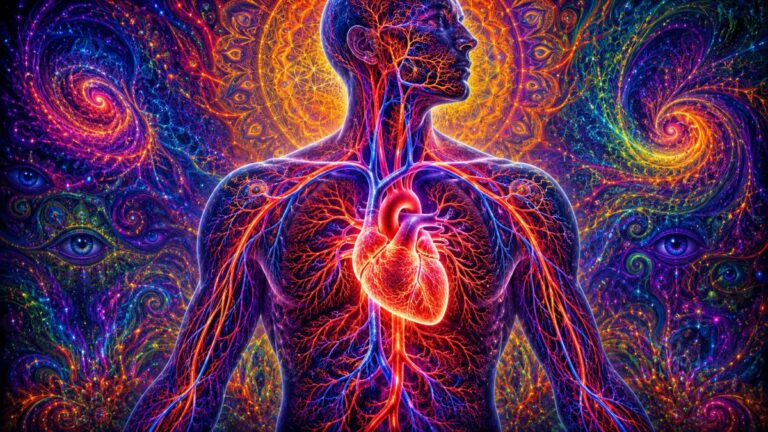
What distinguishes Elitom’s approach from simple dietary change is his emphasis on meditation as the cornerstone of the breatharian lifestyle. He started fasting once a week for religious purposes, but as he delved into meditation practices, everything shifted. Through meditation, he discovered what he calls the energy channels within the body.
This type of meditation focuses specifically on pranic energy flow. Prana, a Sanskrit term, refers to the vital life force that permeates everything in existence. In yogic philosophy, this energy travels through the body via nadis, or energy channels, with major centers called chakras. By consciously focusing on these channels during meditation, practitioners can learn to perceive and direct this subtle energy.
Elitom describes his practice as developing into a “walk in meditation,” meaning he maintains a meditative state continuously throughout his day. This isn’t about sitting in lotus position for hours, but rather about holding a specific frequency or vibration in the body at all times. He emphasizes that he is meditating even while speaking, teaching, and going about daily activities.
The meditation practice Elitom describes centers on energy channel activation and light absorption. He speaks of holding light in the body, maintaining a high-frequency vibration, and staying connected to what he calls UV light (ultraviolet), which represents invisible forces beyond visible spectrum. This practice involves opening the body’s energy channels to receive sustenance from solar power, air, and other subtle energies that the physical eyes cannot detect.
According to Elitom, this isn’t mystical thinking but rather working with the fundamental nature of human beings as energy. The more consistently one can hold this elevated vibration through continuous meditative awareness, the less the body craves physical food. He explains that food represents a lower vibration of light, while the pranic state operates at a higher frequency.
For those interested in exploring this practice, Elitom’s journey reveals a progressive path rather than an overnight transformation. Here’s how to begin:
Step One: Foundation Building
Start by improving your relationship with food. Reduce meat consumption or eliminate it entirely. Transition toward more plant-based, whole foods. Incorporate at least 80% raw, living foods into your diet. This isn’t about deprivation but about raising your body’s vibration through lighter, more energetically pure foods.
Step Two: Establish a Fasting Practice
Begin fasting once per week. This could start as a water fast or juice fast. The purpose is twofold: to give your digestive system rest and to begin experiencing what it feels like when your body isn’t constantly processing food. This practice helps you distinguish between true hunger and habitual eating patterns.
Step Three: Daily Exercise
Incorporate consistent physical movement into your routine. Exercise helps circulate energy through the body and strengthens your overall vitality. This doesn’t require intense gym sessions but rather mindful movement that keeps energy flowing.
Step Four: Learn Basic Energy Channel Meditation
Sit comfortably in a quiet space. Close your eyes and bring awareness to your breath. Begin to visualize energy channels running through your body. Start with the central channel along your spine. Imagine light or energy flowing through this channel with each breath.
Step Five: Focus on Individual Energy Centers
Become familiar with the major chakra points: the base of the spine, lower abdomen, solar plexus, heart, throat, third eye (between eyebrows), and crown of the head. Spend time bringing awareness to each center. Notice sensations, warmth, tingling, or expansiveness.
Step Six: Practice Light Absorption
During meditation, visualize yourself absorbing light and energy from your surroundings. Imagine breathing in golden or white light. Feel this light filling your energy channels and nourishing every cell. Practice this visualization until it becomes a felt sense rather than just imagination.
Step Seven: Extend Meditative Awareness
Gradually practice maintaining this awareness of energy and light throughout your day. While walking, working, or talking, keep a portion of your attention on the flow of energy through your body. This is the “walk in meditation” Elitom describes.
Step Eight: Progress Gradually
As your practice deepens, you may naturally find yourself wanting to eat less frequently. Follow your body’s wisdom. Some people progress to eating once daily, then every few days, then weekly. There’s no rush and no competition. The goal isn’t food restriction but energy expansion.
Elitom emphasizes that this journey is fundamentally an exploration of consciousness. He states, “I am what I think,” suggesting that our physical reality, including our body’s needs, responds to our consciousness. By shifting awareness from dependence on physical food to connection with subtle energy, the body adapts.
He reports experiencing robust health, decreased need for sleep, increased happiness, and what he describes as living in heaven with no problems or blockages. This doesn’t mean life challenges disappear, but rather that his relationship to challenges transforms through maintaining a high-vibrational state.
While Elitom mentions that medical science increasingly supports the benefits of sun exposure, breathwork, exercise, and fasting, the complete breatharian lifestyle remains controversial and unverified by mainstream science. The human body’s established need for nutrients, vitamins, and minerals cannot be ignored.
However, the foundational practices he advocates including meditation, mindful eating, fasting, and energy awareness have documented benefits for health and wellbeing, even if practitioners never attempt to eliminate food entirely.
Importantly, Elitom emphasizes that food freedom is a byproduct of perfect health, not a goal in itself. He encourages people to learn how to eat properly, keep portions small, and prioritize health above all. Even those who choose to continue eating can benefit from understanding their energetic nature and incorporating pranic practices into daily life.
His message centers on consistency and patience. The transformation takes time, and struggling is part of the process. By staying consistent with meditation, energy work, and healthy practices, individuals can gradually shift to higher frequency states.
Whether one accepts the possibility of living entirely without food or not, Elitom’s emphasis on meditation, energy awareness, and conscious living offers tools for anyone seeking greater vitality and connection to their essential nature as energetic beings.