Physical Address
304 North Cardinal St.
Dorchester Center, MA 02124
Physical Address
304 North Cardinal St.
Dorchester Center, MA 02124

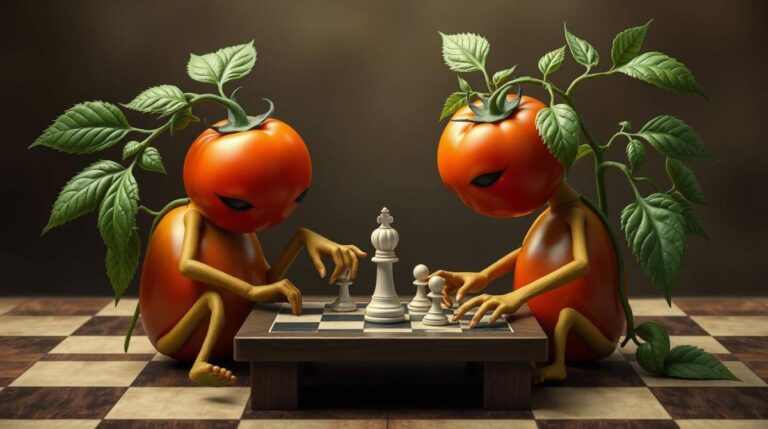
There is a moment that many of us on the spiritual path experience, usually quietly, often alone. It is the moment you look at a tree, or kneel in a garden, or sit beside the ocean, and something inside you recognises that what you are looking at is not simply an object. It is not scenery. It is alive in a way that goes beyond the biological definition of the word. It is aware. And the awareness looking back at you feels ancient, vast, and somehow familiar.
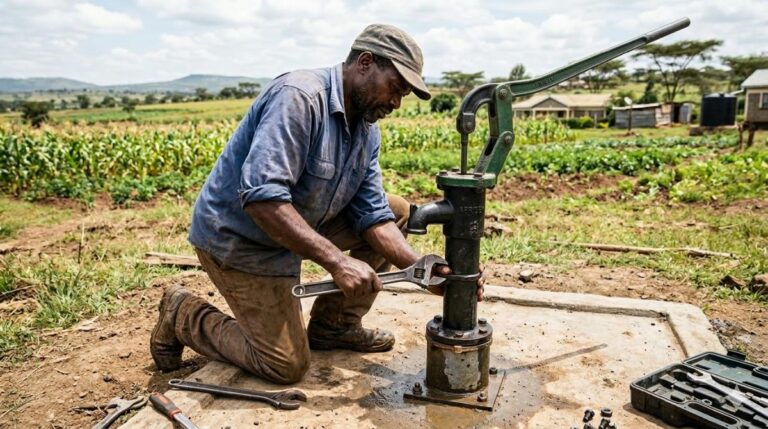
There is something deeply satisfying about sourcing your own water straight from the earth beneath your feet. Whether you are building toward greater self-sufficiency, preparing for emergencies, or simply want a free and reliable water source for your garden and livestock, installing your own sandpoint well is one of the most rewarding projects you can take on. The best part? You do not need heavy machinery, a professional driller, or a massive budget. With a few basic tools, some determination, and a free afternoon, you can have water flowing from the ground by the end of the day.
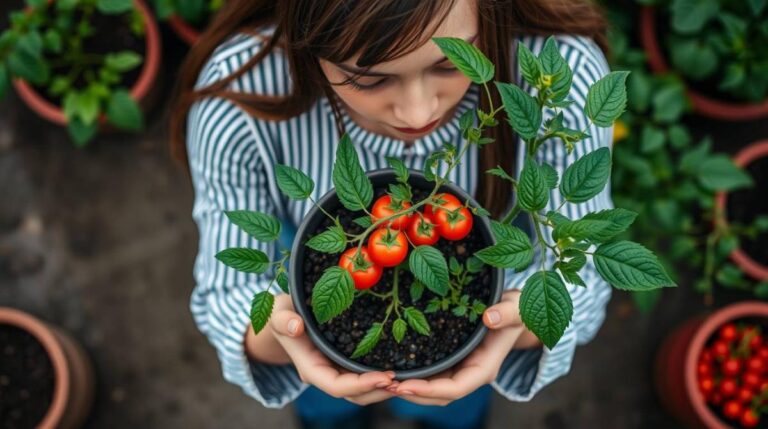
Somewhere along the way, growing food became complicated. We started believing it required land, raised beds, a greenhouse, a composting system, a PhD in horticulture, or at the very least a sprawling backyard and a lot of free time. The truth is quieter and far more accessible than that. It starts with one pot. One container, one seed, one small act of reconnection with the earth. That is all it takes to begin.

Have you ever watched a polished YouTube ad where a guru in a beachfront villa promises that you are just one visualization session away from abundance, love, and perfect health? Have you felt that uneasy mix of excitement and guilt when their $997 course didn't quite deliver the life transformation promised in the sales funnel? You are not alone, and that discomfort you feel is actually your soul trying to tell you something important.

There is a kind of knowing that arrives before the evidence does. Sensitives feel it first. Seers name it. And eventually, the world catches up. Right now, that knowing is impossible to ignore, and channeler and psychic Gaia Sophia is one of many voices in the conscious community saying plainly what many of us are already quietly feeling: something large is shifting, and it is asking everything of us.

The drums of war are beating again, and this time they come wrapped in scripture. Across social media, pulpits, and Christian broadcasting networks, a familiar narrative is gaining momentum: Iran is the biblical Persia of Ezekiel 38, it is destined for divine judgment, and Western military intervention may be part of God's plan to bring that judgment about. Videos tracing Iran through 29 biblical references are racking up millions of views. Commentators connect every geopolitical headline to ancient prophecy with breathless certainty. And underneath it all sits an unspoken but deeply felt conviction: if God said it would happen, perhaps we should help it along.
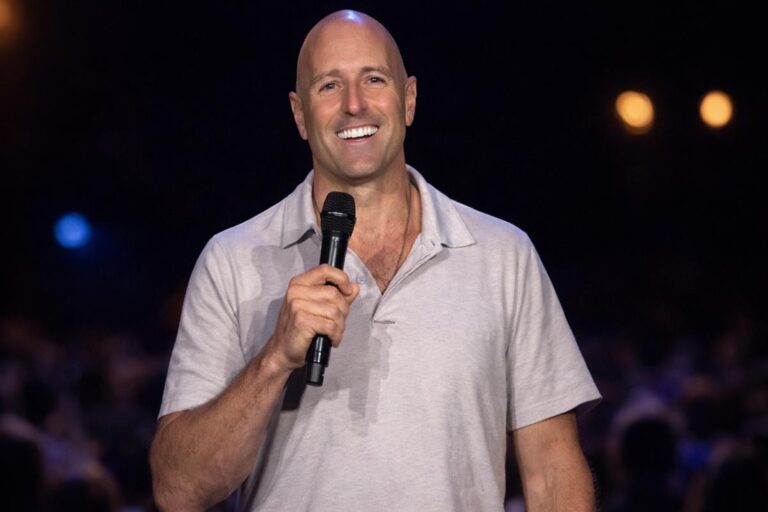
Every month, intuitive teacher and channel Lee Harris takes the collective pulse, offering a reading of the energetic, emotional, and psychological currents that are shaping our shared experience. His March 2026 update arrives after what he describes as two extraordinarily heavy months, and the themes he brings forward feel both grounding and galvanising. From the ongoing purge of hidden darkness to the unmistakable rise of personal power and spiritual light, March is being framed as a pivotal turning point. Here is a full breakdown of the seven themes Lee explored for the month.

Yesterday we published a deep dive into the warnings of Chris Bledsoe - the North Carolina contact experiencer who has spent nearly two decades in daily communication with luminous, angelic beings he calls orbs. In that article, The Orbs Are Coming: Chris Bledsoe's Warning About the Great Awakening, we highlighted his stunning claim that the orbs themselves had told him they would appear in extraordinary numbers at a very specific moment in history: when Israel and Iran began exchanging missiles. He said it before it happened. He put it in his book.

Something extraordinary is happening in our skies, and one man has been quietly warning about it for years. Chris Bledsoe — businessman, commercial pilot, drone expert, and one of the most extensively documented UAP contact experiencers in American history — is no longer being subtle about what he believes is unfolding. In a recent interview, Bledsoe delivered a message that sits at the crossroads of ancient prophecy, modern geopolitics, and the accelerating spiritual awakening sweeping the planet: the orbs are here, they are alarmed, and they are not leaving until humanity wakes up.

With the war in Iran going on, I find myself completely distracted whenever I try to meditate. My mind fills with images from the news, worry about what's coming next, and I reach for the remote to watch the news. I feel guilty trying to sit in peace when so much suffering is happening in the world. What can I do?