Physical Address
304 North Cardinal St.
Dorchester Center, MA 02124
Physical Address
304 North Cardinal St.
Dorchester Center, MA 02124


In a groundbreaking study published just weeks ago, researchers demonstrated that a mere seven days of guided meditation coupled with healing rituals can trigger measurable biological changes in the human body. The findings, reported by a team of neuroscientists from UC San Diego and the Veterans Affairs San Diego Healthcare System, reveal alterations in gene expression, brain connectivity, and heart rhythm - changes traditionally associated with long-term practice. This raises the exciting possibility that even brief, structured mindfulness interventions can have profound effects on our health at the molecular level.
Seven Days to Transformation
In a groundbreaking study published just weeks ago, researchers demonstrated that a mere seven days of guided meditation coupled with healing rituals can trigger measurable biological changes in the human body. The findings, reported by a team of neuroscientists from UC San Diego and the Veterans Affairs San Diego Healthcare System, reveal alterations in gene expression, brain connectivity, and heart rhythm – changes traditionally associated with long-term practice. This raises the exciting possibility that even brief, structured mindfulness interventions can have profound effects on our health at the molecular level.
[Also see: Mindfulness Reduces Opioid Addiction]
What the Researchers Discovered
The experiment recruited 20 adults who participated in an intensive week-long retreat combining daily meditation, reconceptualization lectures, and group healing rituals. Using functional MRI, blood sample analysis, heart-rate monitors, and sophisticated cellular assays, the researchers compared pre- and post-intervention data. What they discovered was nothing short of remarkable.
Epigenetic Shifts at the Molecular Level
The research team found significant epigenetic shifts in the participants’ blood plasma. They observed changes in microRNA profiles that modulate stress-response pathways and alterations in genes related to inflammation. Blood samples taken after the retreat showed increased expression of both inflammatory and anti-inflammatory proteins, suggesting the body was engaged in active cellular renewal rather than chronic stress response. The researchers also measured increases in opioid-related peptides, including beta-endorphin and dynorphin, molecules known to promote feelings of well-being that are typically activated during placebo responses or physical exercise.
The Brain Rewires Itself
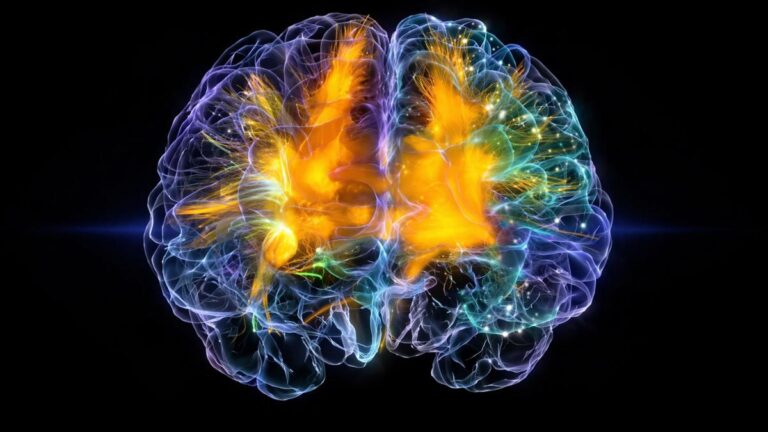
On the neurophysiological front, meditation produced dramatic changes in brain network organization. The default mode network, which is typically active during mind-wandering and self-referential thought, showed reduced functional integration. The salience network, involved in emotional monitoring, also decreased in activity. Most intriguingly, the brain exhibited decreased modularity and increased global efficiency, meaning it operated in a more integrated, less compartmentalized way. New connections emerged between brain regions previously linked to immersive and altered states of consciousness, particularly between the insula and posterior cingulate cortex.
From Blood to Neurons
The retreat also improved heart rate variability, a key indicator of autonomic flexibility and stress resilience. Participants reported subjective feelings of calm and improved sleep quality. Beyond these self-reported benefits, the cellular experiments revealed something extraordinary: nerve cells exposed to post-retreat blood plasma showed greater neurite outgrowth compared to cells treated with pre-retreat samples. This suggests enhanced neuroplasticity at the cellular level, accompanied by increases in proteins linked to brain-derived neurotrophic factor (BDNF), which supports neuron survival and growth.
How Brief Practice Triggers Lasting Change
Traditionally, many mindfulness studies have required months of daily practice to observe such changes. This new research suggests that the brain and body may be primed to respond to even brief, consistent exposure. The key mechanisms appear to involve rapid chromatin remodeling, which can quickly influence gene transcription, transient neural plasticity that sets the stage for lasting network reorganization, and modulation of the hypothalamic-pituitary-adrenal axis, normalizing stress hormone cycles. In other words, the body’s adaptive systems can be nudged into a healthier trajectory with surprisingly minimal time investment.
Practical Integration for Daily Life
For those looking to integrate these findings into daily life, the implications are empowering. Beginning with just 10 minutes of mindful breathing each morning can initiate beneficial changes. Incorporating a simple body-scan ritual before bed may enhance sleep quality. Short “micro-breaks” during work to reset heart rate variability through a few deep breaths can accumulate meaningful benefits. Those interested in quantifying their progress might track their HRV using a wearable device. Combining meditation with gentle movement like walking or stretching appears to amplify the effects even further.
The Mind-Gene Connection
One of the study’s most compelling insights is the demonstrated link between mental practices and gene expression. The changes in inflammatory markers suggest that meditation can reduce chronic low-grade inflammation, a known contributor to cardiovascular disease, diabetes, and depression. Up-regulation of BDNF aligns with improved neuroplasticity, potentially enhancing learning and mood. These findings complement other research on the epigenetic impact of meditation documented in scientific journals, painting a picture of a brain that not only rewires in response to practice but also communicates changes to the genome itself.
What the Scientists Are Saying
Dr. Hemal Patel, the study’s senior author, commented on the findings: “Our data suggest that the mind is a powerful tool for affecting change, and this can be accomplished in a short period (7 days) through a targeted approach that teaches individuals new concepts, incorporates deep meditative practices, and includes intention-based exercises to support health and resilience. What is even more profound is that when the mind changes from a functional perspective, the body dramatically changes to form anew to become more resilient from many perspectives.”
Natural Psychedelics Within
Perhaps most striking was Patel’s observation that the brain at the end of a week-long retreat looked similar to what a brain would look like on psychedelic compounds like psilocybin. “The unique conclusion here is that we do not need to turn outside to change but have a powerful, endogenous ability to affect change by making new chemicals,” he explained. The evidence suggests individuals elevated levels of endogenous opioids that likely create pain mitigation effects, and the researchers suspect many other compounds typically addressed with exogenous drugs are also likely elevated after such intensive experiences.
Implications for Healthcare and Wellness
Healthcare systems are increasingly recognizing the value of integrative practices. If short meditation courses can yield measurable biological benefits, they may become a low-cost, low-risk addition to treatment plans for conditions ranging from anxiety to hypertension. Insurance providers might consider covering guided mindfulness sessions, given the potential to reduce downstream medical costs. Moreover, wellness programs in corporate settings could be redesigned to focus on brief, daily rituals rather than lengthier retreats, aligning with emerging evidence that “micro-interventions” can cumulatively impact health over weeks.
Questions for Future Research
Important questions remain. Can these rapid epigenetic changes be sustained with intermittent practice, or do they require continuous daily effort? What specific components of the meditation ritual, such as breathing pattern, visualization, or gratitude, drive the observed changes? How do individual differences like baseline stress levels or genetic predispositions moderate the response? Could combining meditation with other lifestyle factors like diet and exercise amplify the benefits? These are the frontiers researchers are now exploring.
Mind and Body as One
First author Alex Jinich-Diamant captured the essence of the discovery: “This study shows that our minds and bodies are deeply interconnected – what we believe, how we focus our attention, and the practices we participate in can leave measurable fingerprints on our biology. It’s an exciting step toward understanding how conscious experience and physical health are intertwined, and how we might harness that connection to promote well-being in new ways.”
Important Caveats
The research team acknowledges important limitations. The study did not include a control group, and participants may have been influenced by factors such as diet, sleep, social interaction, or simply being removed from daily stressors. The sample size was relatively small, and many participants were experienced meditators. While the changes observed were statistically significant, it remains unclear how long they persist or whether they translate into lasting health benefits.
The Power Within
Despite these caveats, the findings represent a remarkable validation of what contemplative traditions have taught for millennia: the mind possesses extraordinary power to shape our biology. What makes this research particularly revolutionary is its demonstration that such transformation need not require years of monastic dedication. Seven days of focused, intentional practice may be enough to set profound changes in motion, offering hope that the healing potential within each of us is far more accessible than we might have imagined.