Physical Address
304 North Cardinal St.
Dorchester Center, MA 02124
Physical Address
304 North Cardinal St.
Dorchester Center, MA 02124


Jonathan Ashford was not the kind of man you would expect to return from death with a message about love. By his own admission, he was a high-powered marketing and technology executive who described himself as aggressive, manipulative, and entirely self-serving. Spirituality was a joke to him. Empathy was a liability. His philosophy could be summarised in a single offhand quip he used to make: "If God exists, I'll just meet him when I'm dead."

There comes a point in the life of a man who is genuinely growing where something quietly unsettling begins to unfold. The friendships that once felt effortless start to feel hollow. The jokes that used to land now feel like noise. The rituals of escape, drinking too much, gaming through the night, scrolling endlessly, begin to feel not just pointless but almost physically repellent. And in that discomfort, many men arrive at the same frightening question: what is wrong with me?
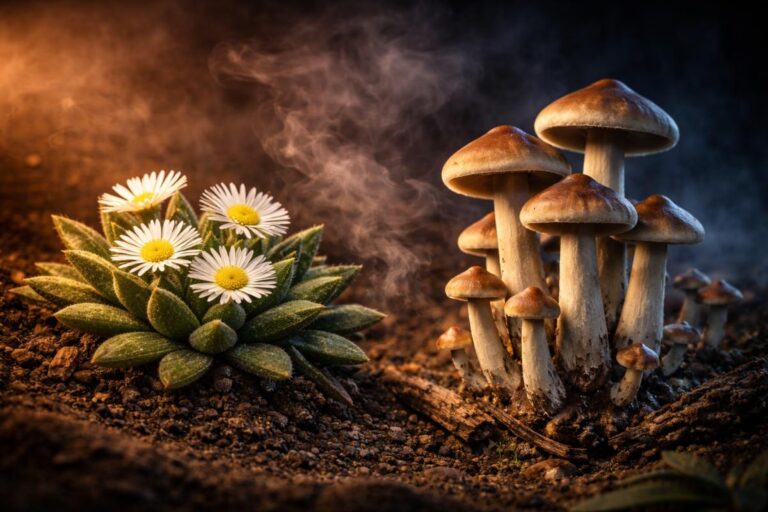
The microdosing conversation has never been more alive. From research labs at Johns Hopkins and Imperial College London to wellness communities across the world, the idea that tiny, sub-perceptual doses of plant medicines can meaningfully shift mental health, cognition, and daily wellbeing is gaining serious scientific traction. Most of that conversation has centred on psilocybin -- and for good reason. But a growing body of research is pointing to something equally interesting: a small South African succulent called Sceletium tortuosum, known as Kanna, that works through entirely different neurological pathways and may serve as a powerful complement to, rather than a substitute for, psilocybin in a conscious wellness practice.
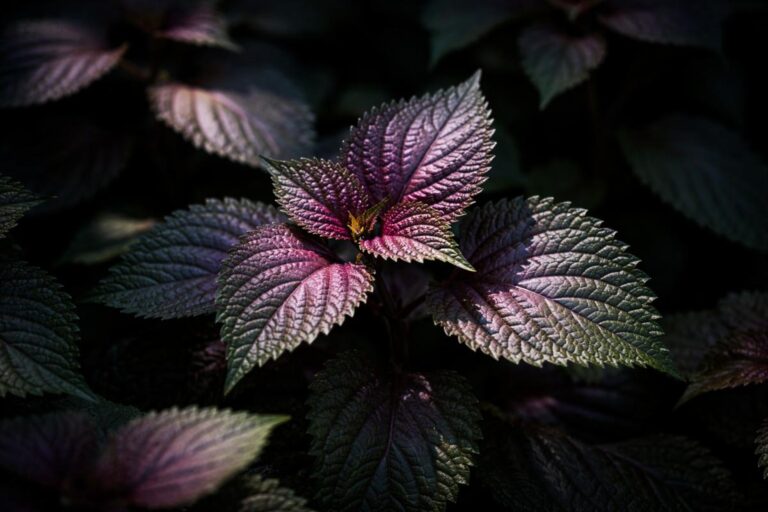
There is a leafy herb growing across Asia right now that contains up to 64% alpha-linolenic acid in its pressed seed oil. That is the highest concentration of plant-based omega-3 fatty acids ever measured in any species. It self-seeds aggressively, requires almost no maintenance, and has been feeding and healing communities continuously for over two thousand years. Its name is perilla. And if you live in the Western world, there is a very good chance you have never once heard of it.
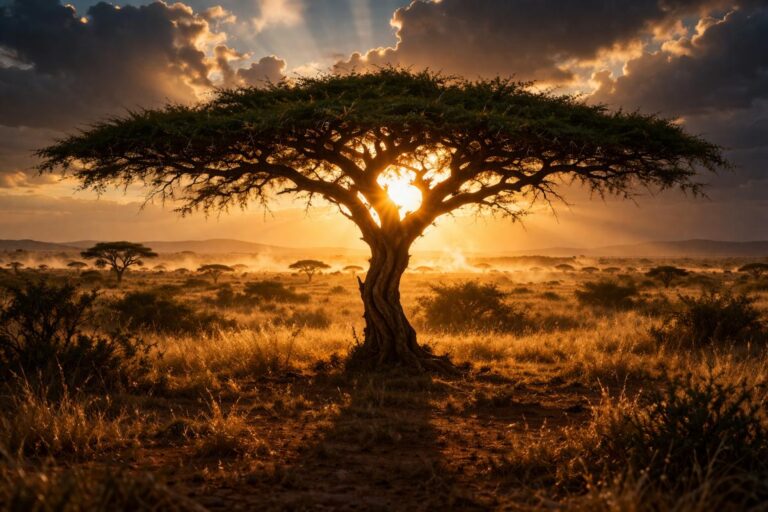
Across the sun-baked savannas and dry woodlands of Africa, a thorny, flat-topped tree grows in conditions that would defeat most other plants. Rooted in cracked, mineral-poor soil and enduring months of drought without complaint, Acacia nilotica, commonly known as the African thorn tree, babool tree, or gum arabic tree, has served as one of the most medicinally rich plants on the continent for thousands of years. Its bark, seeds, leaves, pods, and gum have been used by traditional healers across East Africa, the Sahel, and the Indian subcontinent to address conditions as varied as Type 2 diabetes, stomach ulcers, slow-healing wounds, HPV, and even cancer progression.
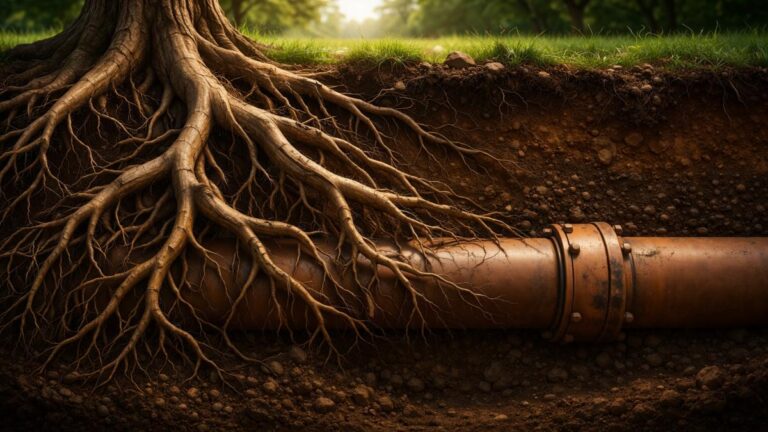
There is a TikTok clip doing the rounds from Hulkroganclips that stops you cold mid-scroll. A researcher calmly explains that plants do not just passively absorb sunlight and water. They have twenty distinct senses. They hear predators approaching. Their roots navigate mazes to reach fertiliser. They remember. They can be rendered unconscious. If that sounds like science fiction layered over spirituality, the remarkable thing is that it is neither. It is peer-reviewed biology, and it is turning our understanding of consciousness inside out.

Astral projection has fascinated consciousness explorers for centuries. Across traditions spanning ancient Egypt, Tibetan dream yoga, and modern metaphysics, the idea that awareness can travel beyond the physical body remains one of the most compelling frontiers of inner exploration. Yet for many people, the practice feels impossibly elusive. Hours of meditation, elaborate visualisations, and carefully structured intention-setting often yield little more than a wandering mind and a stiff back.
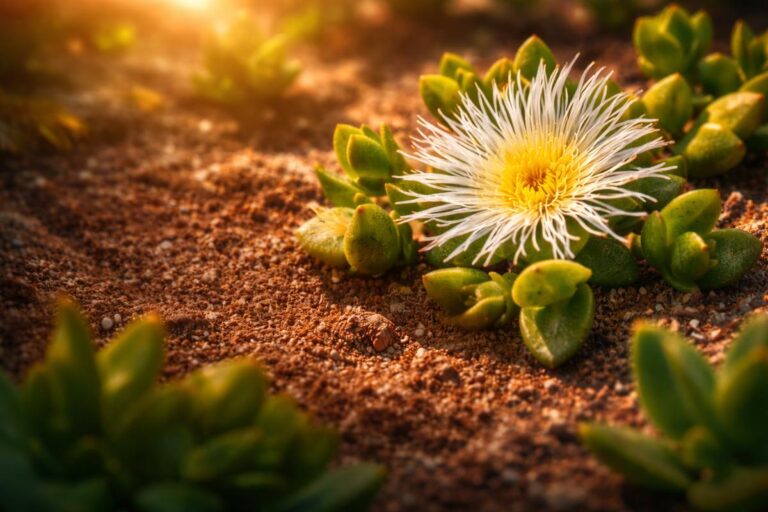
Sceletium tortuosum has been quietly growing in the rocky soils of Namaqualand and the Karoo for millennia, chewed by San hunter-gatherers before long hunts and traded by the Khoikhoi as a plant of extraordinary value. Today, renewed scientific interest and a global wave of curiosity around microdosing are converging on this small South African succulent in a way that feels less like a trend and more like a remembering.

There is a growing body of remembrance, emerging through esoteric scholarship, channelled transmissions, sacred site research, and the felt sense of sensitive people across the globe, that Earth was designed with intention. Not designed the way a product is engineered, but designed the way a library is conceived: as a place of contribution, exchange, and living memory. A space where many different forms of intelligence would deposit their wisdom, their genetic signatures, their creative intelligence, and their songs into a shared field.

There is something quietly profound about making your own medicine. You gather a plant, immerse it in a solvent, and wait. Over weeks, the liquid slowly pulls out the plant's active compounds, its resins, alkaloids, and volatile oils, concentrating them into a few potent drops. Long before the pharmacy existed, herbalists understood that plants hold intelligence. A tincture is simply one of the most reliable ways to unlock it.