Physical Address
304 North Cardinal St.
Dorchester Center, MA 02124
Physical Address
304 North Cardinal St.
Dorchester Center, MA 02124

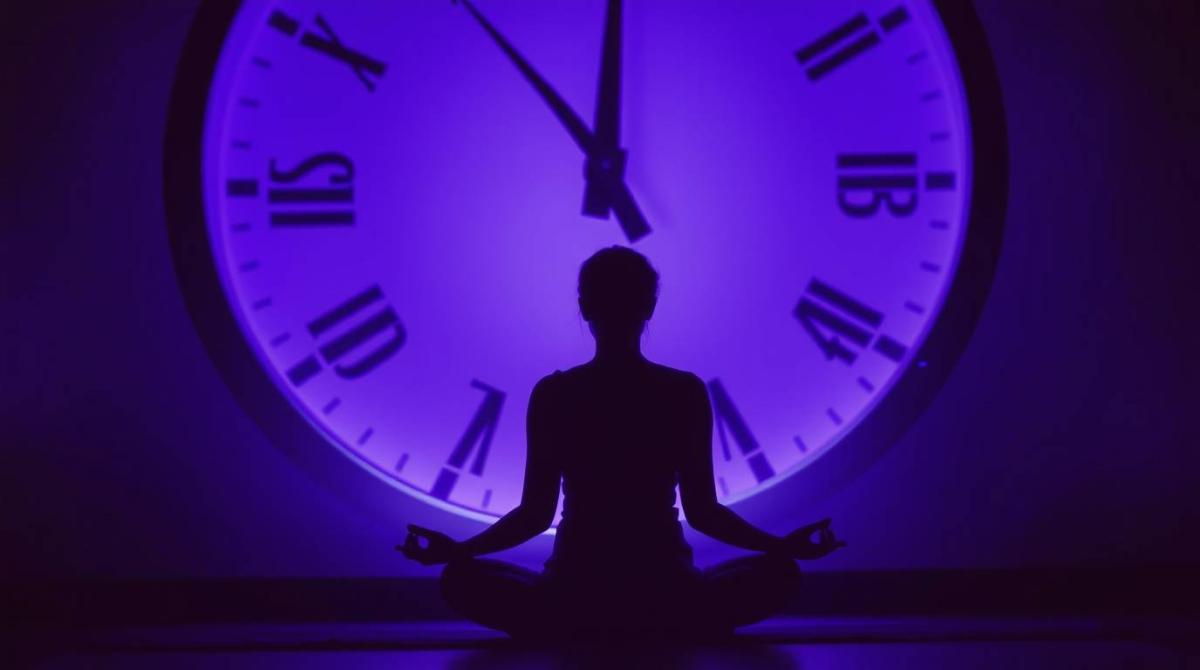
Modern life often feels like a nonstop stream of tasks, messages, and shifting priorities. Many people want the grounding that mindfulness provides but struggle to find time for traditional meditation sessions. Micro mindfulness offers a realistic solution for busy individuals who want mental clarity and emotional balance without adding another lengthy commitment to their calendar. This approach focuses on repeating very short moments of awareness throughout the day. Over time, these small, intentional pauses create meaningful improvements in both mental and physical well being.
Modern life often feels like a nonstop stream of tasks, messages, and shifting priorities. Many people want the grounding that mindfulness provides but struggle to find time for traditional meditation sessions. Micro mindfulness offers a realistic solution for busy individuals who want mental clarity and emotional balance without adding another lengthy commitment to their calendar. This approach focuses on repeating very short moments of awareness throughout the day. Over time, these small, intentional pauses create meaningful improvements in both mental and physical well being.
Micro mindfulness is the practice of bringing full attention to the present moment in brief intervals that range from a few seconds to a couple of minutes. Instead of reserving mindfulness for a quiet room or a meditation cushion, you integrate awareness into the flow of daily routines. This can be as simple as noticing your breath while waiting for a webpage to load or taking a moment to feel your feet on the ground before walking into a meeting. These short practices interrupt autopilot tendencies that keep many people stuck in stress cycles. The goal is to strengthen the brain’s natural ability to return to the present moment, even during demanding activities.
It may seem counterintuitive that very brief sessions can have a significant impact, but research shows that consistency often matters more than duration. When practiced regularly, micro mindfulness stimulates the neural networks involved in attention regulation and emotional control. Repeated engagement of these networks builds stronger pathways, which helps the brain respond more calmly and effectively to stressors. A growing number of studies demonstrate that daily exposure to mindful awareness, even in tiny segments, improves mood, reduces anxiety, and enhances cognitive flexibility. These findings support the idea that mindfulness does not need to be lengthy or complex to be beneficial.
One of the clearest benefits of micro mindfulness is stress reduction. Short breathing practices activate the body’s parasympathetic response, which lowers cortisol levels and softens the physiological effects of tension. This shift is especially helpful for people who operate under constant pressure or experience information overload throughout the day.
A second benefit is improved focus. Frequent micro practices strengthen working memory and attention control, making it easier to stay engaged with tasks and less vulnerable to digital distractions. Over time, this can increase productivity while reducing mental fatigue.
Sleep quality also improves when people incorporate tiny pockets of mindfulness into their evenings. A short moment of breath awareness before bed can quiet racing thoughts and prepare the body for deeper rest.
Emotional resilience is another important outcome. Micro mindfulness teaches the brain to pause before reacting, which leads to more balanced emotional responses and fewer intense mood swings. This effect accumulates gradually and supports healthier communication and interpersonal interactions.
There is also evidence that brief mindful breathing sessions may contribute to modest reductions in blood pressure by relaxing the cardiovascular system. Although these effects are not a replacement for medical treatment, they offer accessible support for overall heart health.
Consider the experience of Maya, a project manager who often felt overwhelmed by meetings and deadlines. Instead of attempting long meditation sessions that never fit into her schedule, she committed to a simple micro practice before each meeting. She closed her eyes for about forty five seconds, breathed slowly into her diaphragm, and released tension on her exhale. Within a month, she noticed that she entered meetings with more confidence and less anxiety. She also found it easier to listen without defensiveness. Her supervisor observed improved collaboration and a calmer communication style, which reinforced Maya’s motivation to continue the habit. Her routine shows how micro mindfulness can fit seamlessly into high pressure environments.
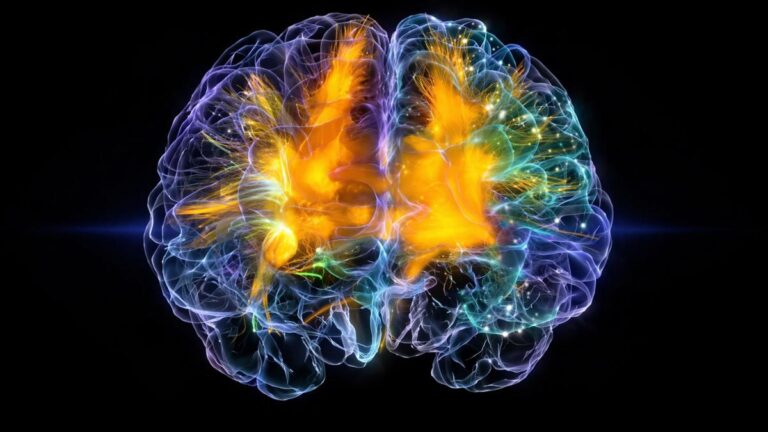
Brain imaging studies have revealed that micro mindfulness activates the anterior cingulate cortex, a region associated with monitoring attention, regulating emotions, and adjusting behavior. Activating this region repeatedly strengthens its connection to the prefrontal cortex, the part of the brain responsible for planning, reasoning, and impulse control. As these connections strengthen, emotional responses become less reactive and more thoughtful. This neural shift does not require prolonged meditation. Instead, it thrives on repetition. Each micro practice functions like a small workout for the brain, gradually encouraging healthier patterns in cognition and behavior.
Many people appreciate micro mindfulness for its flexibility. It can be practiced anywhere and does not require special equipment. Here are several simple ways to integrate it into your routine.
Start the day with a short breath awareness exercise. Inhale for four counts, hold for two, and exhale for six. This sets a calm tone for the morning and supports mental clarity.
During commutes, gently notice the sensory details of your environment. Observe the hum of the engine, the rhythm of your steps, or the subtle changes in temperature. This quiet attention disrupts morning stress and anchors you before work.
Before switching tasks, take one mindful breath and set a clear intention for what comes next. This tiny ritual reduces cognitive clutter and helps prevent burnout.
During meals, focus on taste, texture, and aroma for a few bites. This enhances digestion, increases satisfaction, and builds awareness around eating habits.
End the day by identifying three things that went well. This brief practice strengthens gratitude and calms the mind before sleep.
Digital platforms such as Headspace and Calm offer micro sessions, timers, and reminders that help users maintain consistency. Simple tools like phone alarms or sticky notes can also serve as cues for mindful breathing. Many smartphones include built in focus modes that reduce notifications, which creates ideal environments for brief awareness practices. Rather than competing with mindfulness, technology can become a supportive partner when used intentionally.
Some people believe that mindfulness only counts if it lasts for long periods, but evidence contradicts this assumption. Even a few seconds of presence can reset the nervous system when practiced regularly. Others think they are not capable of mindfulness because they cannot empty their minds. The truth is that mindfulness is not about stopping thoughts. It is about observing them with curiosity and without judgment. Another myth is that mindfulness requires a quiet or perfect environment. Micro mindfulness works best in real life settings where attention is most needed.
Micro mindfulness is a practical bridge between the demands of modern life and the enduring benefits of mindful awareness. It helps reduce stress, supports emotional stability, and enhances mental clarity without requiring large blocks of time. As research continues to unfold, scientists are exploring how these short interventions may support long term cognitive health. For now, the existing evidence is compelling. Tiny moments of intention can reshape the way we navigate our days. Whether you are managing a full workload, caring for a family, or balancing academic demands, micro mindfulness offers a simple path toward greater well being and a more grounded connection to the world around you.