Physical Address
304 North Cardinal St.
Dorchester Center, MA 02124
Physical Address
304 North Cardinal St.
Dorchester Center, MA 02124

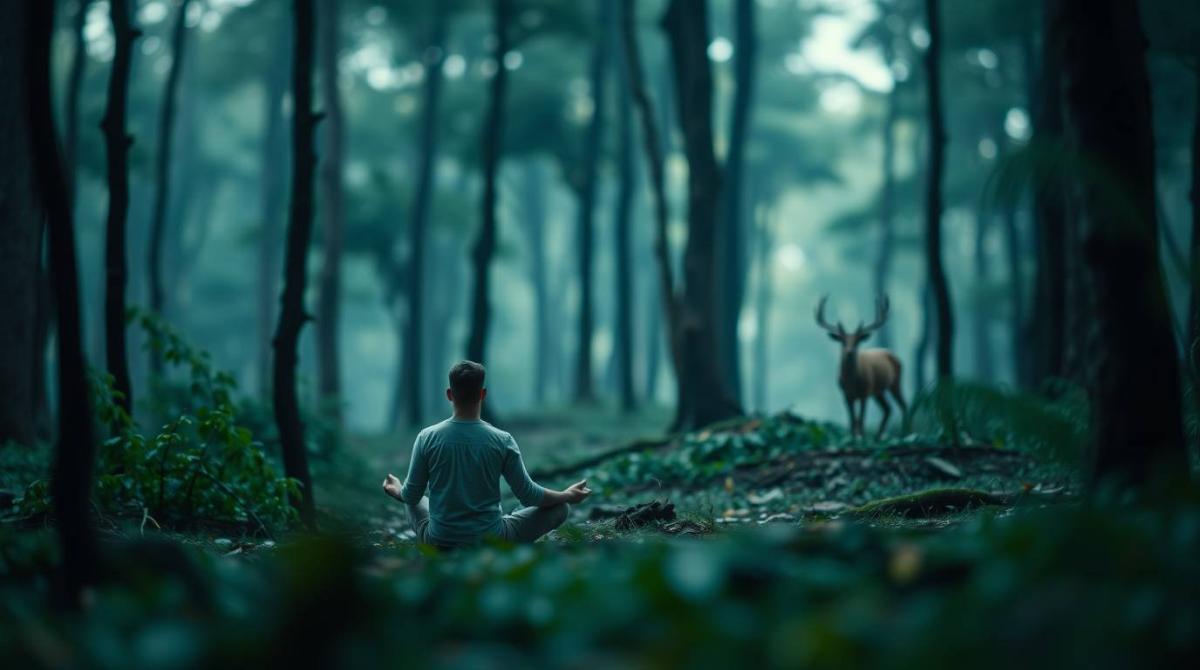
Meditating indoors can sometimes feel like we’re circling back to the same environment. The same cushion on the floor, the same four walls, and the same ambient sounds all set a predictable stage. While this repetitiveness can be grounding, there may come a time when the space no longer ignites the spark of enthusiasm we once felt for our practice. I experienced a sense of stillness in my mind, but it was as if something was missing. In order to reconnect with my practice, I decided to make one simple shift: I took my daily meditation outside. That decision introduced me to a deeper sense of wonder and presence that I had never before encountered. It was as if nature added a layer of sensory awareness that revived my routine and expanded my overall sense of well-being.
Meditating indoors can sometimes feel like we’re circling back to the same environment. The same cushion on the floor, the same four walls, and the same ambient sounds all set a predictable stage. While this repetitiveness can be grounding, there may come a time when the space no longer ignites the spark of enthusiasm we once felt for our practice. I experienced a sense of stillness in my mind, but it was as if something was missing. In order to reconnect with my practice, I decided to make one simple shift: I took my daily meditation outside. That decision introduced me to a deeper sense of wonder and presence that I had never before encountered. It was as if nature added a layer of sensory awareness that revived my routine and expanded my overall sense of well-being.
[Also See: Walking Meditation]
When you think about it, meditating outside makes perfect sense. Most of us use meditation to slow down and create a quiet space for our minds. Nature, with its breeze, sunlight, and subtle hum of wildlife, can serve as a powerful partner in that endeavor. Not only do we benefit from the fresh air, but we also reconnect with where we came from—a world that existed before phone notifications and buzzing electronics. By stepping into an environment shaped by the natural world, we set ourselves up for a fresh perspective that ultimately translates into deeper introspection and a more mindful lifestyle.
One of the most noticeable changes I saw when shifting my practice outdoors was an increased awareness of my breath. The simple act of breathing outside felt invigorating. The air itself seemed different, more vibrant, full of the essential life force that nature provides. In those early morning sessions, I became aware of the wind rustling through the leaves, the sunlight filtering through branches, and the interplay of shadows across the ground. All of these elements contributed to a tangible feeling of connection. I realized that, instead of working to suppress or ignore background noises, I could integrate the natural environment into my ritual, allowing the outdoors to guide me in deeper stillness.
An essential consideration when meditating outdoors is finding the most conducive location for practice. There is no single perfect spot—it depends on personal preference. Some might prefer a secluded corner of a local park; others might create a private space on their balcony or back porch. The idea is to find an environment that is both calm and safe, one where you can relax without worrying about external distractions or interruptions. If you’re someone who thrives in complete quiet, then an isolated part of a garden might be best. If you’re enlivened by the hum of people passing by, a public space could be just fine, as long as you can maintain concentration.
If you’re unsure where to begin, start small. Bring your usual meditation cushion outside and choose a simple spot, like a backyard nook or a nearby bench. Experiment with different times of the day. Early mornings can be especially serene, with fewer human-made noises and a lovely chorus of birds starting their day. Late afternoons can bring warmer temperatures and different sets of sounds like insect chirps or leaves rustling in the wind. By sampling various times and environments, you’ll learn which setting resonates most with your personal meditation goals.
Launching into a regular outdoor meditation routine can feel slightly unfamiliar at first. Below are some practical steps to ease the transition:
These suggestions can help you cultivate a stable, meaningful practice outside, ensuring comfort while fostering a deeper connection with nature. Tailor your approach as needed and remember that meditation is personal—finding what works for you is key.
Embracing an outdoor meditation routine has benefits that extend well beyond the time spent in a seated position. By connecting with the natural world, we can cultivate a deeper sense of gratitude, enhance our ability to remain in the present moment, and bolster both our mental and physical health. There is growing scientific support for the help that nature provides in reducing stress levels and maximizing feelings of well-being. According to the National Institutes of Health (NIH), spending time in green spaces can calm the nervous system and reduce the stress-hormone cortisol levels.
(Source: NIH)
The subtle mental shift triggered by being outdoors often means we carry these effects with us into our everyday lives. Tasks that once seemed dull or monotonous become more manageable when we feel grounded. Conversations feel richer, as we have taken the time to center ourselves beforehand. Even physically, a calm mind translates into reduced tension throughout the body, helping us stand straighter and move more gracefully. This increased self-awareness can be harnessed in our work, during our exercises, and in personal interactions. For me, it became clear that nature had been a missing link—offering a sense of wholeness to my meditative journey that I never realized I lacked.
One of my favorite aspects of outdoor meditation is the invitation to engage your senses in a new way. The scent of the air, the subtle warmth of the sun, the delicate tingle of a breeze on your skin—these elements remind us that everything in life is interconnected. This broadens our understanding of mindfulness, transforming it from a mental effort into a full-body experience. While our eyes may be closed, the rest of our senses open up to receive nature’s gentle currents.
This newfound sensitivity can also highlight our daily habits and patterns. Are we typically aware of the sounds surrounding us, or do we turn a blind ear to them? How often do we note the subtle differences in the sky’s color during sunrise compared to midday? By honing our perception of these details, we learn how to carry mindfulness into routines like walking, eating, and even speaking with others. An outdoor approach to meditation revitalizes our sense of awe and curiosity, encouraging us to discover more about the world and ourselves.
Creating a sustainable meditation practice often hinges on consistency. Whether indoors or out, showing up regularly can deepen your meditative states and help your mind settle more easily. Taking meditation outdoors offers a gentle push that can reinvigorate motivation. When the environment changes, our brains perk up and become more engaged, which can help us stick to a daily or weekly schedule. Setting up habits—like picking a specific time, designating a serene spot, and using a straightforward technique—makes it easier to keep returning, even when life becomes busy.
To sustain the practice, consider pairing meditation sessions with another healthy habit. For example, if you like to run or walk in the morning, you can plan a post-exercise meditation in a nearby park. Alternatively, if you enjoy journaling, you can reflect in a notebook following your outside meditation session. These complementary routines reinforce each other, building momentum toward an overall healthier lifestyle. You might also find it beneficial to use a timer or guided meditation app to keep track of your progress. If you do rely on an app, remember to set notifications to silent so you don’t break your flow.
Meditation is frequently associated with being still and quiet, yet life outdoors is dynamic. Weather changes, animals appear, and people pass by. Rather than viewing these as obstacles, try to see them as gentle nudges to deepen your awareness. When an unexpected sound occurs, note it and let it pass. Reacting to these moments gently—without judgment—helps you practice acceptance. In that sense, outdoor meditation can replicate real life, where things seldom go exactly as planned.
As a result, you might feel more capable of handling life’s surprises with ease. This resilience is part of what makes taking your meditation outside a transformative experience. When tranquility isn’t reliant on absolutely perfect conditions, we become more adaptable in our thoughts, behaviors, and reactions. A study published by the American Psychological Association (APA) points out that mindfulness practices, including meditation, help promote emotional balance and flexible thinking, which are vital skills in challenging times.
(Source: APA)
In all of these ways, nature becomes a teacher. Trees sway and adjust to varying winds. Animals navigate through seasonal shifts. By spending time in the open, we see that flexibility and acceptance are necessary aspects of ongoing growth. This realization can bring a sense of peace that we carry through our daily routines.
Taking meditation outdoors can breathe new life into a practice that may have become routine. Through connection with nature, each session transforms into a unique journey toward presence, creativity, and self-understanding. By choosing the right location, dressing comfortably, and remaining open to new experiences, we can find renewed focus and deeper awareness that will ripple throughout every aspect of life. For those who are feeling uninspired by your usual meditation setting, consider stepping outside. It might spark a profound shift, reframing not just how you meditate, but how you perceive the world around you.