Physical Address
304 North Cardinal St.
Dorchester Center, MA 02124
Physical Address
304 North Cardinal St.
Dorchester Center, MA 02124

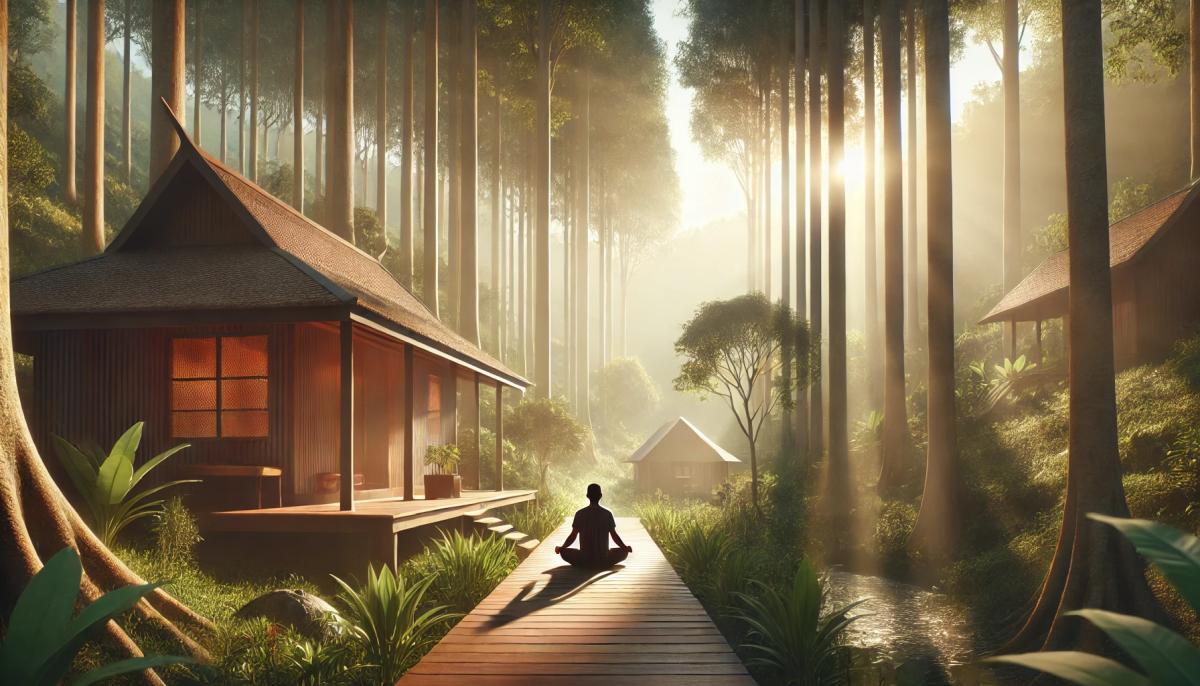
Embarking on a silent meditation retreat is a journey that feels both daunting and exhilarating. Leaving behind the clamor of everyday life to spend seven days in silence offers a unique opportunity for self-discovery, profound clarity, and inner peace. For those journeying inward for the first time, the challenge of confronting your thoughts in complete stillness can feel overwhelming. So, what’s it really like to experience a silent meditation retreat?
Embarking on a silent meditation retreat is a journey that feels both daunting and exhilarating. Leaving behind the clamor of everyday life to spend seven days in silence offers a unique opportunity for self-discovery, profound clarity, and inner peace. For those journeying inward for the first time, the challenge of confronting your thoughts in complete stillness can feel overwhelming. So, what’s it really like to experience a silent meditation retreat?
This article offers a first-hand glimpse into the structure, challenges, and transformative aspects of a 7-day silent retreat. Whether you’re a seasoned meditator or contemplating your first immersive experience, this guide provides insights to help you decide if you’re ready to embrace the silence.
A silent meditation retreat is typically a multi-day experience designed to help participants disconnect from external distractions and reconnect with their inner selves. Guided by skilled teachers, these retreats are built on principles of meditation, mindfulness, and introspection.
During this time, attendees adhere to a strict schedule that often includes extended periods of seated meditation, walking meditation, light physical activities like yoga, and perhaps even lectures on Buddhist philosophy or mindfulness techniques.
The silence, however, doesn’t just mean you refrain from speaking. It often requires you to set aside other forms of communication:
The goal? **To quiet your external world and create a space for deep self-reflection and mindfulness.**
At first glance, a 7-day silent retreat might sound like an intimidating challenge. But the entire experience is thoughtfully structured to guide participants through stages of quietude and awareness. Below, we break down what you might expect during the week:
The first day is often the hardest for those new to silent retreats. The initial period of settling in—surrendering your devices, adjusting to basic accommodations, and taking your first steps into silence—can trigger mental resistance.
You may find yourself questioning the choice to stay, especially as you notice just how much we rely on daily distractions to fill mental space. However, **this discomfort is part of the process**. As one participant noted in a similar retreat experience, “The incessant hum of thoughts eventually starts to feel manageable after the initial wave of overwhelm passes” ([reference](https://www.headspace.com/articles/attending-a-silent-retreat)).
As you begin the second and third days, you’ll notice an avalanche of thoughts clamoring for attention. Old memories resurface. Questions, doubts, and past experiences come to the forefront. This “mental detox” is a common phase where the mind begins to purge emotions, keeping you in a state of **intensity and self-confrontation**.
However, the rigor of the schedule (typically rising before sunrise and meditating for hours) is what helps you endure. Meals are simple, wholesome, and often vegetarian to promote overall purity and balance. Instructors provide occasional teachings or support for managing particularly restless sessions with compassion and discipline.
By the fourth or fifth day, many participants experience what some call a “breakthrough.” The mental chatter begins to quiet, and feelings of profound presence emerge.
What happens when the mind begins to settle?
In short, **there’s a shift from restlessness to mindfulness.**
By the final two days, most participants report feelings of inner calm and acceptance. With the layers of mental noise peeled back, you feel equipped to sit with yourself, even in silence.
Retreats often end with a special session that allows participants to speak for the first time in several days. It’s a surreal transition, where emotions are expressed organically, and connections between attendees are established. The return to the external world feels like stepping out of a sacred cocoon.
While there is no denying the rewards of a silent meditation retreat, it’s also important to be aware of its challenges. Spending time alone with your thoughts—without any form of escapism—can be confronting. Here are a few common hurdles many face:
These moments, though painful, often become the seeds of profound growth.
Ultimately, those who experience a silent retreat report enduring benefits that resonate far beyond the seven days of silence. These include:
As one observer put it, “Emerging from meditation feels like resetting one’s mental and emotional baseline” ([reference](https://tricycle.org/trikedaily/6-valuable-lessons-learned-silent-meditation-retreat)).
If you’re considering taking the plunge, ask yourself some honest questions:
While a silent retreat isn’t for everyone, it can be a deeply transformative experience for those who are ready. Approach it with patience, curiosity, and an openness to let silence work its magic.
A 7-day silent meditation retreat is an opportunity to reconnect with yourself in ways modern life seldom allows. The silence, while initially intimidating, becomes a powerful tool for healing and clarity. Beyond the challenges lie profound moments of realization, freedom, and awakening.
So, are you ready to step into the silence and discover who you are beneath the noise? You might just find more than you imagined.