Physical Address
304 North Cardinal St.
Dorchester Center, MA 02124
Physical Address
304 North Cardinal St.
Dorchester Center, MA 02124

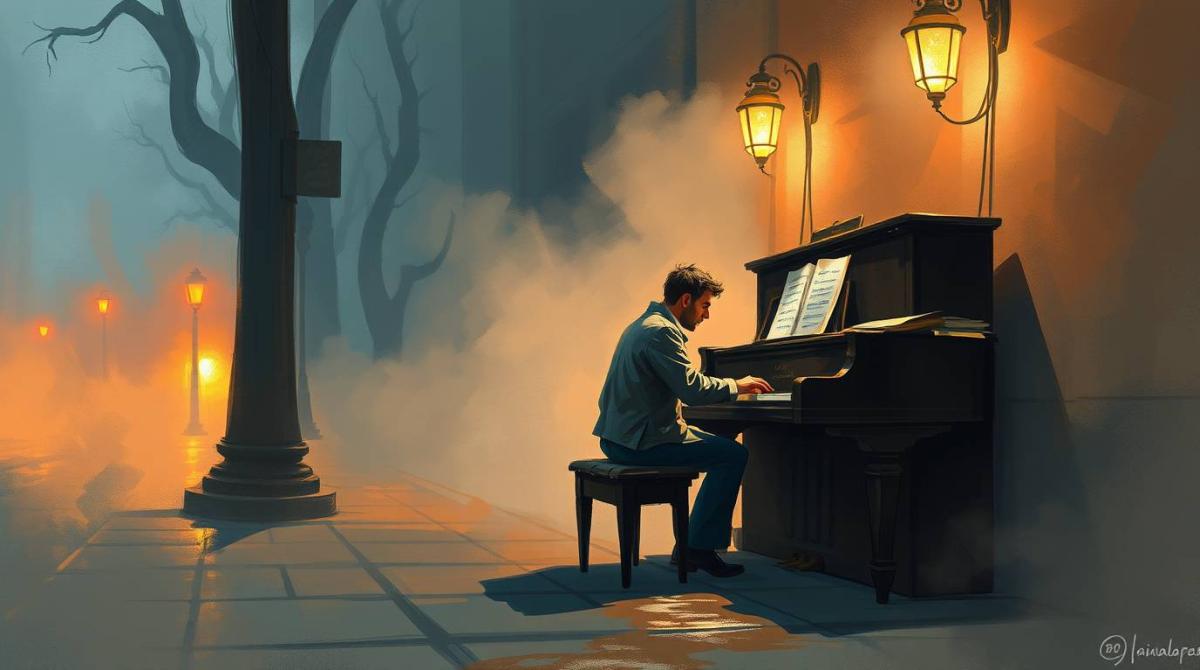
When someone says that music has the power to transform lives, it can sound like a cliché. But in Lancaster, Pennsylvania, the story of one talented individual offers living proof. His journey underscores how melodies can transcend personal struggles, how they can embolden someone to overcome addiction, and how they can transform a life filled with darkness into one reaching toward the light. The story you’re about to read is inspired by the life of Jeremy Matthews—a Lancaster local whose relationship with music helped him find sobriety, purpose, and hope. Even in moments when it seemed like all was lost, behind every piano key lay a new note of resilience and self-discovery.
When someone says that music has the power to transform lives, it can sound like a cliché. But in Lancaster, Pennsylvania, the story of one talented individual offers living proof. His journey underscores how melodies can transcend personal struggles, how they can embolden someone to overcome addiction, and how they can transform a life filled with darkness into one reaching toward the light. The story you’re about to read is inspired by the life of Jeremy Matthews – a Lancaster local whose relationship with music helped him find sobriety, purpose, and hope. Even in moments when it seemed like all was lost, behind every piano key lay a new note of resilience and self-discovery.
According to national data, more than 20 million Americans struggle with substance abuse every year. It’s an omnipresent issue that often goes unnoticed until it affects someone you know, or perhaps you yourself. In Jeremy’s case, he found himself trapped in a downward spiral. Addiction doesn’t discriminate; it can affect anyone, including gifted musicians. Despite having a knack for playing instruments, he discovered that one day he was simply lost, seeking solace through temporary escapes that only caused more pain in the long run.
Jeremy candidly recalls that he felt like he was performing on life’s stage without a clear purpose. He spent hours replaying the same destructive patterns, ironically banging on piano keys in moments of sober clarity yet struggling to hold onto hope. Over time, the torment of addiction grew louder than any music he could create. It was during these darker days that he realized just how much he needed real change.
For some, it’s hitting rock bottom; for others, it happens gradually. Jeremy’s critical moment emerged when he found himself in a haze, having lost nearly everything that mattered—from meaningful relationships to financial security. But he also noticed that every time he listened to a beautiful song or practiced on a piano, that longing to be better seemed to surge within him. The chords reminded him that he still had the capacity to create something worthwhile.
That was the turning point. Jeremy decided to fight his addiction by channeling his energy into what made him feel most alive: music. Observing how his surroundings offered local support was another factor. Lancaster has a tight-knit community and effective programs aimed at helping individuals recover from various dependencies.
Today, many addiction recovery programs incorporate music therapy because it helps people focus their emotions in a more constructive and meaningful way. It’s not just about learning an instrument—rather, it’s about finding a creative release and boosting one’s self-esteem. In Jeremy’s case, sitting behind the piano served as an emotional safe space where he could process feelings of fear, regret, and hope all at once.
According to a resource from the National Institutes of Health (NIH), engaging in creative arts therapies can enhance mood and emotional well-being. Music can provide a channel for expressing oneself in ways words cannot. Particularly for those recovering from addiction, playing or even listening to music can reduce stress levels, encourage more positive thought patterns, and offer a sense of accomplishment. Jeremy’s life is a testament to how this approach can help guide an individual toward healthy self-expression, away from destructive behaviors.
Jeremy realized that performing music—whether it was for a small group of friends, a local audience in Lancaster, or even complete strangers—delivered more than applause. It provided an opportunity to connect genuinely with people. Each performance, however modest, further opened his eyes to the positive impact he could have on others through his art.
Slowly, he started participating in community events—spreading messages of hope, demonstrating the healing potential of music, and bonding with fellow musicians who had trudged down similar paths. The most profound aspect of this experience was the sense of belonging. For someone who once felt isolated by his addiction, returning to a supportive creative community turned out to be crucial in sustaining his sobriety.
At the heart of Jeremy’s story are the people and places of Lancaster, a city that has quietly grown into a hub for artists seeking both self-expression and community support. He discovered that local businesses and nonprofits provided not just therapy or job training, but a spirit of acceptance and encouragement. One might find open mics where amateurs, professionals, and individuals of all backgrounds gather to share their stories.
Jeremy is one of many who stand by the notion that Lancaster’s local support system can even be life-saving for those seeking a fresh start. The area features:
By immersing himself in these local efforts, Jeremy was able to nurture a new lifestyle—characterized by continuous self-improvement and unwavering dedication to helping others in their road to recovery.
When he was at a crossroads in his journey, Jeremy stumbled upon an idea: refurbishing old pianos. Lancaster has a certain charm with its historic buildings, cultural fusion, and strong inclination towards preserving heritage. Jeremy started buying, fixing, and tuning pianos that would otherwise go to waste. The soothing activity of meticulously bringing a piano back to life soon mirrored his own renewal process.
Over time, this hobby evolved into a larger undertaking—providing the instruments to local establishments or even individuals who couldn’t afford their own. Each piano represented a new hope, much like Jeremy’s pursuit of renewed purpose, and occasionally, the new owners of these pianos added their own personal touches, painting or decorating them. Refurbishing pianos also gave him an opportunity to meet more people, build friendships, and raise awareness about addiction recovery.
Many might wonder: does music cure addiction outright? The likely answer is no—there’s no single cure-all for substance dependency. Rather, it’s an integrated process that requires therapy, counseling, community support, and personal commitment. What music can add, however, is a sense of purpose. Jeremy’s experience reminds us that having a passion—something that motivates you when days get tough—can be the difference between giving up and pushing ahead.
Over the past few years, Jeremy has conducted workshops where participants learn basic piano skills. More importantly, these sessions serve to illustrate recovering through self-discipline, creativity, and collaboration with others. This concept is echoed in various support centers nationwide, including the American Addiction Centers, which underscore the importance of peer support and engaging activities in the journey to sobriety.
One of the proudest moments in Jeremy’s life came when he finally reached one year of sobriety, surrounded by a small gathering of family, friends, and fellow musicians in Lancaster. They listened to him perform on a piano he had refurbished himself. When he finished, they erupted into applause that resonated in the room, not just for the captivating composition, but for the narrative of hope it symbolized.
Since then, Jeremy has taken part in multiple community outreach programs and charitable events. These milestones, he says, serve as reminders that life offers second chances, if only you choose to pursue them. He’s begun collaborating with other local artists who have turned their own struggles into catalysts for creative achievements.
Still, Jeremy doesn’t consider his path complete. In his own words, sobriety is a constant process. Just as musicians must continuously practice their craft to maintain or improve, individuals in recovery must consistently work on their personal growth. Each slip on a piano key serves as a reminder that with patience and commitment, mistakes can turn into mastery.
Every day brings Jeremy the chance to create something new, whether it’s a tune he’s never heard before, a life lesson he’s only just discovered, or a connection with someone who feels inspired by his story. While Lancaster provided him a stage where compassion and community converge, the real performance—a life of recovery and resilience—unfolds within him, one day at a time.
Ultimately, Jeremy’s story resonates with anyone who has struggled to find their way out of addiction, heartbreak, or depression. Life’s most challenging circumstances sometimes require a profound shift in both mindset and habits. For Jeremy, that shift involved turning anguish into art, and isolation into collaboration—all through the power of music. The vibrant spirit of Lancaster not only embraced his dream but amplified his resolve. In the same spirit, anyone grappling with a tough situation can find solace in creative pursuits, supportive communities, and, most importantly, the unspoken conversations sparked by a simple melody.
Through these sounds and stories, we discover that real human connection—through every chord and every conversation—can drive us forward even when we can’t see where the path ends. If you or someone you know is going through a similar situation, remember that help is out there. Recovery can be both an internal quest and a communal effort, and as Jeremy’s story shows, we all have the strength to compose a better life.