Physical Address
304 North Cardinal St.
Dorchester Center, MA 02124
Physical Address
304 North Cardinal St.
Dorchester Center, MA 02124


Do you find yourself feeling overwhelmed in crowded places? Do you seem to absorb the emotions of everyone around you like a sponge? If so, you might be one of the estimated 160 million people worldwide who possess the unique trait of being an empath.
Do you find yourself feeling overwhelmed in crowded places? Do you seem to absorb the emotions of everyone around you like a sponge? If so, you might be one of the estimated 160 million people worldwide who possess the unique trait of being an empath.
Empaths possess a profound ability to sense and absorb the emotions and energies of those around them. This goes far beyond simple empathy—the capacity to understand another person’s feelings. Empaths often feel these emotions as if they were their own, making them akin to “emotional sponges” who soak up both the joys and stresses of the world.
This deep attunement can be an incredible gift, fostering deep connections and compassion, but it also comes with significant challenges. Before we explore what defines an empath and how this trait manifests, let’s discover if you might be one yourself.
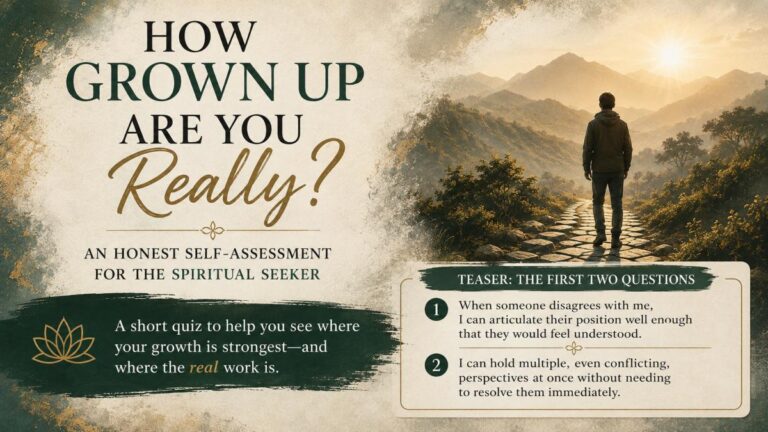
Answer these 20 questions honestly to explore your empathic tendencies. There are no right or wrong answers—just be true to yourself!
16-20 “Yes” answers: You’re likely a full-blown empath with strong empathic abilities.
11-15 “Yes” answers: You have strong empathic tendencies.
6-10 “Yes” answers: You have moderate empathic tendencies.
1-5 “Yes” answers: You are partially empathic.
Remember: This is an informal assessment, and “empath” is not an official psychological diagnosis.
An empath possesses a unique characteristic of deep emotional connection, often feeling others’ emotions as if they were their own. While “empath” is not an official psychological term, it stems from an enhanced ability to understand another person’s feelings from their point of view.
Scientific Insight: This phenomenon is often linked to mirror neurons—specialized brain cells that allow us to "mirror" others' emotions. Research suggests empaths may have more active mirror neurons, along with heightened activity in the prefrontal cortex, which is vital for emotional processing.Empathy isn’t a monolithic trait; it manifests in various ways. Here are the primary types:
Cognitive Empathy: The intellectual ability to identify what someone else is feeling without necessarily experiencing it personally.Emotional Empathy: The ability to feel someone else's emotions as your own—if a friend is happy, you feel that same happiness intensely.Compassionate Empathy: Not only understanding and feeling another's emotions but also feeling compelled to help someone in need.Animal Empaths: Deeply empathic to animals and their well-beingPhysical Empaths: Highly sensitive to others' physical pain, sometimes experiencing symptoms themselvesPsychic Empaths: Those with intuitive insights into others' thoughts and emotionsPsychometric Empaths: Can sense energy from objects or placesWhile empathy is generally positive, it can be manipulated. A “dark empath” uses cognitive empathy for personal gain, often at others’ expense. These individuals can intellectually identify feelings but lack genuine compassion.
Warning Signs: Dark empaths are often emotionally detached, manipulative, and employ harmful tactics like gaslighting and lovebombing. They may appear highly empathic to lure others in, creating false understanding to control and exploit.
Deep Relationships: Excel as friends and partners due to profound understandingNatural Caregiving: Instinctively sense when others need helpHeightened Intuition: Strong gut feelings help make positive decisionsCreative Expression: Deep emotions inspire profound creativityNature Connection: Feel profound bonds with the natural worldEmotional Overwhelm: Constant absorption leads to exhaustion and burnoutBoundary Issues: Difficulty saying no or limiting involvementSensory Overload: Overwhelmed by crowds, noise, and stressSocial Isolation: May withdraw to recover from overwhelmEmotional Confusion: Hard to distinguish own feelings from others'For empaths, effective self-care is paramount to managing unique sensitivities and preventing burnout:
Emotion Labeling: Learn to identify and differentiate between your emotions and others'Boundary Setting: Establish clear limits and practice saying "no" to energy-draining requestsRegular Recharge: Spend time alone, connect with nature, and maintain calming spacesSupportive Relationships: Surround yourself with people who reciprocate supportMindfulness Practices: Use meditation and mindfulness to stay groundedIf you don’t identify as an empath but wish to develop more empathy, it’s a skill that can be cultivated.
Practice Active Listening: Focus completely on what others are saying, including nonverbal cuesPerspective-Taking: Actively try to understand others' viewpoints by imagining their situationDiverse Engagement: Read fiction exploring different cultures or talk to people with different experiencesPhysical Connection: Appropriate eye contact and touch increase bonding and empathyMindful Communication: Stay present and express feelings without blameBeing an empath is a unique way of experiencing the world, marked by profound emotional depth and strong connections to others. While it presents challenges, understanding this trait and implementing effective self-care strategies can transform it into a powerful asset.
Whether you’re a full-blown empath or someone looking to cultivate more empathy, remember that this trait contributes to deeper relationships and a more compassionate world. The key is learning to harness this gift while protecting your own emotional well-being.
Remember: Your sensitivity is not a weakness—it’s a superpower that needs proper care and boundaries to flourish.