Physical Address
304 North Cardinal St.
Dorchester Center, MA 02124
Physical Address
304 North Cardinal St.
Dorchester Center, MA 02124


Meditation has long been praised for its ability to reduce stress, enhance mindfulness, and bolster emotional well-being. Now, a recent study has revealed groundbreaking insights into the brains of meditators, shedding light on how practicing meditation affects brain structure and connectivity. Whether you're a seasoned practitioner or a curious beginner, these findings may inspire you to make meditation an integral part of your daily routine.
Meditation has long been praised for its ability to reduce stress, enhance mindfulness, and bolster emotional well-being. Now, a recent study has revealed groundbreaking insights into the brains of meditators, shedding light on how practicing meditation affects brain structure and connectivity. Whether you’re a seasoned practitioner or a curious beginner, these findings may inspire you to make meditation an integral part of your daily routine.
Scientists have discovered that regular meditation has a profound impact on the brain. According to recent research, individuals who consistently meditate exhibit changes in brain structure and function—changes that appear to support cognitive health over the long term. These discoveries are an exciting step forward in understanding how meditation works on a neurological level.
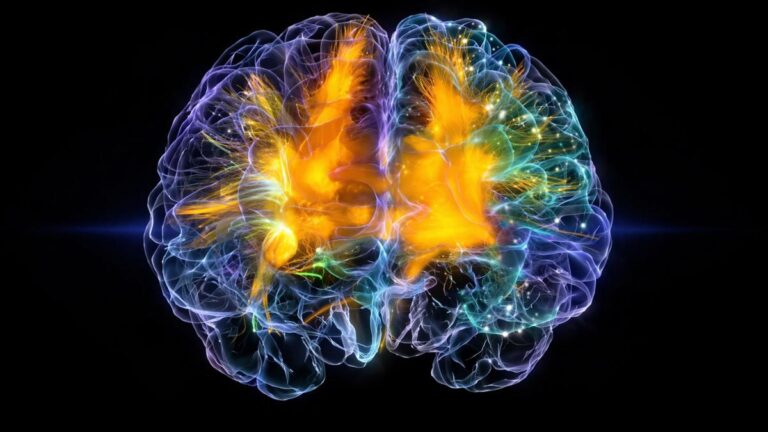
One of the most remarkable findings of the study is that meditators tend to have a thicker cortex. This part of the brain is responsible for functions such as attention, memory, and decision-making. The thickening of the cortex is believed to result from the “neuroplasticity” triggered by regular meditation—essentially the brain’s ability to rewire itself based on repeated mental habits.
This exciting discovery suggests that meditation could be a natural tool to combat cognitive decline and promote mental sharpness as we age!
Another critical finding is enhanced connectivity between brain regions. Meditation appears to improve communication between the prefrontal cortex—the part of the brain associated with higher-order brain functions—and other areas of the brain. Such strengthened brain networks can reinforce emotional regulation, creativity, and problem-solving abilities.
By enhancing these neural pathways, meditation could help people develop not just emotional resilience but also a more robust ability to tackle real-world challenges.
If you’ve ever debated whether to embrace meditation, these new findings provide compelling evidence of its benefits—not just for mindfulness but for actual brain health. These changes in brain structure and function demonstrate that meditation is far more than a feel-good practice. Rather, it has the potential to transform the physical architecture of the brain itself.
Beginners won’t have to wait years to see the benefits of meditation. Research consistently shows that meditation can produce measurable changes in the brain in as little as a few weeks of regular practice.
By starting small and staying consistent, anyone can begin their journey toward enhanced mental clarity, emotional balance, and improved brain health.
For experienced meditators, this new research validates what many have experienced firsthand: the longer you meditate, the greater the benefits for your brain. Seasoned practitioners often report improved focus, reduced reactivity, and a pervasive sense of calm—all feelings that now appear to correlate with measurable changes in brain function.
These cumulative benefits make meditation a lifelong practice worth cultivating.
The field of meditation research is evolving rapidly. While early studies focused on meditation as a tool for relaxation, newer research is uncovering its deeper, long-term impact on both the mind and body. Breakthroughs like the findings mentioned here invite more scientists to investigate meditation’s mysteries.
Although the existing research is promising, scientists agree on the importance of conducting further studies. Key areas requiring deeper exploration include:
As more research emerges, we can expect to gain additional insight into the holistic benefits of meditation for mental and physical health.
For more information on how meditation improves mental health, consider checking out Healthline’s article on meditation benefits.
Want to start meditating but not sure how? Follow these tips to make meditation a seamless part of your everyday life:
New research reaffirms what many meditators already know: this ancient practice isn’t just about relaxation—it has powerful implications for brain health and personal well-being. With benefits ranging from a thicker cortex to better emotional regulation, meditation is a practice worth embracing for people of all ages.
If you’re ready to start reaping these benefits, there’s no better time to dive in than now! With just a few minutes of daily practice, you could be well on your way to a healthier, happier brain.
For even more ways to improve your mental health, consider reading Mindful’s guide on how to meditate.
“`