Physical Address
304 North Cardinal St.
Dorchester Center, MA 02124
Physical Address
304 North Cardinal St.
Dorchester Center, MA 02124


Meditation has long been associated with mental clarity and emotional tranquility, but modern research is uncovering a surprising truth: meditation doesn't just calm the mind — it transforms the body. From immune response to cellular aging, meditation is proving to be a powerful tool for enhancing physical health and supporting long-term well-being. Here's how incorporating meditation into your daily routine can literally change your biology.
Meditation has long been associated with mental clarity and emotional tranquility, but modern research is uncovering a surprising truth: meditation doesn’t just calm the mind — it transforms the body. From immune response to cellular aging, meditation is proving to be a powerful tool for enhancing physical health and supporting long-term well-being. Here’s how incorporating meditation into your daily routine can literally change your biology.
Science is beginning to validate what many ancient traditions have known for centuries — that the mind has incredible influence over the body. Whether it’s mindfulness meditation, guided visualization, or breath-focused techniques, regular practice can impact how our cells function and how our body responds to stress.
Meditation directly influences the body’s inflammatory response system. Chronic stress activates the release of stress hormones like cortisol, which can trigger inflammation — a common denominator in many chronic illnesses including heart disease, arthritis, and diabetes.
Studies from respected institutions like Harvard University have found that individuals who engage in regular meditation exhibit significantly lower stress-induced inflammation levels — essentially helping their bodies become more resilient to everyday stressors.
One of the most remarkable benefits of meditation is its ability to bolster the immune system. This isn’t just about fewer colds in the winter. A strong immune system is foundational to good health, protecting the body against bacteria, viruses, and even cancerous cells.
One study at UCLA found that individuals who practiced meditation daily had healthier cell aging markers compared to non-meditators.
The connection between meditation and heart health is no longer just anecdotal. Meditation can serve as a complementary strategy in reducing heart disease risks and controlling blood pressure, one of the leading causes of preventable death in the world.
According to the American Heart Association, incorporating meditation can be as effective for high blood pressure as lifestyle interventions like diet and exercise. It offers a sustainable, non-pharmacological solution many people are now turning to.
Heart rate variability — the variation in time between heartbeats — is an important biomarker for cardiovascular and emotional health. High HRV is associated with better stress regulation and overall fitness.
This can be deeply beneficial not just for athletes, but also for anyone managing chronic illness or working in high-pressure environments.
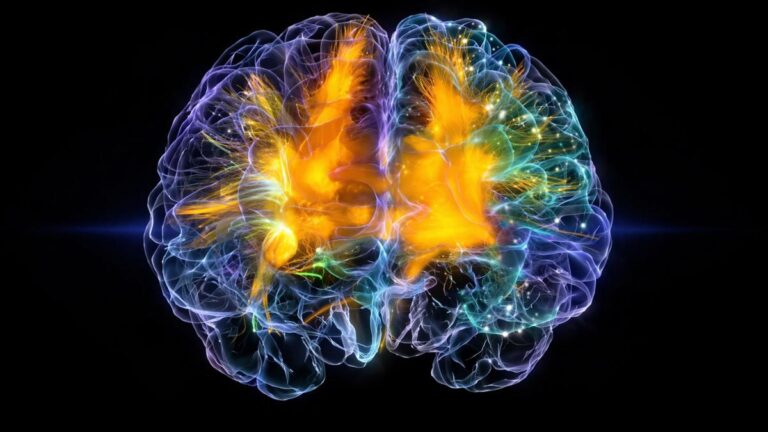
The brain is the command center for hormone production, and meditation reshapes neural pathways involved in regulating our hormonal balance, emotional control, and cognitive function.
High levels of cortisol — the “stress hormone” — are linked to weight gain, mood disorders, insomnia, and even immune suppression. Meditation has been shown to reduce cortisol levels significantly.
Meditation increases the levels of “feel-good” neurotransmitters such as:
Enhanced levels of these neurotransmitters not only improve mental health — but also create physical benefits including reduced muscle tension, lower heart rate, and slower breathing patterns — all tied to longevity and wellness.
Our cells are structured to divide and die off in a process that ultimately determines our lifespan. At the end of each chromosome are telomeres, protective DNA sequences whose length is directly tied to aging. Shorter telomeres signify early cell aging and increase disease risk.
You don’t need to retreat into the mountains or attend a week-long silent retreat to reap the benefits of meditation. Just a few minutes each day can begin to shift your biological and physiological baseline. Here are some simple steps to get started:
The transformative impact of meditation doesn’t stop at mental peace. Science strongly supports the idea that regular meditation alters key physiological processes — reducing inflammation, balancing hormones, enhancing heart and immune function, and slowing the aging clock at a cellular level.
As more research continues to unfold, what we’re seeing is clear: meditation isn’t just a spiritual tool — it’s biological medicine. A prescription without side effects, available to everyone, anytime, anywhere.
Want to dive deeper into the science? Take a look at this insightful article from Psychology Today on how meditation changes the brain.
As this mind-body connection becomes a cornerstone of future healthcare practices, adding meditation to your wellness toolkit may be one of the most impactful health decisions you’ll ever make.