Physical Address
304 North Cardinal St.
Dorchester Center, MA 02124
Physical Address
304 North Cardinal St.
Dorchester Center, MA 02124

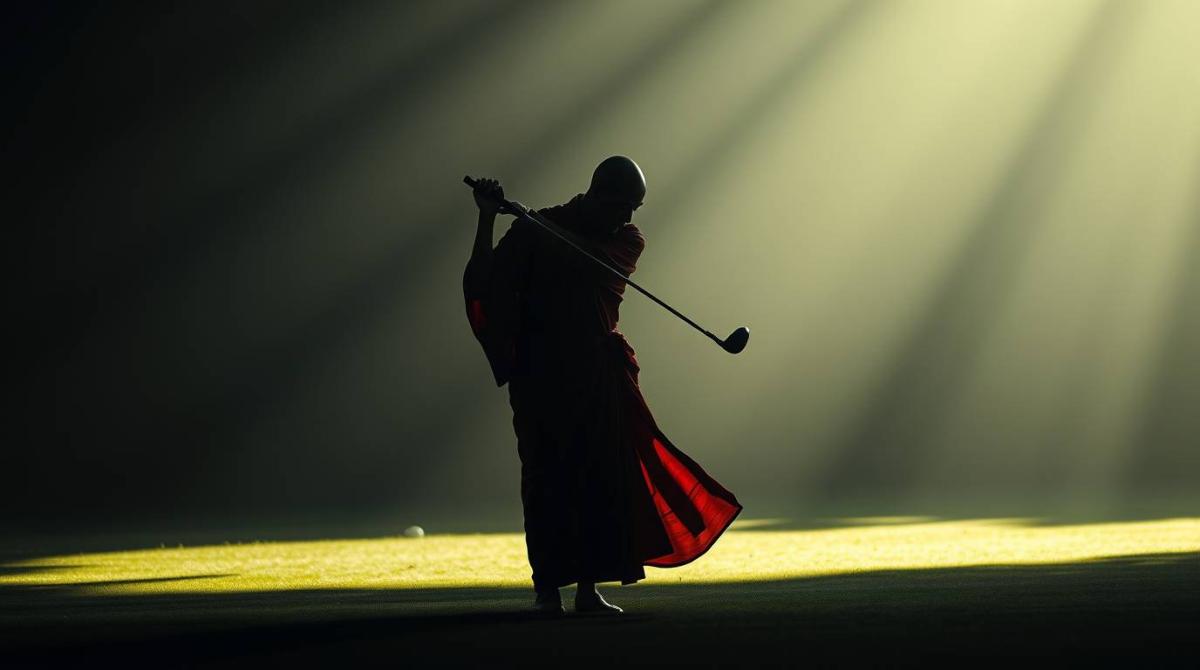
For many golf enthusiasts, the British Open (often referred to simply as The Open) is a grand stage where athletic prowess, mental grit, and years of practice converge. Yet, among the world-class competitors and dedicated followers of the sport, one figure captured widespread attention for reasons that extend far beyond the usual skill or star power. An ordained Buddhist monk, Sadom Kaewkanjana, known for his unwavering calm and mental fortitude, highlighted the tremendous impact of meditation on high-stakes golf. This unique blend of contemplative practice and championship-level sport offers a fresh perspective on how an unshakable mindset can revolutionize performance.
For many golf enthusiasts, the British Open (often referred to simply as The Open) is a grand stage where athletic prowess, mental grit, and years of practice converge. Yet, among the world-class competitors and dedicated followers of the sport, one figure captured widespread attention for reasons that extend far beyond the usual skill or star power. An ordained Buddhist monk, Sadom Kaewkanjana, known for his unwavering calm and mental fortitude, highlighted the tremendous impact of meditation on high-stakes golf. This unique blend of contemplative practice and championship-level sport offers a fresh perspective on how an unshakable mindset can revolutionize performance.
By weaving together long hours of meditation, mindful breathing, and disciplined study in the monastery, this Buddhist monk-turned-golfer illustrates the incredible adaptability of human focus. Not only did his mental training help maintain composure on the course, but it also revealed how spiritual discipline can be harnessed for powerful, practical applications in everyday life. If you have ever wondered how mindfulness can impact your athletic goals – or even your day-to-day tasks – read on. Below, we will explore the journey of a Buddhist monk at the British Open, the foundations of mindful golf, and how to unlock the transformative benefits of meditation in any high-pressure setting.
While most top-tier golfers begin honing their swings in childhood academies or suburban golf clubs, our subject took a significantly different route. Spending years in a Buddhist monastery, Sadom was ordained in a tradition that places immense importance on silent reflection, spiritual teachings, and ascetic living. This background might appear, at first glance, to have little in common with professional golf. Yet the connection is much stronger than you might suspect.
Contemplative practices in Buddhism often center on cultivating mindfulness – the focused awareness of one’s thoughts, emotions, and physical sensations. Instead of being carried away by mental chatter, a practitioner of mindfulness learns to gently acknowledge inner experiences and then let them go. This self-regulation of mental and emotional states is precisely what a golfer needs to remain calm and collected in the face of punishing wind, unpredictable terrain, and the inevitable anxiety of competing at an elite event like The Open.
Additionally, the deep compassion and empathy taught in Buddhist practice bring heightened awareness of shared humanity. When the stakes are high and every swing counts, maintaining a sense of gratitude and kindness – toward the crowd, fellow players, and even oneself – can defuse fear and encourage a more joyful approach to the game. According to The Register-Herald, Sadom’s experiences exemplify how a calm center grounded in compassion can add a new layer to a competitive edge.
In golf, concentration is the name of the game. Each shot demands intense focus and precise body mechanics. Timing, posture, grip, and swing trajectory must all align perfectly – often during pivotal moments when nerves threaten to take over. This is where mindfulness becomes a crucial ally:
The synergy of these benefits underscores why mindfulness, once considered an esoteric or strictly spiritual pursuit, is now championed by elite athletes from various sports. Whether one was once a Buddhist monk or a weekend golfer, the mental discipline inherent in steady meditation offers a distinct advantage – especially when every single stroke matters.
Before sunrise, many Buddhist monks begin their day with silent meditation, prostrations, or chanting. These rituals serve to direct their consciousness inward, eradicate restless mind states, and promote a sense of equanimity. For an athlete, adding such structured rituals before competitions or training can offer stability amidst the chaos of a busy tournament schedule.
In addition to seated meditation, simple tasks – such as preparing tea or walking – are approached mindfully. Moments that seem mundane take on a deeper significance when done with full attention. Translating this to the golf course, every step up to the ball, every practice swing, and every breath between shots becomes an invitation to cultivate unwavering awareness. Refined over months and years, this capacity to bring mindful composure to each action is a powerful asset indeed.
Golf is as much a mental game as it is a physical one; small lapses in judgment can undo hours of stellar swings. While it is true that raw talent and mechanical precision are indispensable, the difference between a talented amateur and a top-tier professional often lies in the strength of their mental game. Here is where our Buddhist monk’s story stands out: he spent years away from the usual rigors of athletic training, but by devoting himself to a meditative discipline, he developed skills that typically take players decades to refine.
Over time, this heightened body-mind harmony nurtures a type of inner momentum – a virtuous cycle of staying calm, delivering high-quality shots, and maintaining the confidence that each stroke will yield the best possible result. Interestingly, these skills extend far outside the sporting realm. Anyone can utilize meditative techniques to improve their focus in everything from studying for an exam to managing a stressful career.
You do not need to become an ordained monk to benefit from the practice of meditation. Incorporating a few mindful techniques into your training routine can amplify clarity and performance. Consider introducing some of the following practices:
The story of a Buddhist monk carrying a legacy of meditative prowess onto the world stage of the British Open reminds us that true mastery is as much about mental discipline as it is about technical skill. By internalizing lucid focus, emotional resilience, and a foundational sense of compassion, individuals can unlock new dimensions in their pursuits – be they professional golf or everyday challenges.
If you are curious to discover more about the transformative impact of meditation on sports, you might explore additional resources such as Mindful.org, which offers insights on applying mindfulness to athletic endeavors. In the end, whether you aspire to compete at an elite level or simply want to elevate your weekend round of golf, mindfulness offers a gateway to richer experiences and enhanced performance. As the experiences of a once-quiet monk turned Open competitor reveal, the mental game can indeed be the strongest club in your bag.
So the next time you step onto the tee, consider drawing a slow, calming breath and bringing your full awareness into that single moment. You might just find that what you gained from the stillness of meditation translates into the sharpest, most balanced version of yourself – both on and off the course.