Physical Address
304 North Cardinal St.
Dorchester Center, MA 02124
Physical Address
304 North Cardinal St.
Dorchester Center, MA 02124

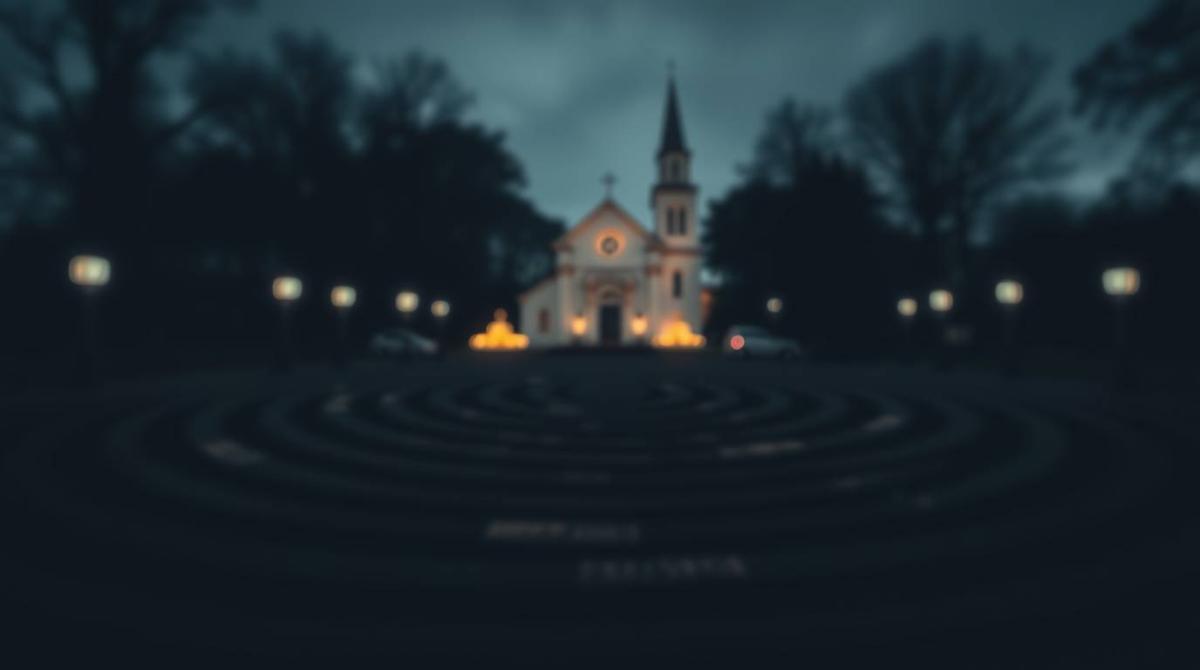
In a calming corner of Gainesville, Florida, spiritual leaders and volunteers have come together to create something both ancient and profoundly relevant to today’s fast-paced world—a beautiful, outdoor labyrinth designed exclusively for prayer and meditation. The project, spearheaded by the First Presbyterian Church of Gainesville, aims to serve as a sacred space where individuals from all walks of life can pause, reflect, and reconnect with themselves and their spirituality.
In a calming corner of Gainesville, Florida, spiritual leaders and volunteers have come together to create something both ancient and profoundly relevant to today’s fast-paced world—a beautiful, outdoor labyrinth designed exclusively for prayer and meditation. The project, spearheaded by the First Presbyterian Church of Gainesville, aims to serve as a sacred space where individuals from all walks of life can pause, reflect, and reconnect with themselves and their spirituality.
Nestled near the church grounds, the labyrinth offers a unique alternative to traditional forms of worship and mindfulness, serving as an open invitation to both the devout and the curious to experience the healing power of contemplative walking.
Unlike a maze, which is intended to confuse or challenge the walker, a labyrinth provides a single, non-branching path that leads to a center point and then back out again. This ancient design has been used for thousands of years by cultures around the world—from ancient Greece to medieval France—as a tool for meditation, prayer, and inner clarity.
According to Reverend Robert Shettler, senior pastor at First Presbyterian Church, the outdoor labyrinth in Gainesville was born out of a collective desire for a permanent, peaceful space where individuals could come for solitude, guidance, or simply a break from the noise of everyday life.
“We live in an incredibly fast-paced world,” Shettler shared. “The labyrinth offers a way to slow down, to be intentional in our spiritual lives, and to listen without the distractions we typically face.”
Drawing inspiration from the Chartres Cathedral labyrinth in France, the Gainesville version features a classic seven-circuit design. Volunteers spent weeks meticulously planning and building the labyrinth using environmentally friendly materials that harmonize with the surrounding landscape.
The church’s labyrinth has quickly become a focal point for healing and reflection in the Gainesville community. Open to the public daily from sunrise to sunset, the space is designed for quiet walking and meditation. It’s already drawing interest beyond the congregation, welcoming:
Church leaders are also using the labyrinth for guided prayer sessions, meditative walks during services, and even grief counseling. Whether you’re facing a major life decision, mourning the loss of a loved one, or simply seeking quiet, this sacred spiral invites you to walk, breathe, and reconnect.
What sets this project apart is how deeply it was embraced by the church and local community.
From sketching blueprints to planting greenery around the path, volunteers of all ages contributed to building the labyrinth. The project was supported by donations, local funding, and hours of labor from members who felt personally connected to the idea of creating a spiritual sanctuary for all.
As part of its long-term plan, the church hopes to expand the site with:
The timing of the labyrinth’s unveiling is no coincidence. In a post-pandemic world marked by uncertainty, anxiety, and isolation, people are seeking new ways to find peace and meaning. Labyrinth walks have been shown to reduce stress and increase mindfulness. In fact, a study from Psychology Today suggests that labyrinth walking “can be as calming and centering as meditation,” especially for people who struggle with traditional seated practices.
Additionally, the trend toward outdoor worship and socially distanced spiritual activities has contributed to the growing popularity of labyrinths in church communities across the United States. For more on this wider trend, check out this NPR article on the rise of outdoor worship practices.
One of the most remarkable aspects of the Gainesville labyrinth is its inclusivity. While initiated by a Christian church, the space itself is not limited by religious doctrine.
Reverend Shettler emphasizes, “The labyrinth is a gift to the entire community. Whether someone is Christian, Jewish, Buddhist, spiritual but not religious, or even atheist—everyone is welcome to walk here.”
This inclusive approach reflects a growing interfaith trend among spiritual communities who are choosing to open spaces, rather than divide them.
If you’re in the Gainesville area and would like to walk the labyrinth, visiting is easy. Here’s how to enjoy this thoughtfully designed spiritual experience:
Visitors are encouraged to walk slowly, take deep breaths, and follow their own rhythm. Whether you walk the labyrinth intuitively or with intention (such as a prayer, question, or mantra), the experience is designed to leave you more grounded and refreshed.
In a world that often feels chaotic and overwhelming, the introduction of a simple, accessible, and serene space like the Gainesville labyrinth is a meaningful reminder of what matters—reflection, inner silence, and connection. It’s a small but powerful way one community is responding to the universal longing for peace, purpose, and presence.
As interest grows, Gainesville’s labyrinth is poised to become a cherished part of the city’s spiritual, emotional, and cultural fabric—open to anyone in search of a quiet, winding path inward.
For readers interested in learning more about labyrinths and their role in spiritual and psychological healing, visit the Labyrinth Society for a wealth of resources and global connections.
Have you walked a labyrinth before? Share your story in the comments below or plan your visit to Gainesville’s newest sacred sanctuary.