Physical Address
304 North Cardinal St.
Dorchester Center, MA 02124
Physical Address
304 North Cardinal St.
Dorchester Center, MA 02124

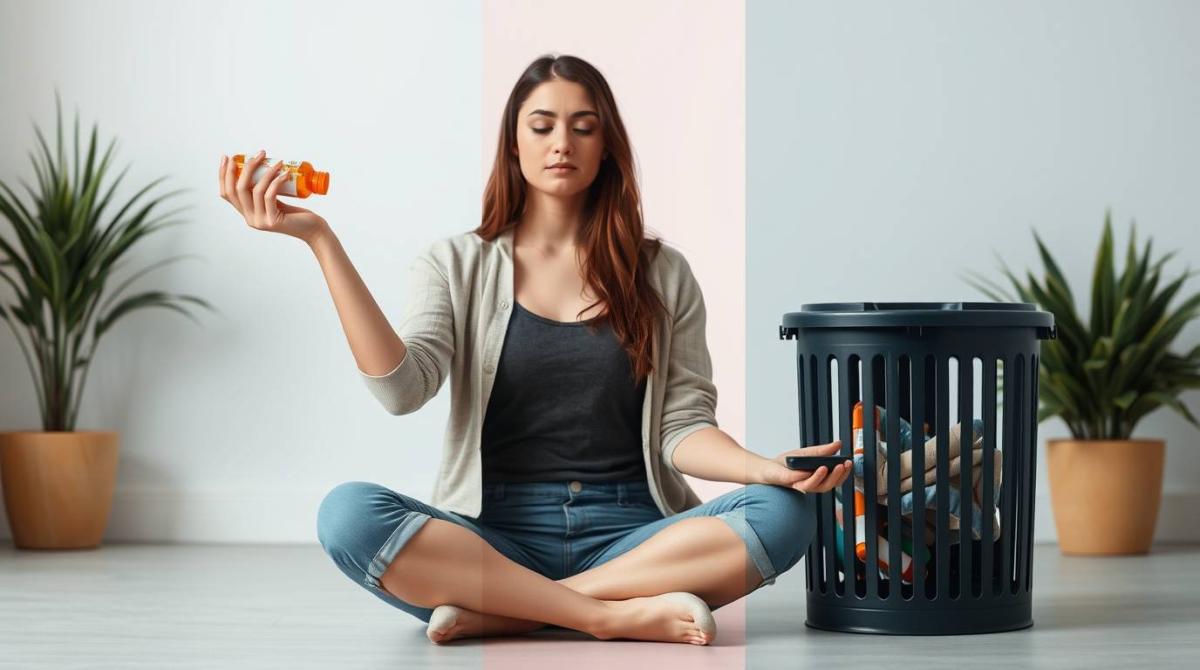
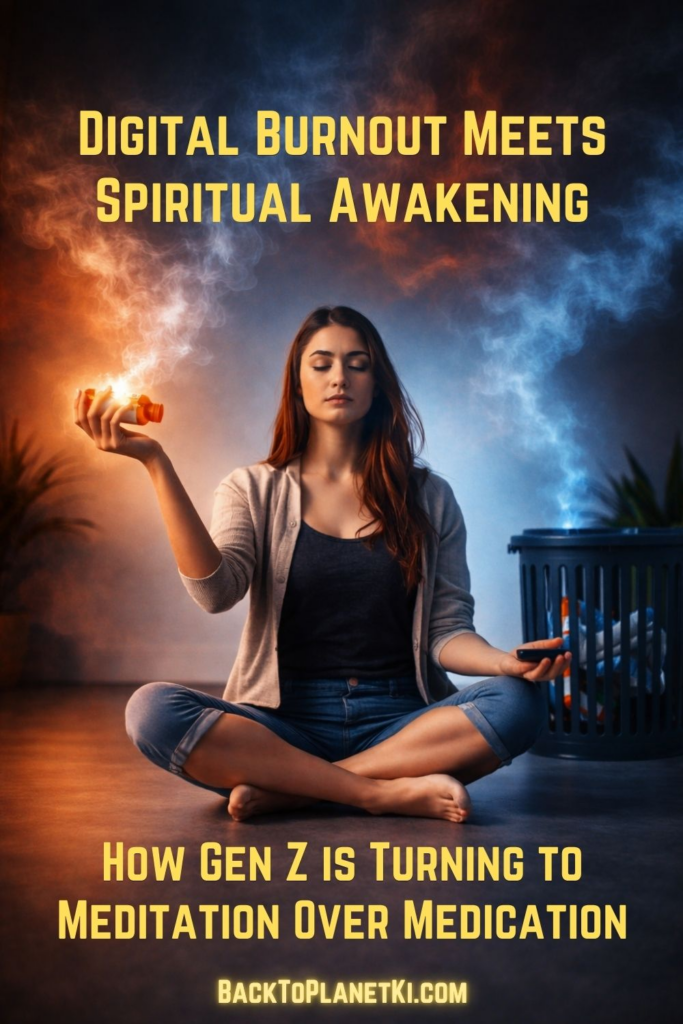
Something remarkable is happening in the bedrooms, dorm rooms, and home offices of young people around the world. They are sitting in silence. No screens. No notifications. Just breath and stillness. In an era defined by constant connectivity, a growing number of Gen Zers are rejecting the dopamine chase and discovering an ancient solution to a very modern problem.
Something remarkable is happening in the bedrooms, dorm rooms, and home offices of young people around the world. They are sitting in silence. No screens. No notifications. Just breath and stillness. In an era defined by constant connectivity, a growing number of Gen Zers are rejecting the dopamine chase and discovering an ancient solution to a very modern problem.
The statistics are striking. Meditation app downloads have skyrocketed among users under thirty. Therapy waitlists stretch for months. And an increasing number of young people are reporting that their most effective tool for managing anxiety, depression, and burnout is not a pill or a app, but a practice that predates civilization itself. They are turning to meditation, not as a wellness trend, but as a genuine path to sanity in an insane world.
Gen Z grew up with smartphones in their hands and social media in their veins. They witnessed the 2008 financial crisis from their living rooms. They graduated into a pandemic. They navigate an economy of gig work, impossible housing costs, and climate anxiety. The result is a generation that is exhausted before they have barely begun.
Digital burnout manifests in ways that previous generations never experienced. It is the hollow feeling after hours of doomscrolling. It is the panic when the phone is left at home. It is the inability to focus on a single task for more than a few minutes before the urge to check something, anything, becomes overwhelming. The nervous system is in a constant state of low grade alarm.
Traditional solutions have failed to keep pace. Therapy is expensive and often unavailable. Medication helps some but comes with side effects and does not address the root cause. Self care in the consumer sense, bubble baths and face masks, offers only temporary relief from a problem that is systemic. Young people are beginning to understand that they cannot scroll their way out of a burnout crisis.
Into this void, meditation has emerged not as a fringe practice but as a mainstream solution. The stigma around mental health has decreased dramatically, and with it, the willingness to explore practices that might have seemed woozy or pretentious to previous generations. Meditation is no longer the domain of monks and mystics. It is the domain of teenagers with anxiety and college students with chronic stress.
What they discover in their practice is often unexpected. They expect silence to be boring. They find it to be profound. They expect meditation to be about stopping thoughts. They learn that it is about observing them without attachment. They expect to feel nothing. They feel a sense of spaciousness that they did not know was possible.
This is not wellness culture, though it has been absorbed into that ecosystem. This is something older and deeper. It is the recognition that the mind has a natural capacity for peace that has been obscured by layers of stimulation and distraction. The practice is not about achieving a special state. It is about removing the obstacles to a state that was always already present.
The scientific literature on meditation has grown substantially, and it tells a compelling story. Regular meditation practice is associated with reduced activity in the amygdala, the brain region responsible for fear and stress responses. It increases gray matter in the prefrontal cortex, the area associated with decision making and emotional regulation. It reduces markers of inflammation and improves immune function.
For the digitally exhausted, these findings are not abstract. They translate into real world benefits. Practitioners report better sleep, less anxiety, improved focus, and a greater sense of meaning in their daily lives. They describe feeling more present in conversations, more creative in their work, and more resilient in the face of challenges.
None of this means that medication is wrong or that therapy is unnecessary. Many people benefit from a combination of approaches. But meditation offers something that pills cannot. It provides a skill that can be practiced anywhere, at any time, without cost or side effects. It empowers individuals to take an active role in their own wellbeing rather than remaining passive recipients of treatment.
What distinguishes the meditation practice that young people are embracing from a mere relaxation technique is its spiritual dimension. Even those who do not consider themselves religious or spiritual report a sense of connection to something larger than themselves. They describe moments of awe, of gratitude, of recognizing that the boundaries between self and world are more porous than they assumed.
This is the awakening that is taking place. It is not an escape from reality but an deepened engagement with it. When the noise of constant digital input quiets, what emerges is a appreciation for the texture of ordinary experience. A cup of coffee becomes a meditation. A walk in the park becomes a pilgrimage. Life itself becomes sacred.
This spiritual dimension is what separates meditation from other stress reduction techniques. It addresses not just the symptoms of burnout but the underlying sense of meaninglessness that characterizes so much of modern life. Young people are not just learning to relax. They are learning to live with purpose and presence.
For those who are drawn to explore this path, the good news is that meditation is simple to begin. It does not require special equipment, expensive classes, or complex rituals. All that is needed is a willingness to sit still and observe what arises.
Start with five minutes each day. Set a timer. Sit in a comfortable position with your eyes closed. Focus your attention on the sensation of breath entering and leaving your body. When thoughts arise, and they will, simply note them and return your attention to the breath. This is the entire practice in its simplest form.
As the practice deepens, extend the duration. Explore different traditions and techniques. Some prefer counting breaths. Others prefer silent repetition of a phrase. Still others practice walking meditation or mindful movement. The technique matters less than the consistency of the practice.
Create conditions that support the practice. Turn off phone notifications during meditation. Make it a non negotiable part of your day. Approach it with curiosity rather than expectation. The benefits emerge not from forcing a particular experience but from creating space for whatever arises.
The digital age is not going away. The pressures that create burnout will likely intensify as technology becomes more immersive and pervasive. But a generation is discovering that they do not have to be victims of their devices. They have access to a technology that is older than humanity itself, one that cannot be updated or hacked or made obsolete.
This is the awakening that is spreading through bedrooms and home offices around the world. It is quiet. It is radical. It is free. And it is available to anyone who is willing to sit still for a few minutes each day and discover what has been there all along, waiting beneath the surface of constant stimulation.
The path back to sanity begins with a single breath. It begins when the phone is put down and the eyes are closed. It begins when we stop scrolling and start sitting. This is the medicine that cannot be prescribed, that cannot be bought, that cannot be found on any screen. It is the medicine of presence. And it is exactly what the burnout generation has been searching for.