Physical Address
304 North Cardinal St.
Dorchester Center, MA 02124
Physical Address
304 North Cardinal St.
Dorchester Center, MA 02124


Dolores Cannon's concept of the subconscious significantly departs from the traditional psychological understanding. The traditional view, as described in the sources, sees the subconscious as a repository of personal memories, repressed emotions, and instinctual drives. It is often viewed as a less developed and more primitive aspect of the mind, operating below the level of conscious awareness.
Dolores Cannon’s concept of the subconscious significantly departs from the traditional psychological understanding. The traditional view, as described in the sources, sees the subconscious as a repository of personal memories, repressed emotions, and instinctual drives. It is often viewed as a less developed and more primitive aspect of the mind, operating below the level of conscious awareness.
In contrast, Cannon portrays the subconscious as a powerful and wise entity with access to vast knowledge and abilities that far surpass those of the conscious mind. Here are some key distinctions:
The traditional view limits the subconscious to personal experiences and repressed material. Cannon’s subconscious extends far beyond the individual, encompassing a universal consciousness connected to all knowledge and dimensions. For example, her subjects, under hypnosis, describe accessing the Akashic Library, a repository of universal knowledge, through their subconscious minds.

Traditional psychology often portrays the subconscious as a murky and chaotic realm, driven by primal instincts and unresolved conflicts. Cannon, however, describes the subconscious as a highly aware and intelligent force, capable of objective observation and analysis. For example, her subjects in a deep trance state can recall events in detail while their bodies are supposedly asleep, suggesting a heightened awareness within the subconscious.
The traditional approach views the subconscious as something to be analyzed and interpreted by the therapist. Cannon, conversely, engages in direct dialogue with the subconscious, treating it as a separate entity with its own voice and perspective. For instance, in many of her sessions, a distinct shift in voice and tone occurs when the subconscious begins to communicate, using third-person pronouns to refer to the subject’s body.
Traditional therapy often focuses on uncovering and resolving subconscious conflicts to address psychological issues. Cannon utilizes the subconscious as a source of healing and guidance, believing it possesses the innate ability to facilitate transformation and growth. She frequently describes the subconscious providing insights, performing energetic healings, and offering solutions to problems that the conscious mind struggles with.

Cannon’s work suggests that the subconscious, as she understands it, operates on a much higher level than the subconscious traditionally recognized by psychology. She seems to be tapping into a realm of consciousness that transcends the limitations of the individual ego and connects to a broader, universal awareness. This concept aligns with ideas like the “Higher Self” or “Oversoul” found in various spiritual traditions.
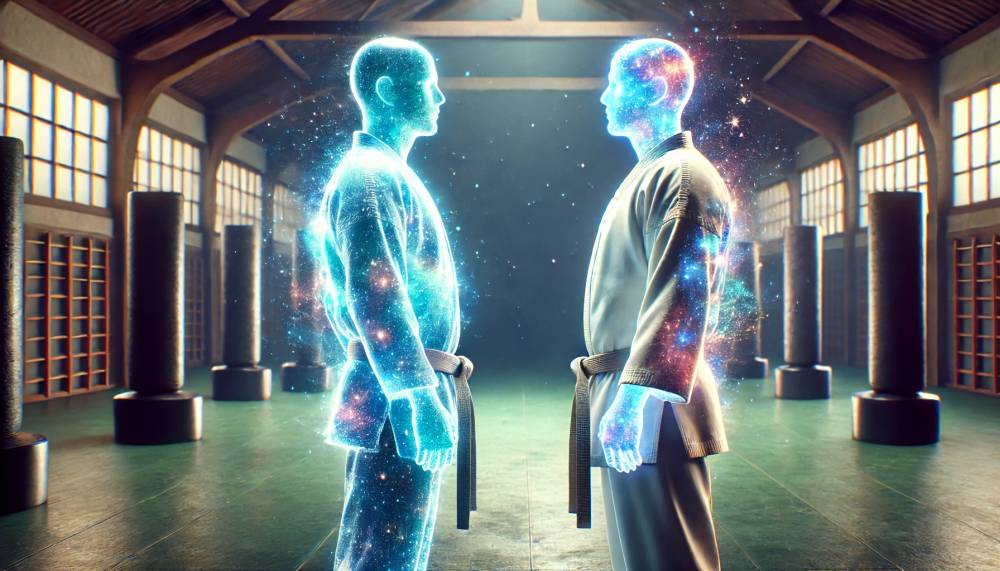
The sources depict Cannon’s concept of the subconscious as distinct from the astral body. Here’s why:
The astral body is typically understood as a subtle energy body that allows consciousness to travel beyond the physical body during sleep, meditation, or out-of-body experiences. Cannon’s subconscious, while capable of accessing other realms and communicating with non-physical beings, is not presented as a vehicle for such travel. It’s described more as a source of knowledge and a facilitator of communication rather than a body that separates from the physical.
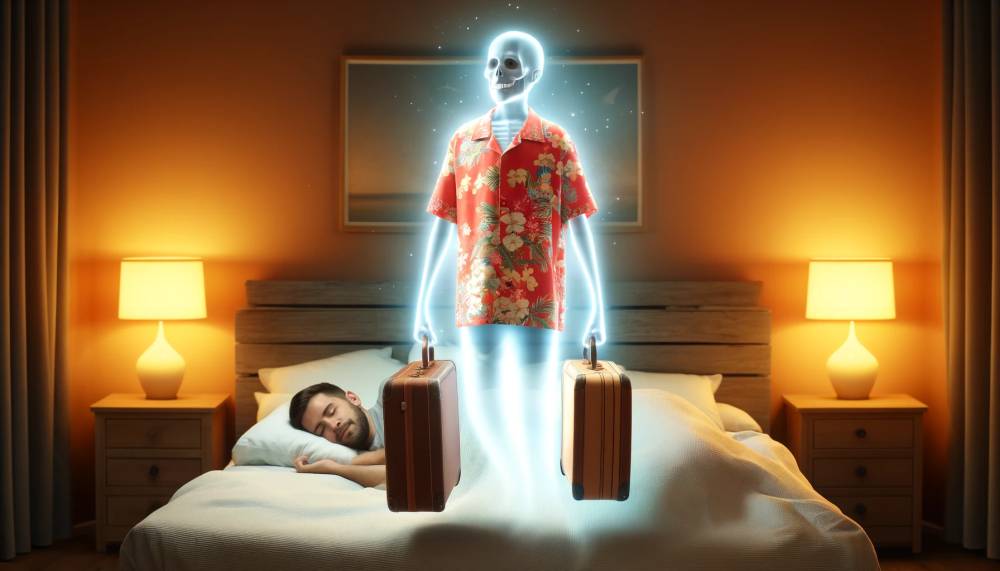
The astral body is often associated with a specific plane or realm of existence. Cannon’s subconscious appears to operate on a higher level, accessing information from various dimensions and interacting with beings of pure energy. For example, subjects describe accessing a library containing universal knowledge, suggesting a realm beyond the typical astral plane.
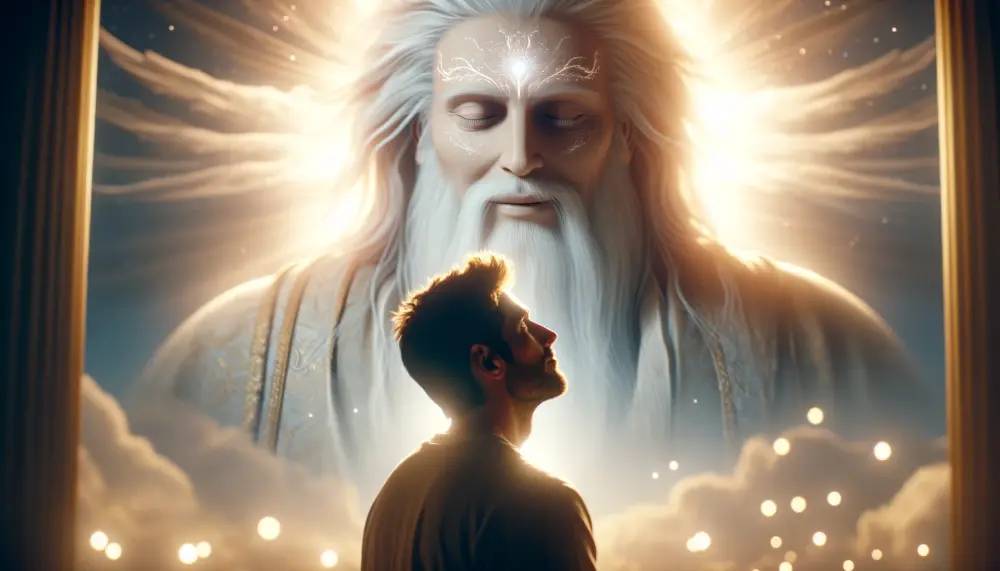
It is important to note that Cannon’s “subconscious” does not seem to be the soul itself. Instead, it appears to function as a bridge between the conscious mind and the soul.
The sources describe the “subconscious” as a key to unlocking memories held within the soul, including past lives, experiences between lives, and even information about the soul’s origins.
In some cases, the “subconscious” allows for direct communication with the soul, offering a deeper understanding of the individual’s true nature and purpose.
Cannon’s subconscious bears a closer resemblance to the concept of the oversoul. Both are characterized by:
The oversoul is often described as a higher aspect of the self, connected to a universal consciousness and possessing a broad perspective on life and existence. Cannon’s subconscious similarly demonstrates a vast knowledge base, accessing information that transcends the individual’s personal experiences.
The oversoul is often seen as a source of guidance and healing, offering insights and support for the individual’s growth. Cannon’s subconscious frequently provides healing suggestions, answers questions, and helps subjects understand their life purpose and challenges.
While Cannon’s subconscious shares similarities with the oversoul concept, it also seems to encompass a broader range of abilities. For instance, it can facilitate communication with extraterrestrial beings, access information about future events, and even influence physical reality. This suggests that Cannon may be tapping into a level of consciousness that extends beyond traditional definitions of the subconscious or even the oversoul.
It’s also important to note that Cannon herself acknowledges that her understanding of the subconscious differs significantly from traditional psychological views. She states that she doesn’t have a specific name for this force and uses the term “subconscious” for lack of a better alternative. This suggests that her concept may not fit neatly into existing categories.
While the sources do not provide a list of “weird facts,” they do offer numerous examples of unconventional and intriguing concepts related to the subconscious mind as revealed through Dolores Cannon’s hypnotic regression work. Here are 20 notable observations:
Screen Memories: The subconscious mind can create false memories, called “screen memories,” to protect the conscious mind from traumatic or disturbing experiences. These screen memories often involve animals, particularly owls, replacing the actual event with a less threatening image. For example, one subject recalled a giant owl swooping over his car, which under hypnosis, turned out to be an encounter with an alien craft.

The Subconscious Speaks in Third Person: When communicating through a subject under hypnosis, the subconscious refers to the subject’s body in the third person, using pronouns like “he” or “she.” This detachment suggests that the subconscious operates as a separate entity, distinct from the subject’s conscious personality.
Direct Communication with Aliens: The subconscious mind can facilitate communication with extraterrestrial beings. In The Custodians, Cannon describes several cases where aliens communicated directly through her subjects while in a deep trance state.
Molecular Changes in the Brain: The subconscious can reveal information about physical changes occurring within the body, even at a molecular level. One subject, under hypnosis, described undergoing molecular changes in her cranium, possibly related to her work with alien energies.
The Library: The subconscious mind can access a vast library of universal knowledge, often described as a physical building with books, holographic images, and a guardian or caretaker. This library contains information on a wide range of topics, from history and science to metaphysics and spirituality.
Vibrational Communication: The subconscious can perceive and interpret communication that goes beyond human language, such as the messages carried by the wind or the songs of dolphins and whales.
The Subconscious Can Block Information: The subconscious can prevent access to certain memories or information if it deems them too traumatic or if the timing is not right for the subject to know.
The Subconscious Can Predict Future Events: Through hypnotic regression, the subconscious can reveal information about future events, although these predictions are often presented symbolically and require interpretation.
Ancient Knowledge Resurfacing: The subconscious mind can hold memories from past lives where individuals served as keepers of sacred knowledge in secret mystery schools. This knowledge, once hidden, is now becoming more accessible as humanity evolves.
Past Life Fears: Subconscious memories of persecution or trauma from past lives can manifest as fears and anxieties in the present life, even if the individual is not consciously aware of the source.
The “Collectors”: Some individuals have subconscious memories of lifetimes spent traveling the galaxies collecting information, embodying a unique type of soul purpose that transcends typical human experiences.
Crystal Skulls as Ancient Technology: The subconscious can reveal information about ancient technologies, such as crystal skulls, and their use for communication, healing, and accessing knowledge.

Soul Travel Creates Universes: Through the subconscious, individuals can access memories of soul travel experiences where they helped create universes and galaxies. These experiences suggest a level of consciousness that operates beyond the limitations of physical reality.
Language Acquisition: The subconscious mind can facilitate the acquisition of languages without conscious effort or training. Some individuals under hypnosis have spoken or understood languages they had no prior knowledge of.
The Subconscious Works Symbolically: The subconscious often communicates through symbols, dreams, and intuitive feelings rather than direct language. Understanding these symbols requires a different way of thinking and interpreting information.
Accessing the Subconscious Requires Stillness: The subconscious is best accessed through a quiet and receptive mind. Distractions and mental chaos can hinder communication with the subconscious.
Not Everyone Understands: Not all individuals are receptive to the information revealed through the subconscious. Some may find it too challenging or unconventional to accept.
Connecting to a “Higher” Council: The subconscious can connect to a council or group of beings on a higher dimensional level that oversees the dissemination of information and guides humanity’s evolution.
The Subconscious Understands Timing: The subconscious mind is aware of the importance of timing and may withhold information until the appropriate moment for its release.
The Subconscious is Not the Same as the Traditional View: Dolores Cannon repeatedly emphasizes that her understanding of the subconscious is not equivalent to the traditional psychological view. She believes she is accessing a much deeper and more powerful aspect of the mind.
Based on the information in the sources, it appears that Cannon’s subconscious is not synonymous with the astral body but aligns more closely with the concept of the oversoul, albeit with additional capabilities and a wider scope of influence. However, her work suggests a unique perspective on the nature of consciousness that may challenge existing frameworks and require further exploration.