Physical Address
304 North Cardinal St.
Dorchester Center, MA 02124
Physical Address
304 North Cardinal St.
Dorchester Center, MA 02124

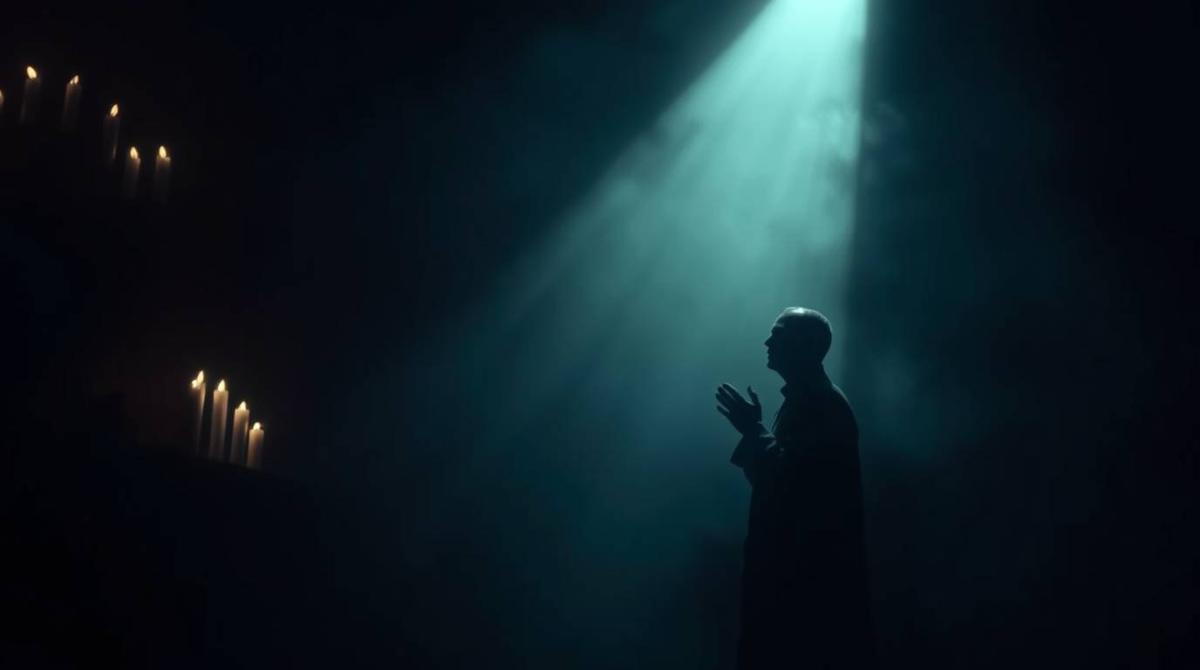
When most people think of fasting, they picture a physical reset - cleansing the body, losing weight, or purging toxins. But for Edgar Cayce, the legendary “Sleeping Prophet,” fasting was never merely about health. It was about the soul. In his trance readings, Cayce shocked his listeners by declaring that fasting could unlock the very essence of the spirit, aligning the individual with divine laws and even breaking chains carried across lifetimes.
When most people think of fasting, they picture a physical reset – cleansing the body, losing weight, or purging toxins. But for Edgar Cayce, the legendary “Sleeping Prophet,” fasting was never merely about health. It was about the soul. In his trance readings, Cayce shocked his listeners by declaring that fasting could unlock the very essence of the spirit, aligning the individual with divine laws and even breaking chains carried across lifetimes.
This was not the language of vague mysticism. Cayce offered detailed guidance that reframed fasting from a practice of denial into a tool for liberation – one that could purify the body, sharpen spiritual perception, and bring the seeker closer to God. To him, fasting was a sacred reset, tuning the human vessel like a musical instrument so that it could once again reflect divine harmony.
Cayce’s perspective startled audiences during the Great Depression. Hunger was a painful reality for millions of families, yet here was Cayce insisting that fasting – when chosen intentionally and paired with prayer – was a ladder to God. The difference, he explained, was intention. Involuntary hunger brought despair, but conscious fasting opened spiritual channels where the soul could receive guidance.
He often reminded seekers that Jesus himself fasted before every major decision or revelation. In imitating Christ’s discipline, people could draw from the same spiritual current. For Cayce, fasting was not starvation but redirection: shifting energy from digestion toward higher states of consciousness where God’s voice could be heard more clearly.
One of Cayce’s most striking claims was that fasting burned away more than physical toxins – it dissolved karmic residues carried across lifetimes. In this view, the heaviness many people feel is not just from food but from regret, fear, and unresolved patterns of the soul.
He described fasting as a spiritual spring cleaning. Just as a house feels renewed when dust and clutter are removed, the body and mind are refreshed when the digestive system rests. With that clarity, the soul rises. “Let the body rest that the soul may rise,” Cayce said – a phrase many who heard him never forgot.
Cayce’s teachings were not abstract theories; they were lived experiences.
These examples demonstrated Cayce’s central point: fasting was never about endurance alone. Without prayer, it was just hunger. With prayer, it became sacred.
For Cayce, fasting was training. Voluntarily withholding food built inner strength that could then be applied to overcoming anger, addiction, fear, or lust. He often pointed to Christ’s fast in the wilderness as proof that discipline over the body prepared the will to resist temptation.
“What is mastered in the body,” Cayce declared, “may be mastered in the soul.” He saw fasting as a rehearsal for life’s battles – and even for death itself. By practicing letting go of physical attachments, the soul learned how to rise freely into eternity.
Cayce also taught that fasting heightened spiritual sensitivity. With digestion quieted, the subconscious became more active. Many who fasted reported vivid dreams or sudden insights. Cayce encouraged them to record these experiences, explaining that fasting thinned the veil between the earthly and the eternal.
He even compared fasting to tuning a radio. The human mind is always receiving impressions, but excess food and distraction create static. Fasting clears the signal so the soul can “tune in” to God’s broadcast.
Despite his radical claims, Cayce was careful to warn against extremes. Fasting, he insisted, was not a test of pride or a contest of endurance. Done without humility, it could foster arrogance instead of holiness.
He advised short, structured fasts – sometimes a day with fruit juices or water – always accompanied by prayer and always broken gently with gratitude. He reminded seekers that the body is God’s gift, not an enemy to be punished. The goal was alignment, not self-destruction.
Cayce also dismantled the notion that fasting could manipulate God. Some people hoped fasting might force blessings, wealth, or revenge. Cayce condemned this mindset, insisting that fasting was about surrender, not control. The true question was not, “What will I get?” but, “How can I align myself with God’s will?”
Another overlooked dimension of Cayce’s teaching was fasting for others. He encouraged seekers not to fast only for personal clarity but to combine it with prayers for their families, neighbors, or even nations at war.
During the Depression, groups in Virginia Beach would fast together while praying for the unemployed and sick in their community. According to testimonies, these gatherings created powerful shifts – people reported renewed hope, unexpected opportunities, and a sense of divine presence. Cayce explained that collective fasting multiplied spiritual energy, echoing the practices of early Christians.
In Cayce’s day, doctors warned against fasting, viewing it as dangerous. Cayce challenged them – not by rejecting science, but by expanding it. He predicted that one day research would confirm what he already knew: fasting helps the body detoxify, reset, and heal. Decades later, modern studies indeed validated many of these claims.
But Cayce’s vision still reached further. For him, fasting was not only biological repair but spiritual renewal, clearing the channels of the body so the soul could flow freely. Science might measure hormones or cell regeneration, but Cayce pointed to the eternal: fasting as preparation for communion with God.
At its core, Cayce’s message on fasting always circled back to Christ. Without prayer, humility, and love, fasting was empty. With Christ at the center, it became a living sacrament.
He often told seekers that the real measure of a fast was not mystical visions but everyday transformation. Did it make you more patient? More compassionate? Easier to live with? If not, the fast had failed. True fasting, he insisted, must flow outward into love and service.
Edgar Cayce’s words continue to resonate because they reframe fasting as something greater than discipline or diet. For him, fasting was liberation – the release of physical, emotional, and karmic burdens so the soul could rise toward God.
He saw it not as escape from the world but preparation to love it more deeply. To fast was to imitate Christ, to purify the temple of the body, and to open the heart for divine guidance. It was not about deprivation but about redirection – shifting attention from the material to the eternal.
Perhaps his most enduring lesson can be summed up in one line: “Let the body rest that the soul may rise.” In that simple truth, Cayce transformed fasting from an ancient ritual into a timeless pathway of renewal – for body, mind, and spirit.