Physical Address
304 North Cardinal St.
Dorchester Center, MA 02124
Physical Address
304 North Cardinal St.
Dorchester Center, MA 02124

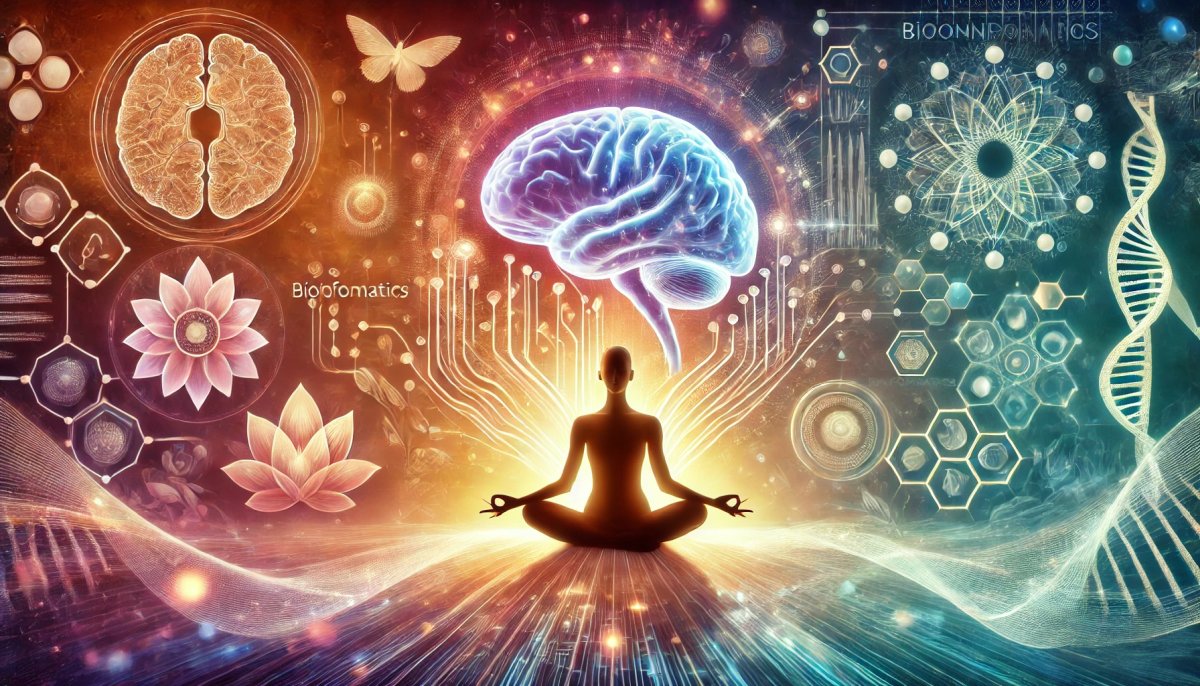
Yoga and meditation hold significant promise for improving mental and physical health, but how exactly do these ancient practices influence the brain? The exciting work being undertaken at Virginia Tech's Fralin Biomedical Research Institute at VTC aims to answer this question. Through a prestigious doctoral student fellowship, researchers are shedding light on the connection between mind and body at a neurological level.
Yoga and meditation hold significant promise for improving mental and physical health, but how exactly do these ancient practices influence the brain? The exciting work being undertaken at Virginia Tech’s Fralin Biomedical Research Institute at VTC aims to answer this question. Through a prestigious doctoral student fellowship, researchers are shedding light on the connection between mind and body at a neurological level.
The mission is clear: uncover the scientific markers behind why yoga and meditation improve well-being, and translate these findings to benefit public health. A unique confluence of disciplines is making this possible—neuroscience, bioinformatics, and eastern traditions come together in this groundbreaking project.
The fellowship in question is part of Virginia Tech’s commitment to advancing research in areas that combine the sciences and health. Specifically, this project focuses on the neurological and molecular changes induced by practices such as yoga and meditation. These questions have baffled researchers for decades but are now being addressed through an integrative, state-of-the-art approach.
Guided by mentors like Dr. Ananda Raheja and Dr. Jessica Gaskins, the doctoral student recipient of this fellowship will explore how specific neural pathways are activated during mindfulness practices.
Yoga and meditation are not just buzzwords in today’s fast-paced world; numerous studies indicate their influence on neurogenesis and decreased stress levels.
Both practices are known to:
With neuroscientists now diving deeper to identify these effects at the molecular level, this fellowship is positioned to make significant contributions to both the academic field and public health initiatives.
At the heart of the program is not just the research, but the individuals driving it. This fellowship not only supports groundbreaking discoveries but also nurtures the next generation of leaders in neuroscience and integrative health research.
Recipients of such fellowships gain immersive training in:
By mentoring young scientists, this fellowship ensures that the field of neuroscience remains not only innovative but also inclusive of diverse perspectives and approaches.
The potential impact of this research extends well beyond academia. As the scientific community increasingly recognizes the efficacy of mindfulness practices, policymakers and healthcare providers can integrate evidence-based yoga and meditation programs into routine care.
“The goal is not just to understand the brain but to revolutionize public health programs worldwide.”
With mental health challenges on the rise globally, interventions rooted in neuroscience could offer scalable, cost-effective solutions. This fellowship at Virginia Tech lays the groundwork for making these aspirations a reality.
Research into the neuroscience of yoga and meditation is reshaping how we think about mental health, physical well-being, and the mind-body connection. By funding visionary projects like this one, Virginia Tech is not only advancing science but also meeting an urgent need for innovative healthcare solutions.
For anyone passionate about neurology and mindfulness, these exciting developments at the Fralin Biomedical Research Institute serve as a testament to the transformative power of interdisciplinary inquiry.
To explore similar research, check out this article on the impact of mindfulness on brain activity.
As new findings emerge, one thing is clear—it’s not just the brain that benefits when we combine science with mindfulness; it’s society as a whole.