Physical Address
304 North Cardinal St.
Dorchester Center, MA 02124
Physical Address
304 North Cardinal St.
Dorchester Center, MA 02124

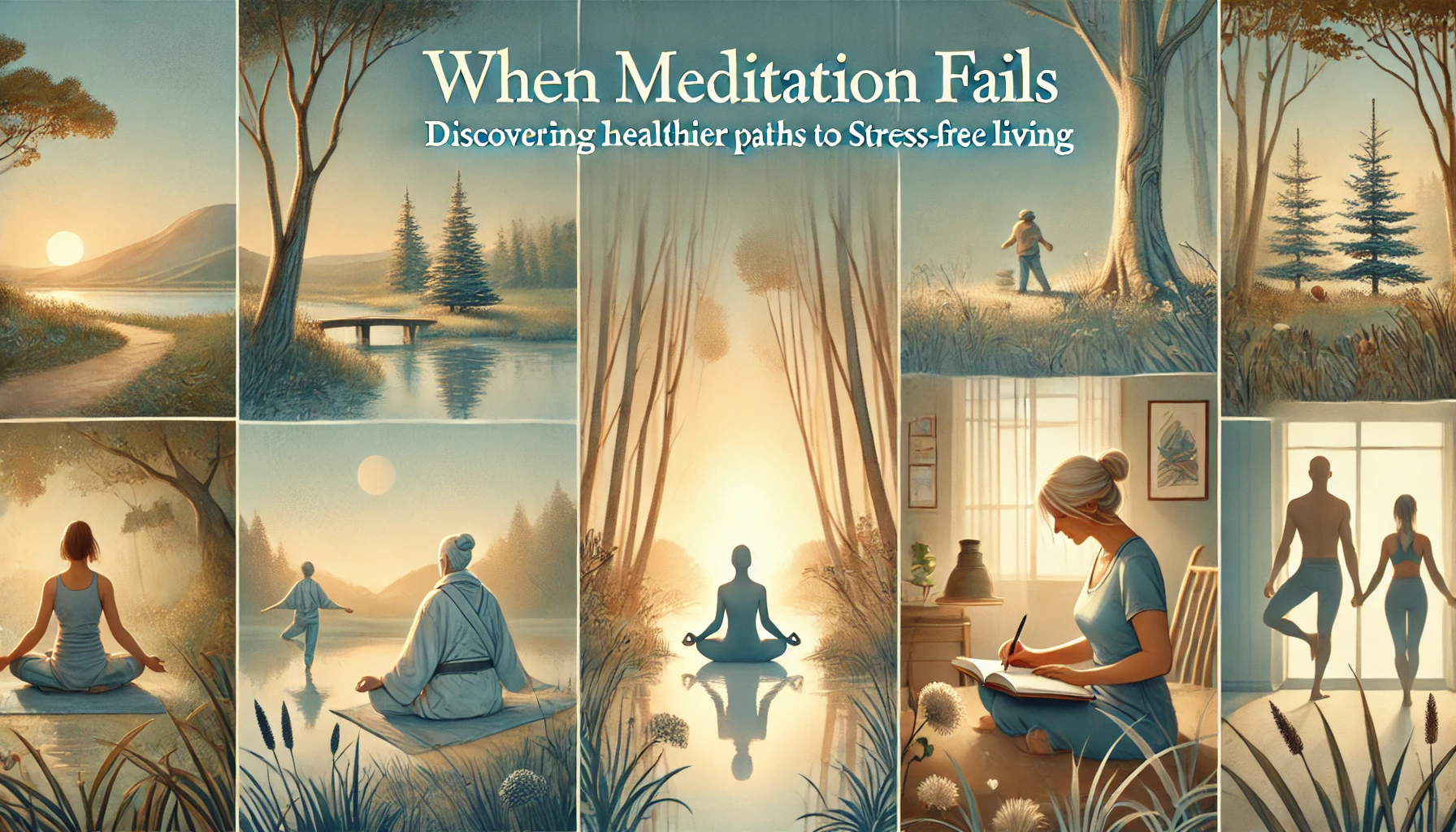
Meditation has long been celebrated as a powerful tool for achieving inner peace, reducing stress, and improving overall mental health. However, what most self-help guides don’t explore is the reality that meditation doesn’t work for everyone. For some individuals, far from offering relaxation, meditation can backfire—triggering anxiety, emotional distress, and even more stress than they had before. If traditional mindfulness practices have left you feeling overwhelmed or stuck, rest assured that you aren’t alone, and there are other healthier paths to stress-free living.
Despite its glowing reputation, meditation is not a one-size-fits-all solution to life’s challenges. While research suggests meditation has numerous benefits, there are cases where its effects are counterproductive or even harmful. Experts attribute this to several reasons:
Given these potential pitfalls, it’s important to acknowledge that meditation is not the only pathway to achieving stress-free living. There are alternative practices you can explore that might better align with your personal needs and circumstances.
If meditation has left you feeling more stressed than soothed, explore these alternative approaches for improving your mental well-being:
For those who struggle to sit still, opting for active mindfulness practices can be a game-changer. Movement can help calm the mind while simultaneously engaging the body. Some popular options include:
These approaches combine physical activity with stress relief, offering a practical alternative to traditional meditation for those who feel restless or overwhelmed.
Creativity can be a therapeutic release, helping you to process feelings and refocus your mind. Activities like painting, writing, or playing a musical instrument allow you to enter a state of “flow,” where worries fade and you feel fully immersed in the present moment. Even if you don’t consider yourself particularly ‘artistic,’ experimenting with creative expression can work wonders for mental clarity and stress reduction.
Spending time in nature has been scientifically proven to lower stress hormones and improve mood. Activities such as hiking, gardening, or simply sitting in a park can deliver significant mental health benefits. The concept of “forest bathing” (spending mindful, immersive time in a natural setting) has gained global attention as a stress-relief technique.
Feeling connected to the natural world can provide a sense of grounding and perspective, helping you detach from daily stressors. Consider making time for regular outdoor experiences—even short walks can have a positive impact.
When meditation amplifies negative thoughts, shifting your focus through gratitude journaling can provide relief. Writing down three to five things you’re grateful for each day retrains your mind to focus on what’s positive and uplifting. Over time, this practice can create a more optimistic outlook on life and reduce feelings of stress and anxiety.
Loneliness and isolation are significant contributors to stress. If solo meditation feels isolating, exploring social activities and building meaningful relationships can have the opposite effect. Ideas include:
A solid support system can become a foundation for stress-free living, offering you emotional comfort when challenges arise.
If you find that neither meditation nor these alternative strategies relieve your stress, it’s important to reassess how you’re addressing your mental health. Stress levels that persist despite trying various coping techniques might indicate underlying issues that require professional attention.
Speaking with a therapist or counselor can help uncover stressors and provide personalized strategies for overcoming them. Cognitive-behavioral therapy (CBT), for example, is a validated option for addressing anxiety and stress in a structured, effective manner. Similarly, somatic therapies, which address the ways stress lodges itself in the body, can be ideal for individuals who feel emotionally “stuck.”
Meditation is a time-honored practice, but it isn’t for everyone. For some, it can exacerbate anxiety or leave them feeling more disconnected than before. The key to stress-free living isn’t forcing a method that doesn’t resonate with you; it’s about finding tools and practices that align with your unique needs and sense of well-being.
Whether you gravitate towards movement, creativity, nature, journaling, or social connections, you can still achieve a peaceful and balanced life without depending solely on meditation. Remember to be patient with yourself, explore different paths, and seek help when necessary. As you carve out your journey, trust that relaxation and stress-free living are achievable—regardless of where you start.
For further insights into practices for mental well-being, check out articles on why meditation might not work for everyone and mindfulness alternatives for mental health.
“`