Physical Address
304 North Cardinal St.
Dorchester Center, MA 02124
Physical Address
304 North Cardinal St.
Dorchester Center, MA 02124

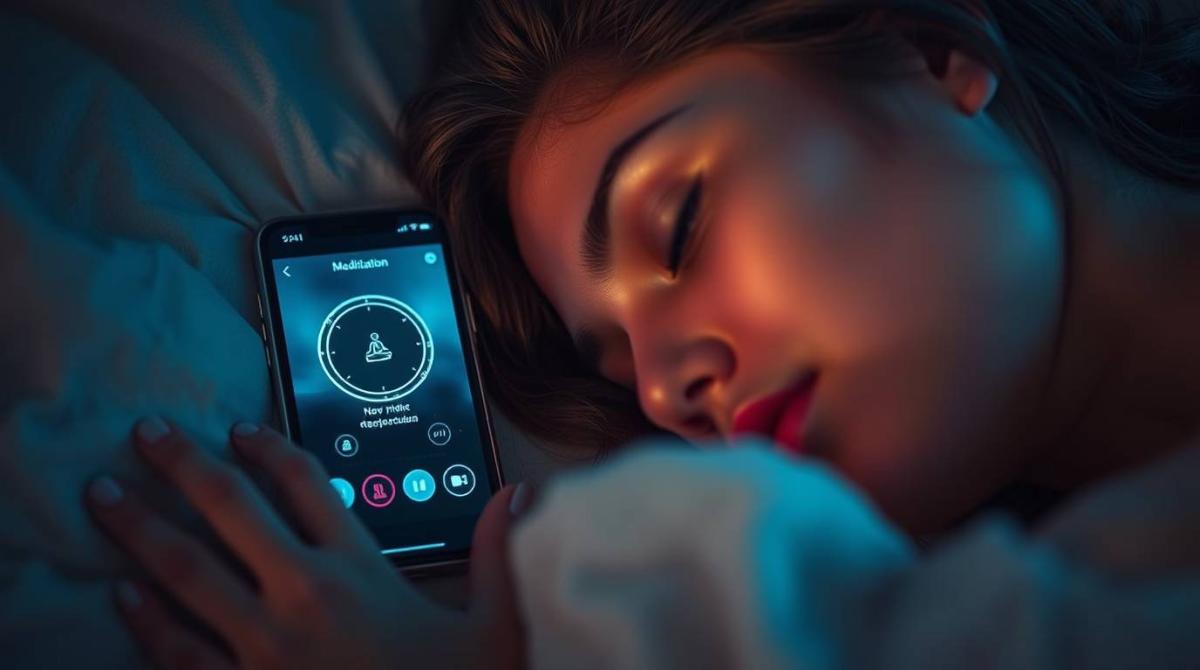
Sleep is the invisible foundation of every day’s productivity, creativity, and wellbeing. Yet, as the world races forward, many people find themselves drifting into a restless state, struggling to fall asleep or to maintain deep, restorative cycles. Guided meditation apps that focus on sleep—often marketed under the “sleep well” umbrella—are stepping in as a digital sanctuary. According to recent market analysis, the guided meditation app segment dedicated to improving sleep is projected to grow at an impressive 25.70% CAGR over the next several years. This surge is not just a trend; it reflects a deeper shift in how people manage health through technology.
Sleep is the invisible foundation of every day’s productivity, creativity, and wellbeing. Yet, as the world races forward, many people find themselves drifting into a restless state, struggling to fall asleep or to maintain deep, restorative cycles. Guided meditation apps that focus on sleep – often marketed under the “sleep well” umbrella – are stepping in as a digital sanctuary. According to recent market analysis, the guided meditation app segment dedicated to improving sleep is projected to grow at an impressive 25.70% Compound Annual Growth Rate over the next several years. This surge is not just a trend; it reflects a deeper shift in how people manage health through technology.
Three major forces are propelling the rise of sleep‑focused guided meditation apps:
These dynamics create fertile ground for companies to develop specialized offerings. The market is segmented by user demographics – millennials and Gen Z now dominate app downloads, but the elder generation is catching up as awareness of mental health increases.
While many apps claim to improve sleep, those that achieve traction tend to incorporate a combination of the following features:
In addition, many successful platforms now provide “Sleep Hygiene” education modules, helping users adopt holistic practices such as limiting blue light exposure, optimizing bedroom temperature, and establishing consistent wind‑down rituals.
While the market is still fragmented, several companies stand out for their innovative approaches and rapid user growth:
Each of these players leverages a unique blend of technology, content, and community, underscoring the diversity of strategies that can succeed in this rapidly evolving space.
To capture and retain users, app developers focus on the following tactics:
Marketing efforts increasingly tap into social media influencers, sleep‑focused podcasts, and strategic partnerships with wellness brands. These collaborations amplify reach and lend credibility to the product’s promises.
Financial analysts predict that the guided meditation app market, particularly the sleep niche, will surpass $4.5 billion by 2028. The CAGR of 25.70% is fueled by a combination of organic growth and venture capital inflows. Recent funding rounds in 2024 saw companies raise over $200 million to expand content libraries, develop AI‑driven personalization, and acquire complementary technologies such as sleep‑tracking hardware.
Investors are drawn by the scalability of the app model, low marginal costs, and the growing consumer willingness to pay for mental and physical wellbeing solutions. Moreover, insurers are beginning to recognize the long‑term health benefits of improved sleep, opening the door for potential partnerships and reimbursement models.
Looking ahead, several innovations promise to redefine the sleep meditation landscape:
These frontiers highlight how guided meditation apps are not static; they evolve alongside advances in technology, science, and user expectations.
The surge in guided meditation app usage, especially those targeting sleep, illustrates a growing recognition of sleep’s central role in overall health. The market’s projected 25.70% CAGR is not merely a statistic; it signals a paradigm shift where technology and mindfulness converge to provide a personalized, evidence‑based solution for millions of restless nights. As apps continue to innovate and refine their offerings, users stand to benefit from more effective sleep practices, leading to clearer minds, stronger bodies, and a healthier society.
For further reading on the intersection of technology and sleep health, see the comprehensive reports from Grand View Research and the latest findings published by Statista.