Physical Address
304 North Cardinal St.
Dorchester Center, MA 02124
Physical Address
304 North Cardinal St.
Dorchester Center, MA 02124

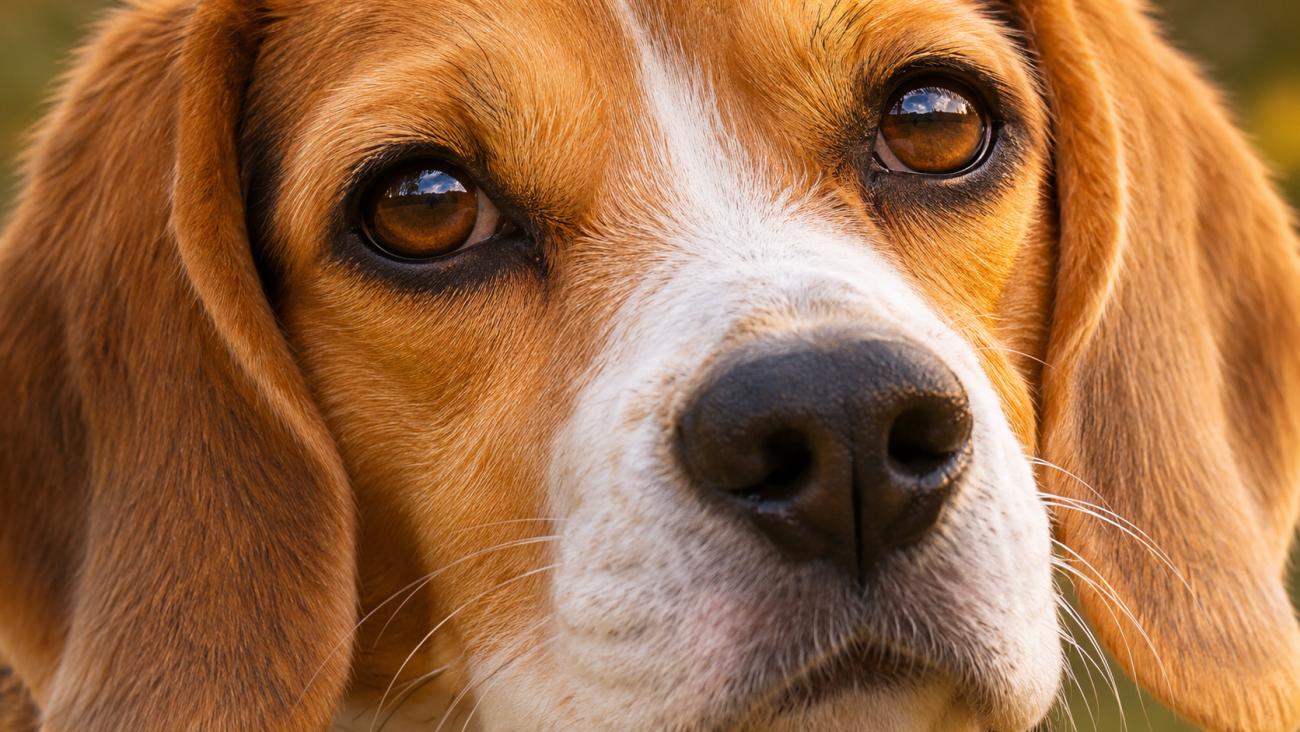
Anyone who has loved a loyal dog, a purring cat or a gentle horse knows that losing an animal companion cuts deep. In the rawness of that grief, one question keeps returning: do pets go to heaven, and will we ever see them again?
Mainstream theology has tended to sidestep the spiritual standing of animals. Dolores Cannon, the American regression hypnotist who spent decades guiding clients into deep trance, came at the question from a different direction. In Between Death and Life, she gathered what hundreds of subjects described when they were taken back to the state between incarnations. The picture that emerges is a generous one. Animals are not simply allowed into the afterlife; they are active travellers on an upward path of conscious evolution, and human love is one of the forces that moves them along it.
To understand where a beloved animal goes after death, it helps to start with how animal consciousness works in Cannon’s material. Wild animals, her subjects said, do not arrive with separate individual souls. Instead they share a collective awareness, often called a group spirit.
A group spirit behaves like a shared store of instinct. A herd of deer, a flock of starlings or a colony of ants draws on it and feeds back into it, so that every life lived in survival and reproduction refines the overall pattern of the species.
Nature, in this view, is also looked after by a hierarchy of helpers:
When a wild animal dies, its spark simply flows back into the collective, much as a drop of water returns to the sea. Something different happens, however, when an animal is drawn into the circle of human affection.
The most striking idea in Between Death and Life about animals concerns the part human devotion plays in their development. Once an animal is brought into a home, treated tenderly and loved as a member of the family, its path begins to shift from the collective toward the personal.
The communicating spirits were clear on this point: love is the main catalyst that turns a share of group consciousness into an individual soul.
Through daily companionship, people pass on a distinct personality to the animal. Within that bond the animal learns emotional subtleties, forming preferences, loyalties and a capacity for empathy it would rarely develop in the wild. Its vibrational frequency rises as a result. Over time, that concentrated affection works like a magnet, allowing the animal’s life force to detach permanently from the group spirit and stand on its own as an independent soul. It is a theme that sits comfortably alongside the spiritual intelligence of animals that Lee Harris describes.
The stages can be summarised like this:
Spiritual development is not a flat plane. An ant works at a very basic level of awareness, while a deeply loved dog or horse vibrates at a far higher frequency. The affection we give a pet becomes the energetic vehicle that grants it a distinct and lasting identity.
Cannon’s research also sketched the larger structure along which consciousness travels. According to the spirit guides her subjects spoke for, every spark of life starts at the most basic level and climbs an orderly ladder:
Gas → Matter → Plant → Animal → Human → Spirit → Divine
The principle behind this sequence is that life keeps expanding back toward its Source. Once an animal’s spirit has broken away from the group soul through love, it begins its own ascent of that ladder and, over immense spans of time, eventually steps into human lives. Some of the entities even said that many people alive today passed through animal lifetimes on other worlds long ago.
The same material firmly rejects the folk belief in transmigration, the fear that a human could be sent back into an animal body as punishment. Cannon’s sources were emphatic that this kind of regression does not happen. During some early experimental phases, they said, different combinations were briefly allowed, but once a soul has reached human self-awareness and conscience it does not return to animal form. Spiritual growth runs in one direction only, and that direction is forward.
Death itself is described not as a trauma but as an immediate release. The spirit slips free of the body without effort. Subjects compared the feeling to pushing off from the bottom of a swimming pool and bursting joyfully up into bright sunlight, or to nothing more dramatic than a blink.
Once the energetic silver cord that tethers consciousness to the physical body is released, the soul moves into the astral realms:
Since thought becomes reality there without delay, the emotional bonds formed on Earth stay vivid and whole. A beloved animal that now carries its own individual soul is pulled by affinity toward the very people whose love helped bring that soul into being.
To see how far our relationship with animals has travelled, it helps to compare it with an older outlook that surfaced in Cannon’s historical regression work.
In her book Jesus and the Essenes, Cannon spoke with Suddi, a teacher from the Essene community at Qumran. When she tried to explain the modern idea of keeping an animal as a pet, Suddi was puzzled. From his practical standpoint, bringing an animal to live inside the home purely for pleasure seemed self-indulgent and unclean, and he could not see how a creature incapable of thoughtful conversation could be counted as a friend.
Even so, Suddi recognised the kinship that runs through all of life. Recalling the story of Daniel in the lions’ den, he suggested that Daniel did not need a miracle to keep the lions’ jaws shut; he simply spoke with them, understanding that animals are also God’s creatures. Across the centuries, humanity has turned that sense of communion into a true domestic partnership, and the household pet has become an intimate spiritual companion.
Seen through the lens of Dolores Cannon’s hypnosis sessions, our animal companions are neither biological machines nor passing earthly comforts. They are young, bright souls standing at the doorway of individuality.
Grief at losing them is natural, yet Cannon’s research suggests that the separation is an illusion of the physical senses. The love shared between a person and an animal becomes a sacred bridge in the animal’s evolution. In loving a pet we help awaken its soul, and in return that companion leaves a lasting imprint of unconditional love on our own spiritual path. When the veil finally lifts, the reunion is described as being every bit as joyful as coming home.