Physical Address
304 North Cardinal St.
Dorchester Center, MA 02124
Physical Address
304 North Cardinal St.
Dorchester Center, MA 02124

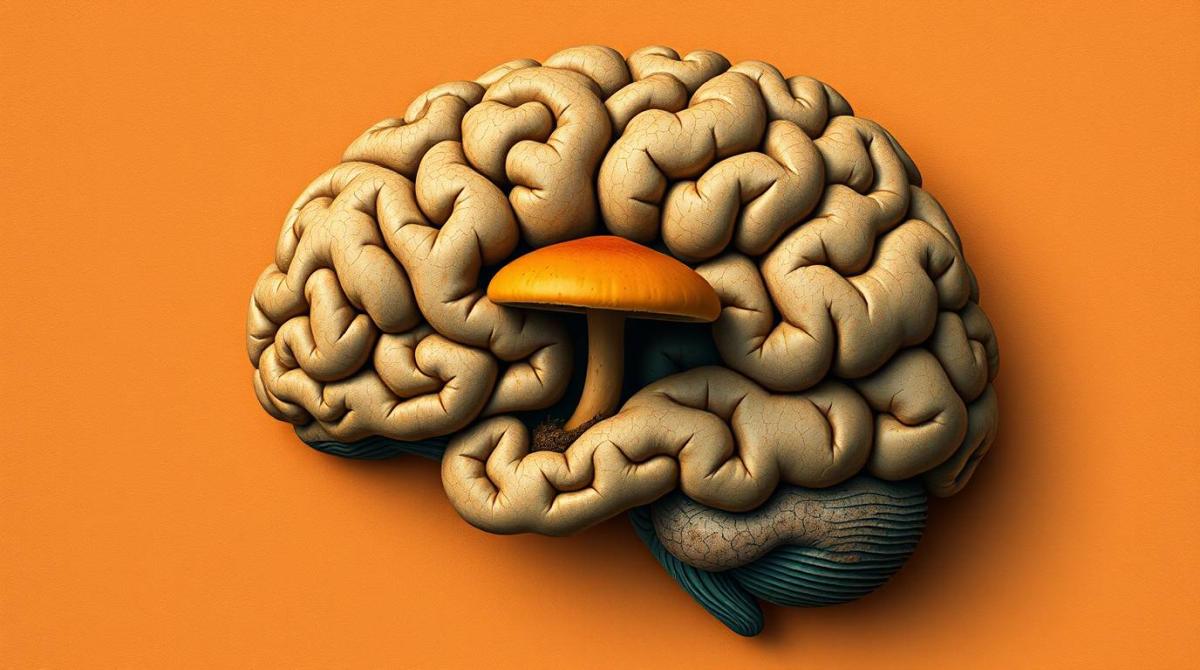
The conversation around microdosing psychedelics as a potential treatment for ADHD sits at a fascinating crossroads. On one side, we have compelling personal testimonies from individuals who claim life-changing results. On the other, scientists urge caution, pointing to the almost complete absence of rigorous clinical data. This tension between experiential wisdom and scientific validation defines one of the most intriguing debates in both the psychedelic renaissance and ADHD treatment communities.
The conversation around microdosing psychedelics as a potential treatment for ADHD sits at a fascinating crossroads. On one side, we have compelling personal testimonies from individuals who claim life-changing results. On the other, scientists urge caution, pointing to the almost complete absence of rigorous clinical data. This tension between experiential wisdom and scientific validation defines one of the most intriguing debates in both the psychedelic renaissance and ADHD treatment communities.
To understand why anyone would consider psychedelics for ADHD, we need to first examine what makes the ADHD brain unique. Research by neuroscientist Nora Volkow has revealed that people with ADHD typically have fewer dopamine receptors in their brain’s reward circuits. Dopamine is the neurotransmitter that signals importance, pleasure, and salience to the brain. When you have fewer receptors, your brain operates in a chronically under-stimulated state.
This neurobiological difference manifests as what researchers call a “high taste for novelty.” The ADHD brain rapidly extracts whatever is new or interesting from a situation and then quickly loses focus once that initial stimulation fades. This explains why a person with ADHD might hyperfocus on a fascinating video game for hours but struggle to maintain attention during a repetitive lecture or mundane work task.
Traditional ADHD medications like Adderall and Ritalin work by flooding the reward pathway with dopamine, essentially artificially creating that sense of interest and importance that helps maintain focus. They address the dopamine deficit directly, which is why they remain the gold standard for ADHD treatment.
Psychedelics like psilocybin (the active compound in magic mushrooms) and LSD take an entirely different neurological route. Rather than targeting dopamine, these substances primarily stimulate the serotonin 2A receptor, which is heavily concentrated in the prefrontal cortex. This region serves as the brain’s “executive reasoner,” handling critical thinking, planning, impulse control, and understanding consequences.
One of the most documented effects of full-dose psychedelics is their ability to temporarily deactivate what neuroscientists call the Default Mode Network (DMN). The DMN is a collection of interconnected brain circuits that activate during rest, self-monitoring, and daydreaming. It is essentially your internal narrator, the voice that constantly evaluates, judges, and worries. By quieting this network, psychedelics can create states of ego dissolution where consciousness shifts from internal rumination to external awareness.
However, here lies a critical unknown: scientists do not yet understand whether microdoses (typically one-tenth to one-twentieth of a full dose) are sufficient to produce meaningful DMN suppression. This uncertainty is at the heart of the scientific skepticism surrounding microdosing for ADHD.
Dr. Richard Friedman and other researchers raise a crucial distinction: feeling better is not the same as functioning better. Many people with ADHD report that microdosing feels wonderful. They describe sensations similar to “an extra cup of coffee” or a gentle mood elevation. The novelty of the experience itself may be inherently appealing to the novelty-seeking ADHD brain.
But does this subjective improvement translate to objective performance gains? This is where the scientific community expresses serious reservations. Research on traditional stimulants has demonstrated a well-documented phenomenon: people often perceive their performance to be better than it actually is when measured objectively. A similar perception gap may exist with microdosing.
Furthermore, psychedelics can actually decrease activity in the prefrontal cortex. While this might reduce anxiety and self-criticism, it could simultaneously impair the very executive functions that people with ADHD struggle with most. The prefrontal cortex provides the control and self-regulation needed to translate interest into productive, sustained work. Turning down this critical brain region might feel liberating but could undermine the capacity for focused execution.
Despite scientific skepticism, microdosing advocates have developed specific protocols aimed at optimizing outcomes for ADHD. One intriguing approach involves taking psilocybin late in the evening, between 8:00 and 10:00 PM, before sleep. This “nighttime protocol” deliberately avoids the immediate effects of the substance, instead targeting what proponents call the “second-day effect.”
The theory suggests that users wake up the following day with enhanced focus and mental clarity without having experienced any distracting effects during the dosing itself. Psychedelic researcher Jim Fadiman, who has collected thousands of microdosing reports, acknowledges that while microdosing might not match the raw effectiveness of pharmaceutical amphetamines, many users find it to be a preferable alternative with significantly fewer side effects.
This perspective resonates particularly with individuals who worry about the long-term implications of daily stimulant use, especially given that ADHD medications are sometimes prescribed to children as young as three years old. Numerous anecdotal accounts describe people successfully transitioning away from traditional medications in favor of microdosing protocols, though these remain unverified by controlled studies.
Perhaps the most revolutionary potential of psychedelics for ADHD lies not in immediate symptom relief but in neuroplasticity. Neuroplasticity refers to the brain’s capacity to structurally reorganize itself by growing new neural connections and strengthening existing pathways. This process underlies all learning and adaptation.
Research has shown that psychedelics can trigger robust neuroplastic states, promoting the growth of dendritic spines and enhancing synaptic connectivity. For individuals with ADHD, this could address something deeper than just attention deficits: the damaged self-concept that often accompanies years of struggling with executive dysfunction.
Many people with ADHD develop what researchers call a negative “meta-narrative,” viewing themselves as fundamentally broken or incapable. If microdosing can induce meaningful neuroplastic changes, it might help individuals update these deeply ingrained negative self-perceptions and learn new cognitive patterns. However, neuroplasticity is a double-edged sword. The brain in a neuroplastic state is highly susceptible to environmental influences, captured by the psychedelic community’s emphasis on “set and setting.”
Think of it like this: a brain under psychedelic influence is like a glass vase returned to a hot kiln. The heat makes it soft and malleable, ready to be reshaped. In a supportive, nurturing environment, the vase can be refined and improved. In a chaotic or harmful setting, that same malleability could result in problematic reshaping. Microdosing aims to create just enough softness for positive change without the intense ego dissolution of a full psychedelic journey.
From a medical safety perspective, classical psychedelics like psilocybin and LSD are among the safest substances known, with significantly lower rates of dependence, overdose, and organ damage compared to alcohol, tobacco, or opioids. Yet they remain classified as Schedule I substances in the United States, officially designated as having no accepted medical use and high potential for abuse.
This legal status has severely limited research opportunities, which partially explains why clinical data on microdosing remains so sparse. Currently, the scientific evidence for microdosing as an ADHD treatment is, to put it bluntly, nearly zero. What exists are personal accounts, online forums, and anecdotal reports rather than placebo-controlled clinical trials.
However, the landscape is changing. Scientists are developing “tripless” psychedelics, synthetic molecules designed to trigger neuroplasticity and therapeutic effects without producing hallucinations or altered states of consciousness. These compounds could offer a safer middle ground, particularly for individuals with psychiatric histories where a full psychedelic experience might pose risks.
The microdosing phenomenon represents a classic collision between lived experience and empirical evidence. For people with ADHD who have struggled with side effects from traditional medications or who remain undiagnosed and untreated, the promise of a natural, low-risk alternative holds tremendous appeal. Yet the scientific community’s caution is equally valid: without rigorous studies, we cannot distinguish genuine therapeutic effects from placebo responses or potentially harmful outcomes.
The core challenge remains finding balance. Can we enhance the novelty-seeking, creative aspects of the ADHD brain without compromising the executive function and self-control that make sustained achievement possible? Until properly designed studies provide answers, microdosing for ADHD will remain in the realm of personal experimentation rather than evidence-based medicine.
What seems clear is that this conversation is far from over. As legal restrictions ease and research funding increases, we may finally get the data needed to understand whether microdosing represents a genuine breakthrough in ADHD treatment or simply another chapter in humanity’s long, complicated relationship with consciousness-altering substances.